Why Pepper Plants Stop Flowering in Hot Weather

Your pepper plants are healthy, green, and growing vigorously—but suddenly they’ve stopped producing flowers. Or perhaps they’re blooming, but the blossoms are dropping before they can produce peppers.
If this happens during the hottest part of summer, heat is usually the culprit.
Peppers love warm weather, but they have limits. When temperatures climb too high, pepper plants shift their energy from reproduction to survival. Flowering slows, blossoms may fall, and fruit production temporarily pauses.
The good news is that this is usually a temporary condition. Once temperatures moderate, healthy pepper plants often begin flowering again.
Know What to Plant This Week
Every week I answer the gardener's most important question: what should I plant now? Get seasonal planting advice free — or go Pro for my full Soil Temperature Garden Report, with soil temperature, moisture, weather trends, and crop-by-crop recommendations.
After decades of growing peppers in my home garden, and gardening in Iowa, eastern Massachusetts, and Northern California, I’ve learned that peppers are remarkably resilient. During California heat waves, it’s common for flowering to stop for a week or two, only to resume when cooler nights return. Understanding how peppers respond to heat helps gardeners avoid unnecessary fertilizing or overwatering that can make the problem worse.
Why Hot Weather Stops Pepper Plants From Flowering
Flower production depends on favorable growing conditions.
Most pepper varieties flower best when:
- Daytime temperatures range between 70°F and 85°F (21°C to 29°C).
- Nighttime temperatures remain between 60°F and 70°F (16°C to 21°C).
When daytime temperatures regularly exceed about 90°F (32°C), especially when accompanied by warm nights above 75°F (24°C), pepper plants experience heat stress.
The plant responds by:
- Producing fewer flower buds
- Dropping blossoms
- Reducing pollen viability
- Delaying fruit production
This is a survival strategy rather than a sign of permanent damage.
High Night Temperatures Are Often the Bigger Problem
Many gardeners blame only hot afternoons.
In reality, peppers recover from daytime heat if nights cool down.
When nights stay warm:
- Plants continue using stored energy.
- Respiration remains high.
- Flower development slows.
- Pollination becomes less successful.
Several cooler nights often trigger a new flush of blossoms.
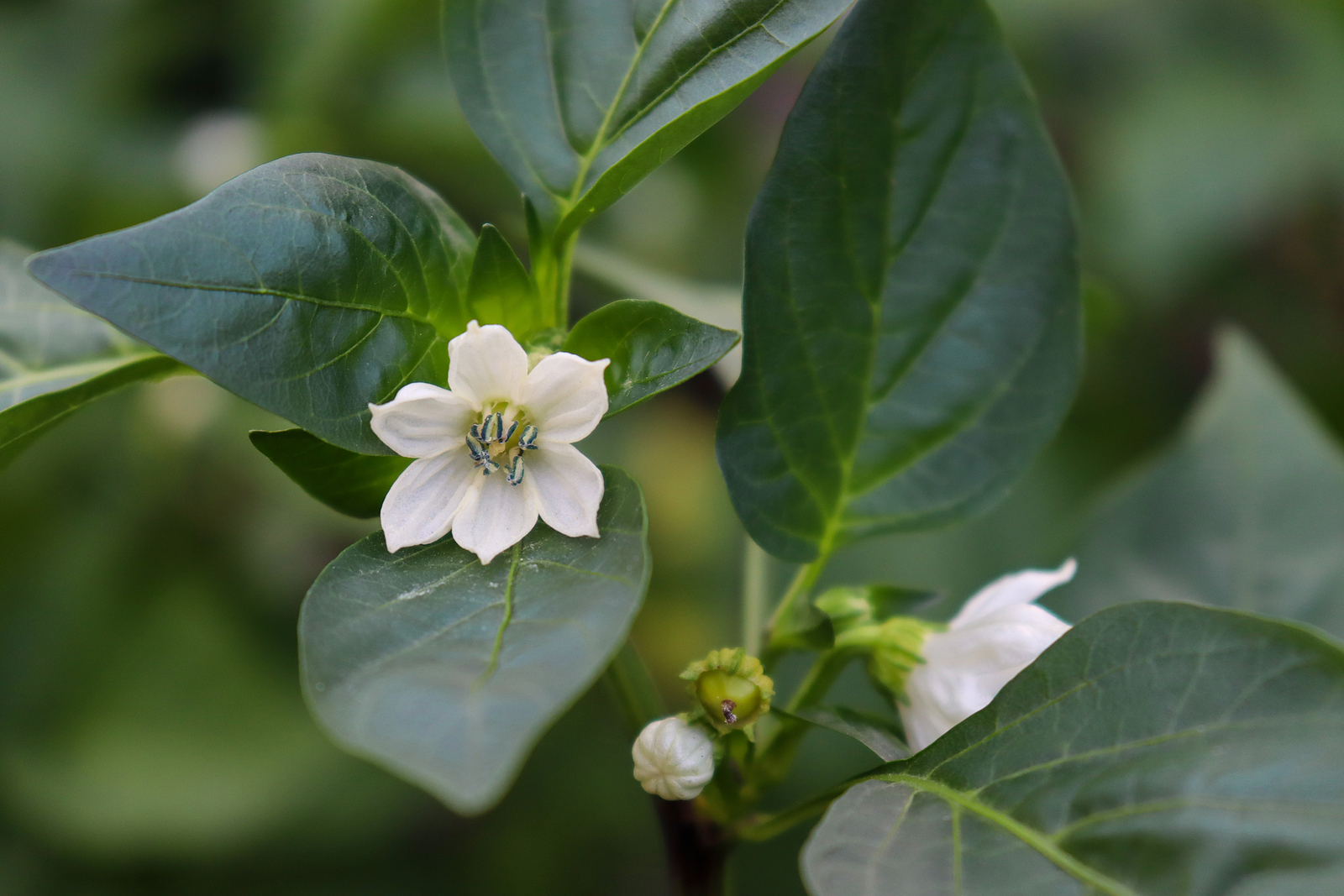
Blossom Drop During Heat Waves
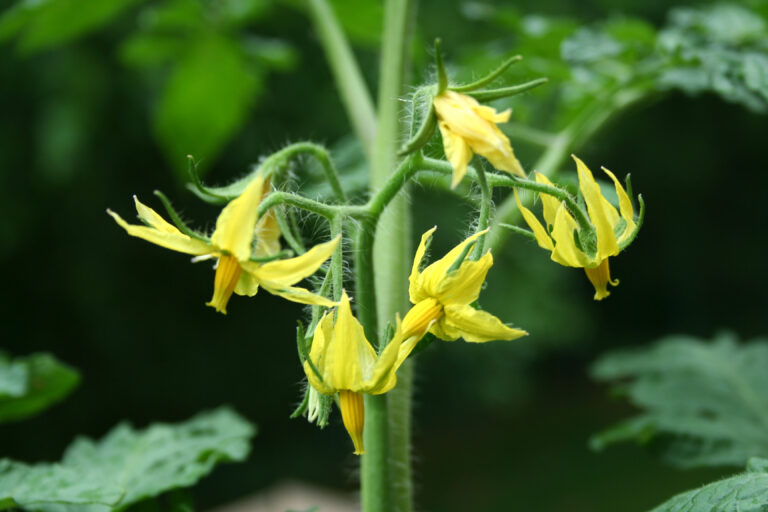
Sometimes pepper plants continue producing flowers, but the blossoms fall before fruit develops.
This is called blossom drop.
Common causes include:
- High temperatures
- Hot nights
- Drought stress
- Inconsistent watering
- Low humidity in some climates
- Excessive humidity in others
Without successful pollination, the flower naturally drops.
Water Stress Reduces Flowering
Heat and drought often occur together.
Dry soil places additional stress on pepper plants.
Symptoms include:
- Wilting
- Curling leaves
- Blossom drop
- Fewer flowers
- Small fruit
Water deeply whenever the top few inches of soil begin to dry.
Avoid frequent shallow watering, which encourages shallow roots.
Mulch Helps Keep Roots Cooler
Pepper roots perform best in evenly moist, moderately cool soil.
A 2- to 4-inch layer of organic mulch helps:
- Reduce soil temperature
- Conserve moisture
- Suppress weeds
- Moderate daily temperature swings
Good mulch materials include:
- Straw
- Compost
- Shredded leaves
- Grass clippings
In my home garden, mulching peppers before the hottest part of summer has consistently improved flowering during extended warm weather.
Too Much Nitrogen Can Delay Flowers
A pepper plant with lush green leaves but few blossoms may be receiving too much nitrogen.
Excess nitrogen encourages:
- Leaf growth
- Stem growth
- Delayed flowering
If plants appear healthy, avoid adding additional high-nitrogen fertilizer during midsummer.
Instead, use a balanced vegetable fertilizer or compost if feeding is needed.
Should You Prune Pepper Plants During Hot Weather?
Only lightly.
Remove:
- Yellow leaves
- Damaged foliage
- Diseased branches
Avoid heavy pruning.
The leaves shade developing peppers and protect fruit from sunscald.
Healthy foliage also helps plants recover after heat waves.
Should You Provide Afternoon Shade?
In regions with prolonged temperatures above 95°F (35°C), temporary shade can reduce heat stress.
Shade cloth that blocks 30% to 40% of sunlight may:
- Lower leaf temperatures
- Reduce blossom drop
- Improve flowering
- Prevent sunscald
Morning sun and afternoon shade often provide the best balance during extreme heat.
Don’t Give Up on Your Plants
One of the biggest mistakes gardeners make is pulling healthy pepper plants because they stop flowering in midsummer.
Most healthy plants begin producing new blossoms when:
- Daytime temperatures moderate.
- Nights cool.
- Soil moisture remains consistent.
Many gardeners enjoy their largest pepper harvests in late summer and early fall.
Growing Peppers in Different Climates
Growing peppers in Iowa, Massachusetts, and California taught me that every climate presents different challenges.
In Iowa, peppers usually flowered steadily because nights often cooled after hot days. Massachusetts provided a shorter growing season, but moderate summer temperatures supported good blossom production. In Northern California, extended heat waves frequently paused flowering until nighttime temperatures became cooler.
Despite these differences, healthy plants nearly always resumed blooming once environmental stress eased.
My Home Garden Experience
In my home garden, I’ve learned that peppers often require more patience than tomatoes.
There have been summers when plants appeared to stop producing entirely during weeks of intense heat. Yet after a few cooler nights, they suddenly filled with flowers again, followed by a heavy crop of peppers that lasted well into autumn.
Those experiences taught me not to overreact to temporary pauses in flowering. Instead, I focus on keeping the plants healthy with deep watering, mulch, and steady care until the weather changes.
Healthy pepper plants are remarkably resilient and often reward patient gardeners with an abundant late-season harvest.
Frequently Asked Questions
Why did my pepper plants stop flowering?
The most common cause is prolonged hot weather, especially when daytime temperatures exceed 90°F (32°C) and nights remain warm.
Will pepper plants flower again after a heat wave?
Yes. Healthy plants usually resume flowering once daytime and nighttime temperatures become more favorable.
Why are my pepper flowers falling off?
Blossom drop is commonly caused by heat stress, inconsistent watering, or poor pollination during extreme temperatures.
Should I fertilize peppers when they stop flowering?
Avoid heavy nitrogen fertilization. If feeding is needed, use compost or a balanced vegetable fertilizer.
Does hot weather affect pepper pollination?
Yes. High temperatures can reduce pollen viability and interfere with successful pollination.
Should I prune pepper plants during hot weather?
Only remove damaged or diseased foliage. Avoid heavy pruning because leaves protect fruit from heat and sunscald.
Will watering every day help peppers flower?
Not necessarily. Water deeply when needed, but avoid constantly wet soil. Consistent moisture is more important than frequent watering.
Should I use shade cloth for peppers?
In areas with prolonged temperatures above 95°F (35°C), light shade cloth can reduce heat stress and improve flowering.
The Bottom Line
Pepper plants often stop flowering during periods of extreme heat because they are protecting themselves, not because they have stopped growing.
By maintaining consistent soil moisture, mulching to cool the root zone, avoiding excessive nitrogen, and being patient until temperatures moderate, you can help plants recover and resume flowering.
After decades of growing peppers in my home garden across Iowa, Massachusetts, and Northern California, I’ve learned that midsummer pauses are often temporary. Healthy pepper plants frequently produce their biggest flush of flowers—and their heaviest harvests—after the hottest weather has passed.