Why Squash Plants Suddenly Collapse

One day your squash plants look healthy and vigorous. The next day, the leaves are limp, the stems have wilted, and the entire plant appears to be dying.
A sudden collapse is alarming, but it is not uncommon. Several problems can cause squash plants to wilt or die quickly, and identifying the cause is the first step toward saving the plant—or preventing the problem next season.
After decades of growing squash in my home gardens and market garden, and gardening in Iowa, eastern Massachusetts, and Northern California, I’ve seen squash plants collapse for several different reasons. In Iowa, squash vine borers were often the culprit. In California, prolonged heat and irregular watering sometimes caused severe wilting, while fungal diseases occasionally affected older plants. Learning to recognize the symptoms early can make the difference between saving a plant and losing the harvest.
The key is to determine whether the problem is caused by insects, disease, environmental stress, or the natural end of the plant’s life cycle.
Know What to Plant This Week
Every week I answer the gardener's most important question: what should I plant now? Get seasonal planting advice free — or go Pro for my full Soil Temperature Garden Report, with soil temperature, moisture, weather trends, and crop-by-crop recommendations.
The Most Common Cause: Squash Vine Borers
The most common reason healthy squash plants suddenly collapse is the squash vine borer.
The adult is a day-flying moth that lays eggs near the base of squash stems. After hatching, the larvae tunnel into the stem and feed inside.
As they feed, they destroy the plant’s ability to move water and nutrients.
Symptoms include:
- Sudden wilting during the day
- Leaves that fail to recover overnight
- One vine collapsing before the rest
- Small holes near the base of the stem
- Sawdust-like frass around entry holes
Eventually, the entire plant may collapse.
How to Check for Squash Vine Borers
Inspect the lower stem carefully.
Look for:
- Small entry holes
- Moist, sawdust-like frass
- Soft or hollow stems
If you carefully split the stem lengthwise, you may find a white larva with a brown head feeding inside.
In some cases, removing the larva and burying healthy portions of the vine under soil can allow the plant to develop new roots and recover.
Bacterial Wilt
Bacterial wilt can also cause sudden collapse.
This disease is spread by cucumber beetles.
Early symptoms include:
- Individual leaves wilting
- Entire vines collapsing
- Permanent wilting despite moist soil
A classic sign is sticky, thread-like sap when a cut stem is gently pulled apart.
Unfortunately, infected plants usually cannot be saved.
Removing affected plants helps reduce disease spread.
Root Rot
Poor drainage can damage squash roots.
Roots deprived of oxygen begin to decay.
Symptoms include:
- Yellow leaves
- Wilting despite wet soil
- Soft stems near the base
- Slow decline followed by collapse
Avoid overwatering and plant squash in well-drained soil.
Raised beds often improve drainage.
Heat Stress and Drought
Not every wilted squash plant is dying.
During very hot afternoons, squash leaves often wilt to reduce water loss.
Healthy plants usually recover after sunset or by early morning.
However, prolonged drought or repeated heat stress may cause:
- Permanent wilting
- Blossom drop
- Small fruit
- Reduced production
Check soil moisture before watering.
If the soil is dry several inches below the surface, water deeply.
Fusarium and Verticillium Wilts
Soilborne fungal diseases can block water movement inside the plant.
Symptoms include:
- Yellowing leaves
- Wilting on one side of the plant
- Gradual collapse
- Brown discoloration inside stems
These diseases remain in the soil for years.
Crop rotation and resistant varieties offer the best long-term management.
Stem Damage
Sometimes the cause is mechanical rather than biological.
Stems may be damaged by:
- Wind
- Pets
- Garden tools
- Heavy fruit
- Accidental stepping
A broken main stem can quickly stop water movement and cause sudden collapse.
Support vines carefully and avoid walking through planting areas.
Natural Aging
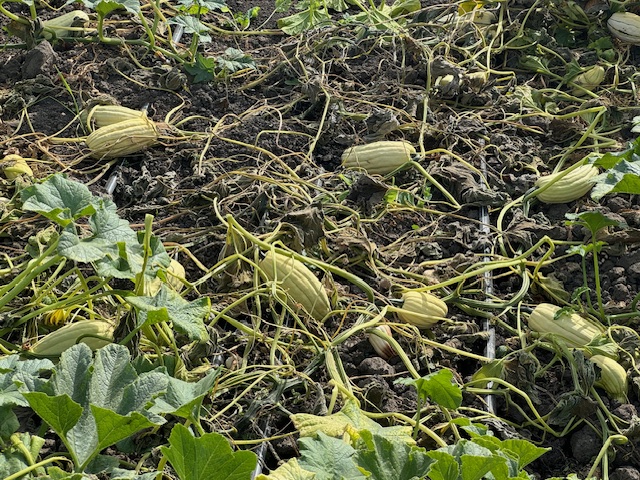
Late in the season, squash plants naturally begin to decline.
Older plants may show:
- Fewer flowers
- Yellow leaves
- Smaller harvests
- Gradual wilting
This is normal as the growing season comes to an end.
Distinguishing natural aging from insect or disease problems helps determine whether replacement is necessary.
Can a Collapsed Squash Plant Recover?
Recovery depends on the cause.
Plants stressed by:
- Temporary heat
- Short-term drought
- Minor stem injury
often recover with proper care.
Plants heavily damaged by:
- Squash vine borers
- Bacterial wilt
- Severe root rot
are much less likely to survive.
Early diagnosis greatly improves the chances of saving a plant.
How to Prevent Squash Plants From Collapsing
Several practices reduce the risk of sudden collapse.
- Rotate crops every year.
- Inspect stems weekly.
- Water deeply and consistently.
- Mulch to conserve soil moisture.
- Remove diseased plants promptly.
- Use floating row covers early in the season where vine borers are common.
- Encourage beneficial insects.
- Grow resistant varieties when available.
Healthy plants are better able to withstand stress and minor insect damage.
Growing Squash in Different Climates
Growing squash in Iowa, Massachusetts, and California taught me that different climates bring different challenges.
In Iowa, squash vine borers were the biggest threat and often appeared just as plants reached full production. In Massachusetts, cooler weather reduced heat stress, but diseases sometimes developed during humid periods. In Northern California, long dry summers made irrigation and mulch essential for preventing stress-related wilting.
Although the causes varied, healthy soil and careful observation consistently produced the strongest plants.
My Home Garden and Market Garden Experience
In both my home garden and market garden, I learned that squash plants rarely collapse without giving subtle warning signs first.
A little afternoon wilting was usually nothing to worry about if plants recovered by evening. But a vine that stayed wilted overnight deserved immediate attention.
Checking stems regularly for vine borer damage became part of my routine, especially in midsummer. Catching problems early sometimes meant saving the plant—and preserving weeks of harvests.
The most successful squash growers are not the ones who never lose a plant. They are the ones who recognize problems early and respond quickly.
Frequently Asked Questions
Why did my squash plant wilt overnight?
Sudden overnight wilting is often caused by squash vine borers, bacterial wilt, or severe root damage.
How do I know if squash vine borers are killing my plant?
Look for holes near the base of the stem, sawdust-like frass, and stems that become hollow or soft.
Can a wilted squash plant recover?
Yes, if heat stress or temporary drought is the cause. Plants damaged by vine borers or bacterial wilt are less likely to recover.
Why does my squash wilt during the day but recover at night?
Temporary afternoon wilting is common during hot weather and is usually a normal response to heat.
Should I remove a collapsed squash plant?
If the plant has bacterial wilt or severe vine borer damage, remove it to reduce future problems. Plants suffering from temporary stress may recover.
How can I prevent squash vine borers?
Use row covers early in the season, inspect stems regularly, rotate crops, and remove infested vines promptly.
Can overwatering cause squash plants to collapse?
Yes. Poor drainage can lead to root rot, which prevents roots from supplying water to the plant.
Will planting squash in a different location help?
Yes. Rotating squash to a new garden area each year helps reduce many soilborne diseases and insect problems.
The Bottom Line
A squash plant that suddenly collapses is sending an important signal. The cause may be an insect, disease, drought, poor drainage, or simply the natural end of the season.
By identifying the symptoms early and responding appropriately, you can often save stressed plants and reduce future losses.
After decades of growing squash in home gardens and market gardens, I’ve learned that careful observation is one of the most valuable gardening skills. A quick inspection of the stems, roots, and soil can often reveal the cause of the problem—and help ensure your next planting produces a healthier, longer-lasting harvest.