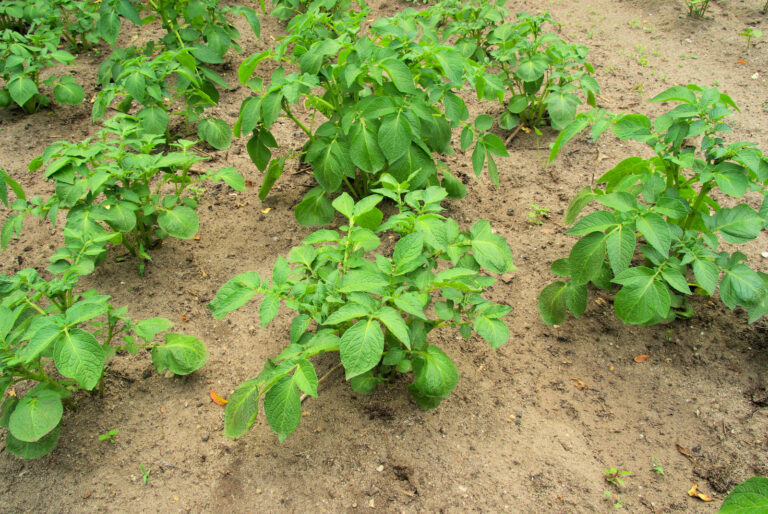
Where to Grow Parsnips: Sun, Soil, and Bed Requirements

Parsnips grow best in cool weather, but where you plant them plays an even bigger role in producing long, straight, flavorful roots. After decades of growing parsnips in Sonoma Valley—mostly in raised beds, mounded rows, and deep garden soil—I’ve learned that choosing the right site sets the entire crop up for success. Here’s how to select the ideal place in your garden for parsnips to thrive.
Parsnips Need Full Sun—but They Tolerate Some Shade
Parsnips grow best in full sun, meaning 6–8 hours of direct light each day.
Why full sun matters:
- Encourages strong top growth that supports long root development
- Helps soil warm gradually in early spring
- Produces sweeter, larger roots over the growing season
Partial shade (3–5 hours of sun) is acceptable in hotter climates. In Sonoma’s warm summers, I’ve grown excellent parsnips in beds that receive morning sun and afternoon shade. Too much shade, however, creates thin foliage and smaller, weaker roots.
The Best Soil for Parsnips: Deep, Loose, and Stone-Free
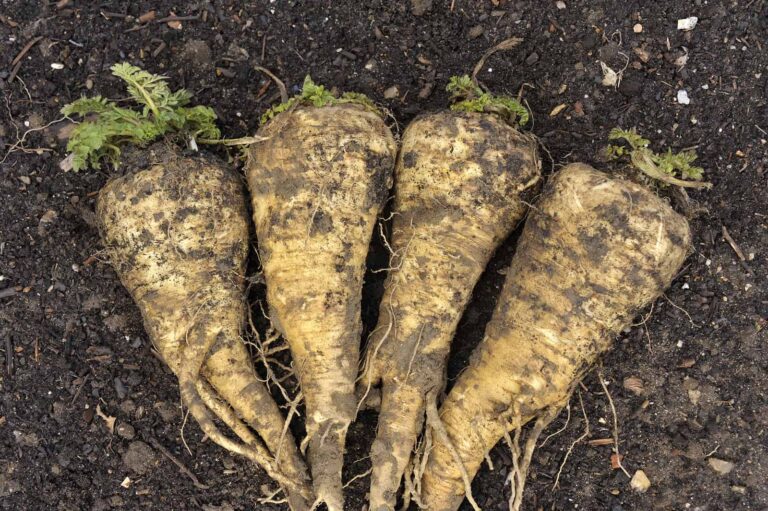
Parsnips are long taproot vegetables, and root shape depends heavily on soil structure.
Ideal soil conditions:
- Deep: at least 12–18 inches of loosened soil
- Loamy: not too sandy, not too clay-heavy
- Well-drained: never soggy
- Free of rocks, sticks, and compacted layers
From my experience:
The soil condition that matters most is looseness. Any time my soil had hardpan or clods, the roots forked. My best parsnips always come from raised beds filled with sandy loam or mounded rows that allow the roots to travel straight down.
Soil pH Requirements
Parsnips prefer slightly acidic to neutral soil.
- Optimal pH: 6.0–7.0
- Below 6.0: add garden lime
- Above 7.0: add compost or peat moss for gradual adjustment
In Sonoma, my soil naturally sits around pH 6.5, ideal for most root crops. When pH is in this range, the foliage grows evenly, and roots develop with better flavor.
Choose the Right Bed Type
Raised Beds
My top choice for parsnips. Raised beds offer:
- Deep, loose soil
- Excellent drainage
- Faster spring warming
- Fewer stones and soil clumps
In raised beds, parsnips are consistently straighter and more uniform.
Mounded Rows
Great alternative when native soil is heavy.
- Create 8–12 inch high mounds
- Mix in compost for looseness
- Shape the mound into a wide, flat-topped bed
This method has worked extremely well for me in years when my raised beds were full. Parsnips root more easily in a mound than in flat, compacted soil.
Traditional In-Ground Beds
Suitable if your soil is naturally loose and deep.
- Ensure no hardpan or clay layer within 12 inches
- Remove rocks thoroughly
- Break up clumps by hand, not with a tiller
I’ve had good in-ground parsnip crops only where my soil was sandy loam from the start.
Drainage Is Critical
Parsnip seeds are slow to germinate, and soggy soil increases rot risk.
- Avoid low spots or compacted areas.
- Do not grow parsnips in overly amended, waterlogged soils.
- If drainage is poor, elevate the growing area or switch to a raised bed.
Good drainage also improves winter harvest quality, preventing roots from turning mushy during the cold season.
Avoid Recently Manured Areas
Fresh manure causes excessive foliage growth and distorted roots. Parsnips grow best in beds enriched with aged compost, not raw manure.
In my garden, whenever a bed had been manured the previous season, my parsnips forked noticeably. Now I use only one-year-old or fully composted material.
Airflow and Spacing Around the Bed
While parsnips rarely suffer major disease, good airflow helps prevent foliar fungus and keeps moisture even.
- Avoid growing parsnips directly against fences or walls
- Leave at least 12–18 inches of open space around the bed
- Let breezes move through the foliage to reduce disease pressure
Final Thought
The ideal site for growing parsnips is a sunny, deep, loose, well-drained bed enriched with aged compost. Whether you choose a raised bed, mound, or traditional garden plot, preparing a stone-free, smooth soil environment will give you long, sweet, perfectly shaped roots every time.
Parsnip Learning Hub
Start here: How to Plant, Grow, and Harvest Parsnips: A Complete Guide
Planting & Timing
- When to Plant Parsnips: Best Soil Temperature & Seasonal Timing Explained
- How to Prepare Soil for Parsnips: Bed Prep, pH, and Amendments
- Parsnip Seed Germination Tips: How to Ensure Even, Fast Sprouting
Location & Setup
- Where to Grow Parsnips: Sun, Soil, and Garden Bed Requirements
- How to Grow Parsnips in Raised Beds
- Growing Parsnips in Containers: Soil Mix, Size, and Yield Expectations
Planting Techniques
- Parsnips Seed Starting Tips
- How to Plant Parsnip Seeds for Straight, Long Roots
- Parsnip Spacing Guide: Row Spacing, Thinning, and Root Development
Care & Maintenance
- How to Water Parsnips: Moisture Needs at Every Stage
- How to Feed Parsnips: Fertilizer Timing and Organic Amendments
- Parsnip Care Guide: Mulching, Weeding, and Protecting Roots
Companions & Intercropping
Pest & Diseases
Harvest & Kitchen
- How to Harvest and Store Parsnips
- How to Preserve Parsnips: Freezing, Drying, and Cellaring
- Five Ways to Cook and Serve Parsnips
Varieties