Where Rutabaga Grows Best: Soil, Sun, and Bed Preparation

Rutabaga is one of those crops that rewards good soil and site preparation more than almost anything else in the cool-season garden. After growing rutabaga for many years in Sonoma Valley’s mild fall and winter climate, I’ve learned that the right spot and soil structure determine whether you get large, sweet, dense roots—or small, woody, misshapen ones.
Below is exactly how I prepare my beds and choose planting locations for consistent, high-quality winter rutabagas.
Full Sun Produces the Biggest, Sweetest Roots
Rutabaga is a cool-season crop, but it still needs sunlight to build energy for root growth.
My rule of thumb:
Give rutabaga 6–8 hours of direct sun.
More is even better in fall and winter when days shorten.
In my garden, the beds that get full morning sun always produce the roundest, most flavorful roots. Rutabaga will survive in partial shade, but the roots stay smaller and leafier.
The Best Soil for Rutabaga
Rutabaga thrives in the same soil conditions that make carrots and beets happy: loose, moisture-retentive, and free from obstruction.
Ideal soil characteristics:
• Loose and deep: At least 10–12 inches of workable soil
• Well-drained but moisture-retentive
• Rich in organic matter, but not overloaded with nitrogen
• pH 6.2–7.0
Insights from my garden:
- Beds I’ve double-dug or loosened with a garden fork always produce better roots.
- Rutabaga grown in compacted soil tends to fork, twist, or stay undersized.
- Overly rich compost leads to leafy growth at the expense of root size.
I treat rutabaga like a root crop first: soil structure matters more than soil fertility.
How I Prepare Beds for Rutabaga (My Proven Method)
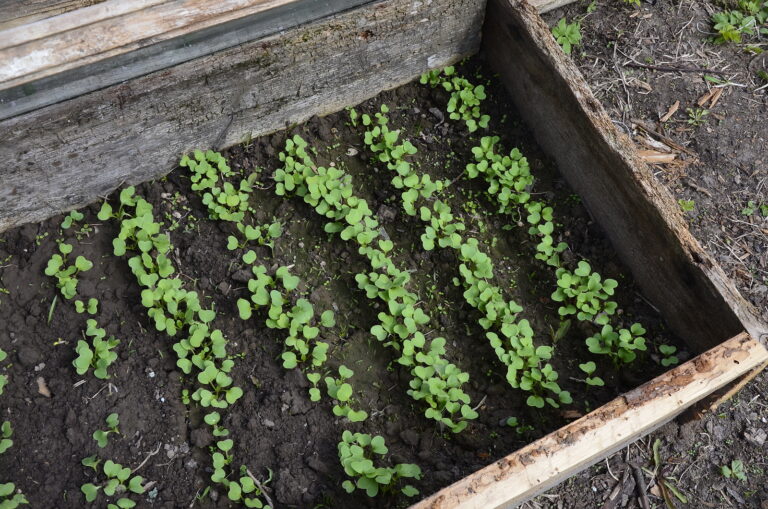
After years of trial and error in raised beds, mounded rows, and no-dig layouts, I now follow the same bed prep routine every season:
1. Loosen the soil deeply
I use a garden fork to loosen the soil to a full fork depth, lifting and cracking, not turning. Rutabaga roots need space to descend and swell.
2. Add moderate organic matter
I mix in one inch of compost—no more. Too much compost = too much top growth.
3. Add a small amount of balanced fertilizer
I use an organic 5-5-5 or similar, but only lightly. One light handful per square foot mixed into the top 4 inches is all rutabaga needs.
4. Rake the seedbed smooth
A fine, even texture helps with uniform germination and root development.
5. Water the bed before sowing
Pre-moistening the soil helps rutabaga germinate quickly in late-summer heat.
6. Mulch lightly after thinning
Mulch retains moisture and keeps the soil cool—critical for rutabagas maturing into fall.
Raised Beds vs. In-Ground: What Works Best?
In my experience:
Raised beds
Produce the most uniform roots because the soil stays loose, drains well, and warms slightly in fall.
In-ground beds
Work well if you’ve deeply loosened the soil and removed stones, roots, and lumps.
Mounded rows
A great compromise—elevated, airy, and excellent for winter drainage.
If I had to choose one, I’d grow rutabaga in raised beds every time.
Avoid These Three Common Mistakes
- Too much nitrogen: Leads to giant tops, tiny roots.
- Shallow soil: Produces stunted, lumpy rutabagas.
- Hardpan or compacted layers: Roots twist, split, or fork.
Rutabaga is forgiving in cool weather, but it’s demanding about soil.
Final Takeaway
The best rutabagas come from full sun, loose soil, and modest fertility. With thoughtful bed preparation—deep loosening, light compost, and a smooth seedbed—you’ll grow large, smooth, winter-sweet roots every season.
Rutabaga Learning Hub
Start here: How to Plant, Grow, and Harvest Rutabaga: A Complete Guide
Planting, Timing & Setup
- When to Plant Rutabaga for Fall and Winter Harvests
- Where Rutabaga Grows Best: Soil, Sun, and Bed Preparation
- Rutabaga Seed Starting Tips
- Rutabaga Spacing Guide: Row Layout, Thinning, and Root Development
- How to Grow Rutabaga in Raised Beds
- Growing Rutabaga in Containers: Pot Size, Soil Mix, and Yield Tips
Care, Water & Feeding
- How to Water and Feed Rutabaga at Every Growth Stage
- Rutabaga Care Guide: Mulching, Weeding, and Root Protection
Companions & Intercropping
- Best Companion Plants for Rutabaga (and What to Avoid)
- How to Interplant Rutabaga with Carrots, Turnips, and Brassicas
Pests, Diseases & Troubleshooting
- Rutabaga Pests and Diseases and How to Control Them Naturally
- Why Rutabaga Roots Turn Woody or Bitter—and How to Prevent It
Harvest, Storage & Kitchen
- How to Harvest and Store Rutabaga
- How to Preserve Rutabaga: Freezing, Fermenting, and Canning Options
- Seven Ways to Cook and Serve Rutabaga
Varieties & Background