When to Harvest Summer Vegetables Before Cold Weather Arrives

Know when to pick tomatoes, peppers, beans, squash, melons, and other warm-season crops as day and night temperatures fall—and how to prevent cold-damaged fruit from becoming inedible.
Summer vegetables have a temperature limit. Tomatoes may still be ripening, peppers may be setting new fruit, and eggplants, cucumbers, and squash may be producing heavily when autumn arrives. But as temperatures decline, the question changes from how to encourage a larger harvest to how to save the harvest already in the garden.
The important distinction is between the temperature a plant can survive and the temperature at which its fruit remains worth harvesting. A tomato plant may survive a chilly night that slows ripening, for example, while a frost can turn its fruit soft and watery. A cucumber can be damaged by chilling temperatures well above freezing, even though the plant has not been killed.
The safest approach is to harvest according to the crop, the temperature forecast, the maturity of the fruit, and how soon you expect to eat or store it. Do not wait for a killing frost to begin picking. By then, some of the best fruit may already have been lost.
Know What to Plant This Week
Every week I answer the gardener's most important question: what should I plant now? Get seasonal planting advice free — or go Pro for my full Soil Temperature Garden Report, with soil temperature, moisture, weather trends, and crop-by-crop recommendations.
The temperature guide: when to harvest
The temperatures below are harvest-planning thresholds, not precise biological cutoffs. A forecast of 50°F at night does not mean every crop must be picked immediately. It means the gardener should pay closer attention to crop maturity and quality. The urgency increases as temperatures fall, especially when several cold nights occur in succession.
A further distinction matters: air temperature, fruit temperature, and storage temperature are not the same thing. A brief cool night may not injure fruit, while prolonged chilling or a freeze can cause lasting damage. Research on postharvest handling identifies cucumbers, eggplants, peppers, snap beans, and several melons as susceptible to chilling injury above freezing.
Harvest Markers
60°F — Begin the final harvest plan
Cool nights; generally no immediate danger to intact fruit.
Tomatoes may ripen more slowly, and peppers and eggplants may stop setting fruit or ripen very slowly. Harvest mature cucumbers, summer squash, snap beans, and any other fruit at a usable size. Remove fruit that is unlikely to mature before the season ends.
50°F — Harvest ripe and nearly mature fruit
A useful warning point for chilling-sensitive crops.
Pick ripe tomatoes, usable peppers, eggplants, cucumbers, summer squash, and snap beans. Harvest mature melons and any ripe fruit that could be lost to a further decline in temperature. Store sensitive crops in suitable conditions rather than in a cold refrigerator.
45°F — Finish harvesting chilling-sensitive fruit
Do not leave valuable mature fruit exposed to repeated cold nights.
Prioritize cucumbers, eggplants, peppers, snap beans, and sensitive melons. Pick ripe tomatoes and fruit beginning to color. If the forecast calls for several nights in the 40s, harvest usable fruit rather than waiting for it to ripen fully on the plant. Some crops can tolerate brief exposure, so this is a precautionary threshold rather than a guarantee of damage.
40°F — Treat the remaining harvest as urgent
A particularly important threshold for tender summer crops.
Harvest all ripe and usable fruit from cucumbers, peppers, eggplants, squash, beans, and okra. Pick mature green tomatoes that are firm and have reached full size. Bring mature melons indoors. Check the forecast for frost, because a clear, calm night can produce colder temperatures at plant level than the general forecast suggests.
35°F — Harvest before frost reaches the garden
Frost is possible even if the reported air temperature remains above 32°F.
Harvest all usable warm-season fruit before the cold night. Pick mature green tomatoes, full-size peppers, remaining eggplants, beans, cucumbers, summer squash, and mature melons. Cure mature winter squash and pumpkins in a warm, dry place if possible, but do not leave them exposed to a forecast freeze.
30°F — Assume exposed tender crops are at serious risk
A hard freeze can destroy warm-season plants and damage or ruin their fruit.
Any harvestable tender produce should already have been picked. Fruit that freezes may become water-soaked, soft, translucent, or mushy after thawing. Do not assume frozen fruit will recover its texture or ripen normally indoors. Inspect questionable produce carefully and discard fruit that is badly damaged or decaying.
These thresholds are deliberately conservative. The University of California and other extension resources distinguish chilling injury from freezing injury: chilling can damage certain crops at temperatures above 32°F, while freezing can rupture tissue and cause more immediate breakdown.
Day temperatures versus night temperatures
For harvest decisions, the overnight low is usually the more useful early-warning signal, but it is not the only one. Daytime temperatures affect ripening, and several cool days combined with cool nights can slow maturation substantially.
- Daytime highs of 60°F or lower: Expect slow ripening and little new growth on many warm-season crops. Harvest fruit that has reached usable size.
- Nighttime lows near 60°F: Begin planning the final harvest, especially for tomatoes, peppers, and eggplants.
- Nighttime lows near 50°F: Prioritize ripe and nearly mature fruit; prolonged chilling can affect fruit quality.
- Nighttime lows near 45°F: Finish harvesting sensitive crops rather than leaving them outside for repeated cold exposure.
- Nighttime lows near 40°F: Make the final harvest a priority, particularly if the forecast is trending colder.
- A forecast of 35°F or lower: Prepare for possible frost and harvest tender produce before nightfall.
- A forecast near 30°F: Assume exposed warm-season crops may freeze unless effective protection is in place.
A forecast low is not a precise measure of fruit temperature. Frost pockets, raised beds, wind, cloud cover, and the position of fruit on the plant can all affect exposure.
The full list of warm-season vegetables and when to harvest them
Use the temperature guide above to decide when to make the final harvest. The following crop-by-crop list explains what to pick, what can ripen indoors, and what will not develop good eating quality once removed from the plant.
The 60°F, 50°F, and 45°F points are conservative planning cues, not universal harvest cutoffs. For every crop, maturity and frost risk still matter.
Tomatoes
- At 60°F nights: Leave healthy fruit on the vine if daytime weather is warm enough for ripening. Pick red tomatoes regularly.
- At 50°F nights: Pick ripe tomatoes and those beginning to turn color. Watch the forecast for a continued decline.
- At 45–40°F nights: Harvest fruit that is ripe, blushing, or mature green. Mature green tomatoes have reached full size and are beginning to show a lighter, whitish-green color. They can ripen indoors.
- Before frost: Pick all sound, mature fruit. Small, hard, immature green tomatoes are unlikely to ripen well.
Tomatoes are sensitive to prolonged chilling. Store ripe tomatoes at about 45–50°F for short periods, and mature green tomatoes at about 55–60°F. Avoid storing below 50°F for long periods, as it can impair flavor, ripening, and texture.
Sweet and hot peppers
- At 60°F nights: Harvest peppers that have reached usable size. Green bell peppers can be eaten before they turn red, yellow, or orange.
- At 50°F nights: Pick full-size peppers, especially those beginning to change color.
- At 45°F nights: Finish harvesting fruit that is ready to eat. Peppers are susceptible to chilling injury below about 45°F during storage.
- Before frost: Harvest all usable peppers. Some green peppers may change color indoors, but do not count on them developing the sweetness of fully vine-ripened fruit.
Peppers will not continue developing normally once picked. Their color may change after harvest, but color change is not proof that sweetness and flavor will fully develop.
Eggplant
- At 60°F nights: Harvest glossy, firm fruit at the usual eating size.
- At 50°F nights: Pick mature fruit rather than waiting for additional growth.
- At 45°F nights and below: Finish the harvest promptly. Eggplant is chilling-sensitive, and cold exposure can cause surface damage, darkened seeds, and decay.
- Before frost: Harvest all usable fruit. Eggplant will not ripen to good eating quality after picking.
Choose firm fruit with shiny skin. Dull, soft, or heavily seeded eggplants are generally past their best.
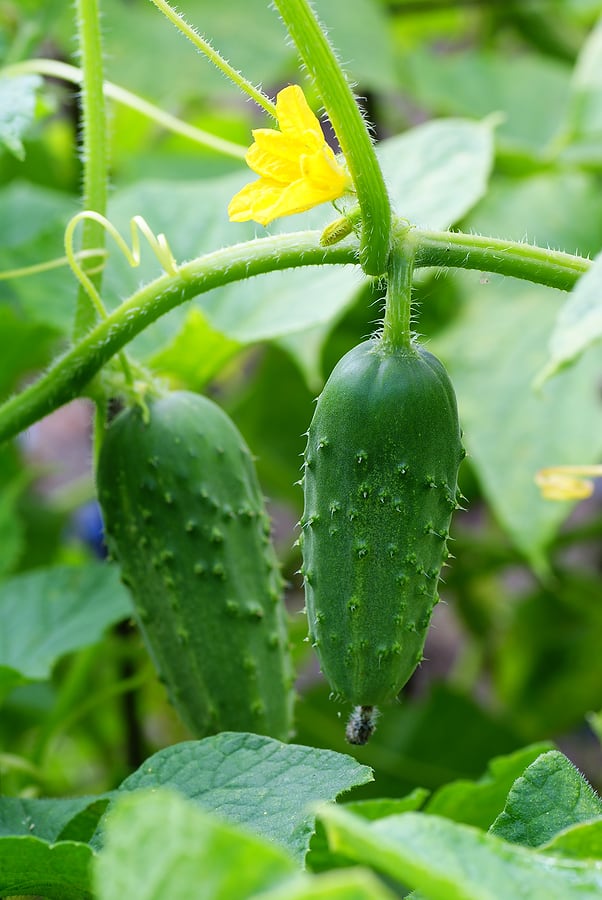
Cucumbers
- At 60°F nights: Harvest fruit at its normal size; do not leave oversized cucumbers on the vine.
- At 50°F nights: Pick all usable fruit, particularly mature cucumbers that are ready to eat or pickle.
- At 45°F nights: Finish harvesting. Cucumbers are sensitive to chilling injury, which can produce pitting, water-soaked patches, and tissue breakdown.
- Before frost: Remove all usable cucumbers. They do not ripen after harvest.
Don’t store cucumbers in a very cold refrigerator for long periods. Temperatures below approximately 45°F can cause chilling damage, especially with extended exposure.
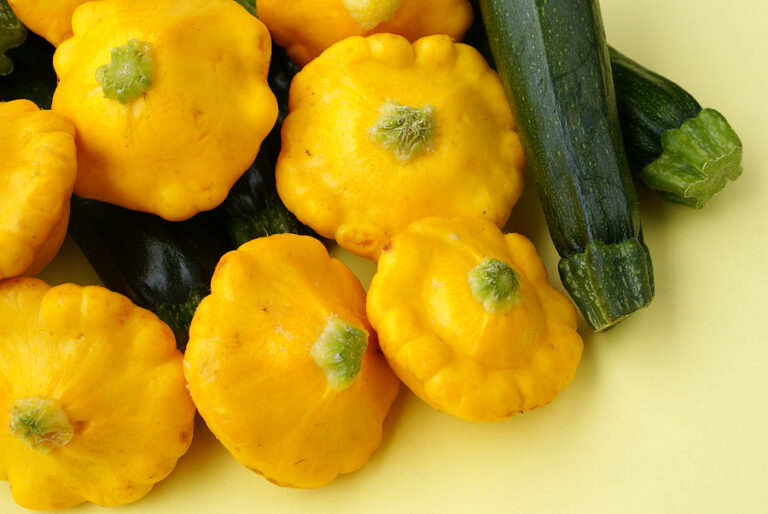
Summer squash: zucchini, yellow squash, pattypan
- At 60°F nights: Harvest frequently, while fruit is tender and seeds are small.
- At 50°F nights: Pick all fruit of usable size.
- At 45°F nights: Make a final picking if colder weather is expected to continue.
- Before frost: Harvest all usable squash. Small fruit can be eaten, but fruit picked immature will not develop further.
Summer squash is harvested immature by design. It does not need to be fully mature to be useful, so there is little reason to leave usable fruit exposed to worsening cold.
Winter squash and pumpkins
- At 60°F nights: Check maturity. Look for the characteristic rind color, a hard rind that resists a thumbnail, and a drying stem.
- At 50°F nights: Harvest mature squash if the weather is continuing to cool, particularly if a frost is forecast.
- At 45–40°F nights: Finish harvesting mature fruit and any usable immature fruit that you intend to cook soon.
- Before frost: Harvest before a freeze. Winter squash and pumpkins that freeze can develop internal breakdown and decay.
You can cure mature winter squash after harvest in warm, dry conditions appropriate for the variety. Immature squash will not become fully mature in storage, so use it first.
Melons: cantaloupe, muskmelon, honeydew, watermelon
- At 60°F nights: Harvest melons that show their normal maturity signs. Check cantaloupes for a characteristic aroma and, for slip-type varieties, easy separation from the stem.
- At 50°F nights: Pick ripe or nearly ripe melons if the forecast suggests a sustained cold spell.
- At 45–40°F nights: Harvest mature melons promptly, especially watermelon and honeydew, which generally do not develop full sweetness after picking.
- Before frost: Remove all mature melons. A freeze can destroy fruit that has not yet been harvested.
Cantaloupes vary by variety: some can continue ripening after harvest, especially fruit picked near the slip stage. Watermelon does not continue to ripen after harvest. A yellow ground spot and a dried tendril are useful watermelon maturity clues.
Snap beans and wax beans
- At 60°F nights: Pick pods while they are crisp and seeds are still small.
- At 50°F nights: Harvest pods that have reached eating size.
- At 45°F nights: Finish picking usable pods rather than leaving them through repeated chilling.
- Before frost: Harvest all pods intended for fresh eating or freezing.
Snap beans are eaten immature and do not ripen after picking. They are particularly perishable after harvest, so cool them promptly and use or preserve them soon. If you grow dry beans, the goal is different: allow pods to mature and dry, harvesting before pods split and lose seeds.
Lima beans
- At 60°F nights: Harvest pods that have filled out sufficiently for shelling.
- At 50°F nights: Pick usable pods as growth slows.
- At 45°F nights: Finish harvesting mature green pods if colder conditions are expected.
- Before frost: Harvest pods intended for fresh shelling. For dry beans, allow pods to mature and dry as long as conditions permit.
Lima beans are more sensitive to cold than many gardeners expect. Do not leave mature green pods exposed to frost in hopes that they will improve.
Sweet corn
- At 60°F nights: Harvest ears when silks have browned and kernels release milky juice when punctured.
- At 50°F nights: Harvest ears that have reached eating maturity; cold weather will slow development.
- At 45°F nights: Pick mature ears before a forecast freeze, especially if the kernels are already at the milk stage.
- Before frost: Harvest usable ears before the plants are killed.
Sweet corn does not need a temperature-triggered harvest if the ears are already ready. It needs a maturity-triggered harvest: kernels lose sweetness after picking, so eat, chill, or preserve them promptly.
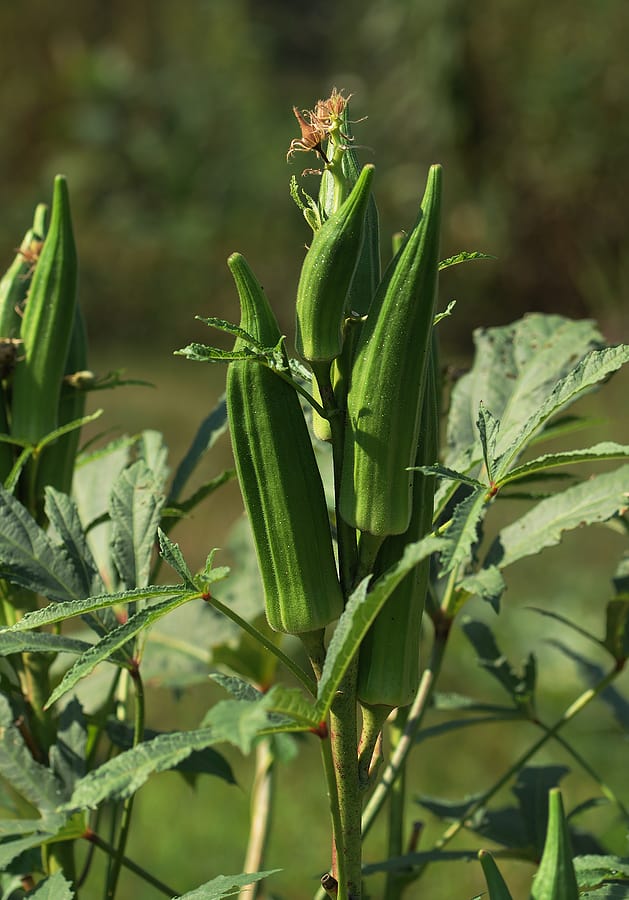
Okra
- At 60°F nights: Pick tender pods frequently, before they become fibrous.
- At 50°F nights: Harvest all tender pods that are ready to eat.
- At 45°F nights: Make a final picking if the forecast is cooling.
- Before frost: Harvest usable pods. Okra is a warm-season crop and will be killed by frost.
Okra pods become tough rapidly if left on the plant too long. Harvesting frequently is more important than waiting for a particular temperature.
Tomatillos
- At 60°F nights: Harvest fruit when the husks fill out and the fruit reaches the usual size.
- At 50°F nights: Pick full-size fruit, especially if the husks are beginning to dry.
- At 45–40°F nights: Harvest usable fruit before a further cold spell.
- Before frost: Remove all usable fruit from the plants.
Tomatillos can often be harvested mature but still green inside their husks. Sound, mature fruit can be kept briefly in its husk in a cool, dry place.
Sweet potatoes
Sweet potatoes need a separate rule because the edible crop is underground.
- At 60°F nights: Check the remaining growing season and prepare to harvest when tubers have reached useful size.
- At 50°F nights: If soil is cooling steadily, plan to harvest soon rather than waiting for a killing frost.
- At 45°F nights: Consider digging if the soil is becoming cold and further growth is unlikely.
- At 40°F or below: Prioritize harvest where soil temperatures are also falling. Do not leave tubers in cold, wet soil for an extended period.
- Before the soil freezes: Dig all remaining tubers. Frost may kill the vines, but the tubers can be damaged by cold soil and freezing.
Sweet potatoes are particularly susceptible to chilling injury after harvest if stored below about 55°F. Cure freshly dug tubers under warm, humid conditions before storing them properly.
Other warm-season crops
The same broad approach applies to these less commonly grown crops:
- Peanuts: Harvest when the plants and pods show maturity, before frost kills the foliage and interferes with digging.
- Cowpeas and black-eyed peas: Pick fresh pods at the desired stage, or allow dry beans to mature before harvest.
- Malabar spinach and New Zealand spinach: Harvest leaves before frost; these are heat-tolerant crops, not true warm-season fruit crops.
- Ground cherries: Gather mature fruit that has dropped or developed its characteristic ripe color before frost.
- Chayote: Harvest mature fruit before freezing weather; the vine is highly frost-sensitive.
- Bitter melon, luffa, and other tropical cucurbits: Harvest usable fruit before frost. Luffa intended as a sponge is an exception: it is left to mature and dry, if the climate allows.
- Sweet corn grown for dry grain or popcorn: Allow ears to dry on the stalk as long as possible, but protect the harvest from wet weather and severe damage.
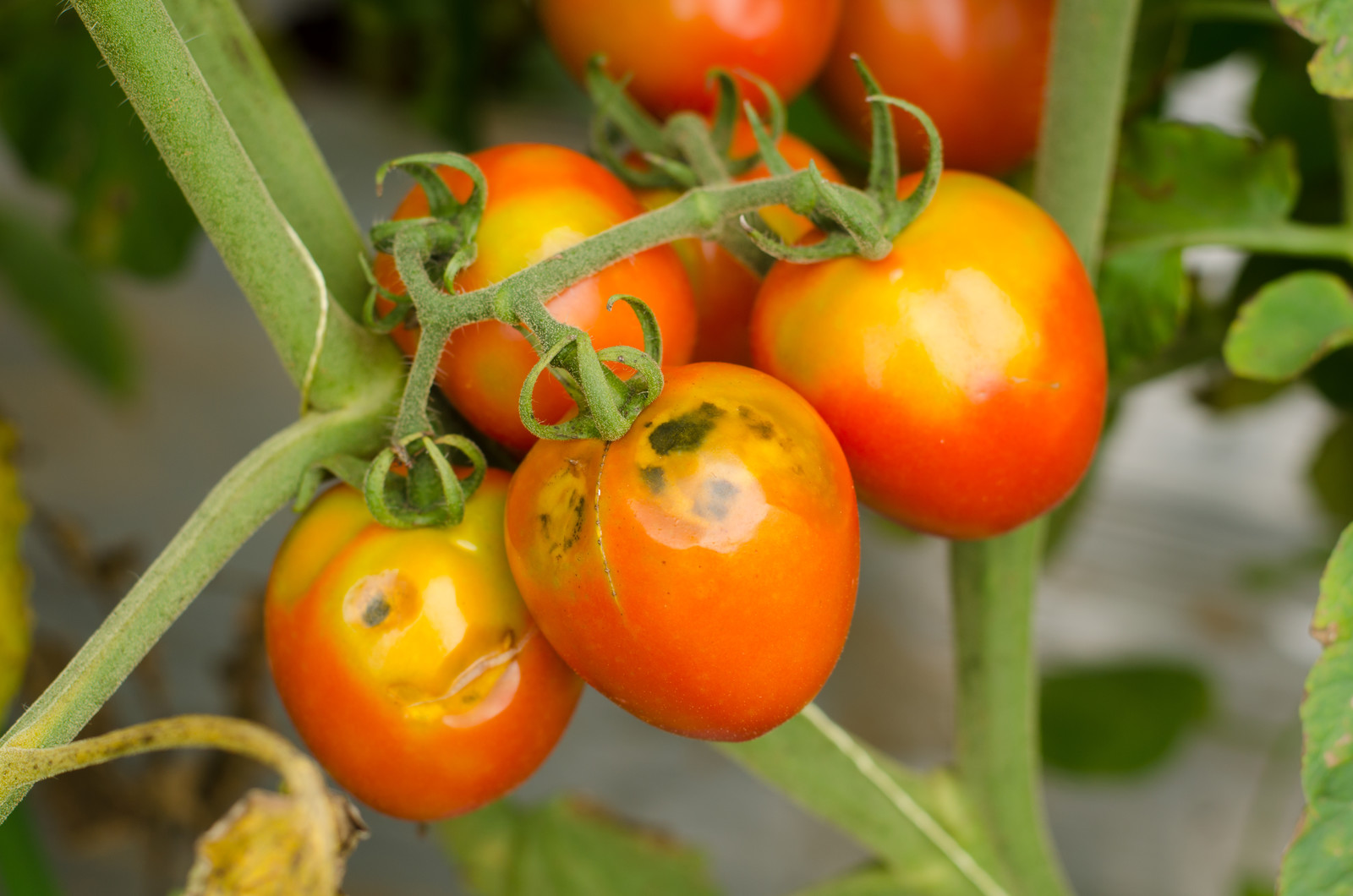
What makes fruit inedible after cold exposure?
Cold damage is not always obvious at harvest. Some symptoms appear only after the fruit warms up or sits in storage.
Fruit may look wet inside, become soft, or collapse after thawing. This is a common sign of freezing injury.
Cucumbers and peppers can develop surface pits after prolonged chilling above freezing. Decay may follow.
Eggplant and some other chilling-sensitive crops may show internal damage even when the outer skin initially looks acceptable.
Frozen or damaged winter squash and pumpkins may deteriorate rapidly. Keep sound fruit separate from damaged fruit and discard produce that is moldy, slimy, or rotting.
Chilling injury depends on the crop, the length of exposure, the fruit’s maturity, and subsequent storage conditions. Not every fruit exposed to a 45°F night will be damaged, and not every damaged fruit will show visible spoilage immediately.
How to handle the final harvest
- Harvest before sunset when a cold night is forecast. Do not wait until morning to discover that tender fruit has frozen.
- Sort immediately. Separate ripe fruit, mature fruit that can finish ripening indoors, immature fruit for immediate cooking, and damaged fruit.
- Keep tomatoes separate from crops that need colder storage. Mature green tomatoes generally ripen best at about 55–65°F, while ripe tomatoes tolerate somewhat cooler short-term storage.
- Do not refrigerate every vegetable. Cucumbers, eggplants, peppers, and many melons are sensitive to excessively cold storage.
- Use immature fruit first. Small squash, green peppers, and immature melons do not all ripen successfully indoors.
- Inspect stored produce regularly. Remove fruit that develops soft spots or decay before it affects neighboring produce.
The most important lesson is that harvesting should begin before the first frost is imminent. Tomatoes can be picked mature green and ripened indoors; peppers, eggplants, cucumbers, and summer squash should be harvested at usable maturity; and winter squash, pumpkins, and melons need particular attention to their individual signs of maturity.
The rule to remember
At 60°F nights, plan. At 50°F, begin picking ahead. At 45°F, finish harvesting sensitive crops. At 40°F, make the final harvest a priority. At 35°F, protect or remove all tender produce. At 30°F, assume exposed warm-season crops are in serious danger.
These are practical reminders, not rigid biological limits. Crop maturity, cold-exposure duration, and the plant’s actual temperature determine the outcome.