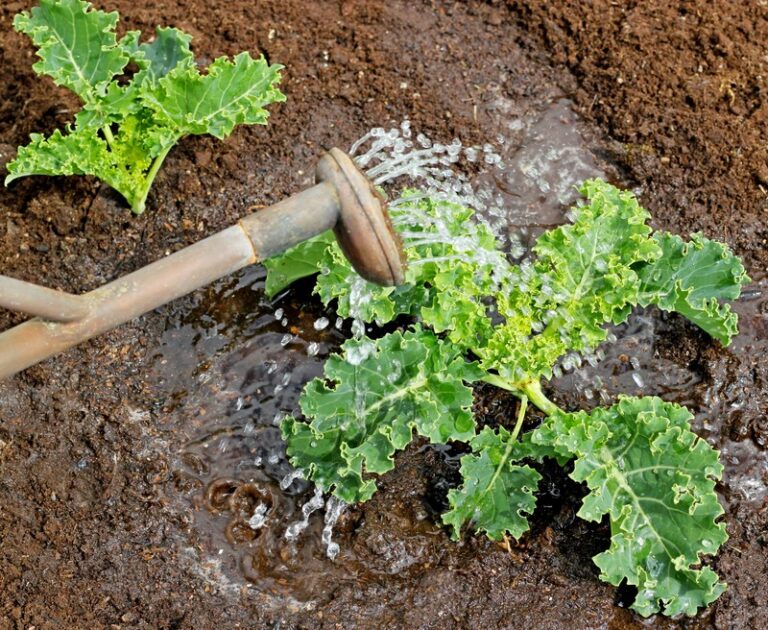
Water Management and Soil Health: Why Irrigation Strategy Matters

Water is essential for life, but in regenerative vegetable gardening, how we deliver water is just as important as how much we apply. Proper irrigation supports soil health, encourages microbial activity, maintains structure, and ensures plants thrive without wasting resources. By aligning watering strategies with soil and plant needs, gardeners can create resilient, productive beds that sustain life above and below ground.
The Connection Between Water and Soil Health
- Microbial Activity: Soil microbes need moisture to thrive; overwatering can create anaerobic conditions, while underwatering slows nutrient cycling.
- Soil Structure: Proper irrigation prevents compaction and crusting, maintaining pore space for roots and air.
- Nutrient Availability: Water dissolves nutrients, allowing roots to absorb them efficiently.
- Plant Stress: Inconsistent watering can weaken plants, making them more susceptible to pests and disease.
Irrigation Strategies for Regenerative Gardens
- Drip Irrigation: Delivers water directly to the root zone, minimizing evaporation and runoff.
- Soaker Hoses: Slow, deep watering that encourages strong root growth.
- Mulch: Retains moisture and reduces the frequency of watering.
- Timing: Water in the early morning or late afternoon to reduce evaporation and leaf disease.
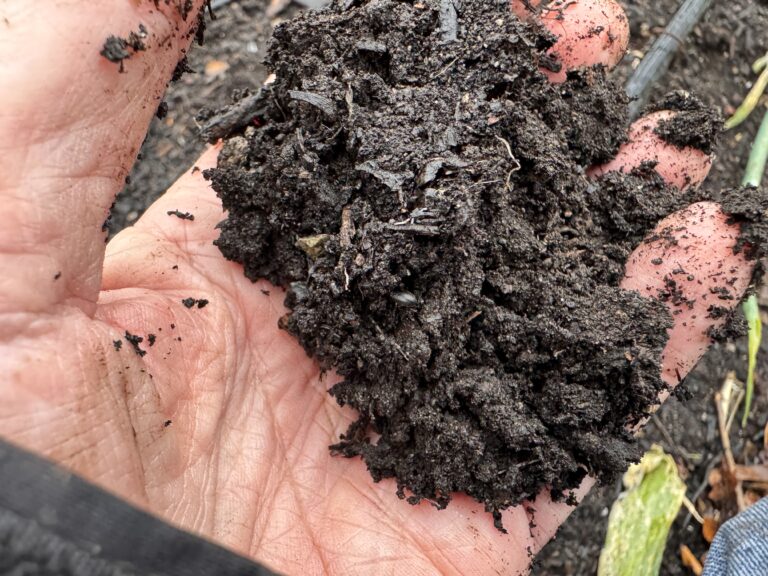
- Observe Soil Moisture: Use your hand or a moisture meter to avoid over- or under-watering.
My Experience
Over decades of gardening, I’ve seen how irrigation choices impact soil life. Beds watered deeply and infrequently develop stronger roots, more active earthworms, and resilient microbial networks. Conversely, shallow or excessive watering can compact soil, wash away nutrients, and reduce biological activity. Integrating drip irrigation with mulch and careful observation has been key to sustaining healthy, regenerative vegetable beds.
Practical Tips
- Adjust watering according to season, soil type, and plant needs.
- Avoid frequent, shallow watering that encourages weak root systems.
- Combine irrigation with organic matter and mulching to improve moisture retention.
- Monitor soil regularly to maintain optimal moisture for microbes and plants.
The Regenerative Takeaway
Water management is critical for building and maintaining healthy soil. Thoughtful irrigation strategies conserve water, protect soil structure, enhance microbial life, and support vigorous, productive vegetables—key principles of regenerative gardening that sustain soil fertility for the long term.