Vegetables That Thrive in Hot Weather

Hot weather doesn’t slow every vegetable down. In fact, some crops hit their stride when temperatures rise and the soil stays consistently warm. Understanding which vegetables naturally prefer heat—and how they behave in peak summer conditions—can turn the hottest part of the season into one of the most productive periods in the garden.
This is where experience in warm-climate gardening really matters. In Sonoma Valley, for example, summer heat can push soil temperatures into the upper 70s and 80s°F. Cool-season crops like lettuce and spinach quickly bolt or stall, but warm-season vegetables respond with rapid growth, flowering, and fruit set. The key is matching crop biology to seasonal reality rather than fighting it.
Warm-Season Vegetables Built for Heat
Some vegetables are essentially designed for hot weather. They evolved in tropical or subtropical climates and perform best when temperatures stay consistently warm both day and night.
Tomatoes
Tomatoes are one of the most reliable summer performers. Once soil temperatures stay above 60°F, growth accelerates quickly. In hot weather, they shift energy into flowering and fruit development. Indeterminate varieties continue producing all summer if watered consistently and supported properly.
Know What to Plant This Week
Every week I answer the gardener's most important question: what should I plant now? Get seasonal planting advice free — or go Pro for my full Soil Temperature Garden Report, with soil temperature, moisture, weather trends, and crop-by-crop recommendations.
Peppers
Both sweet and hot peppers thrive in warm conditions. They prefer daytime temperatures in the 80s°F and will produce steadily through heat waves. One important note from field experience: peppers set fruit best when plants are not overwatered and nitrogen is not excessive.
Eggplant
Eggplant is one of the most heat-loving vegetables in the home garden. In sustained heat, plants grow vigorously and produce glossy, high-quality fruit. They are especially well suited to raised beds and containers where soil warmth is consistent.
Okra
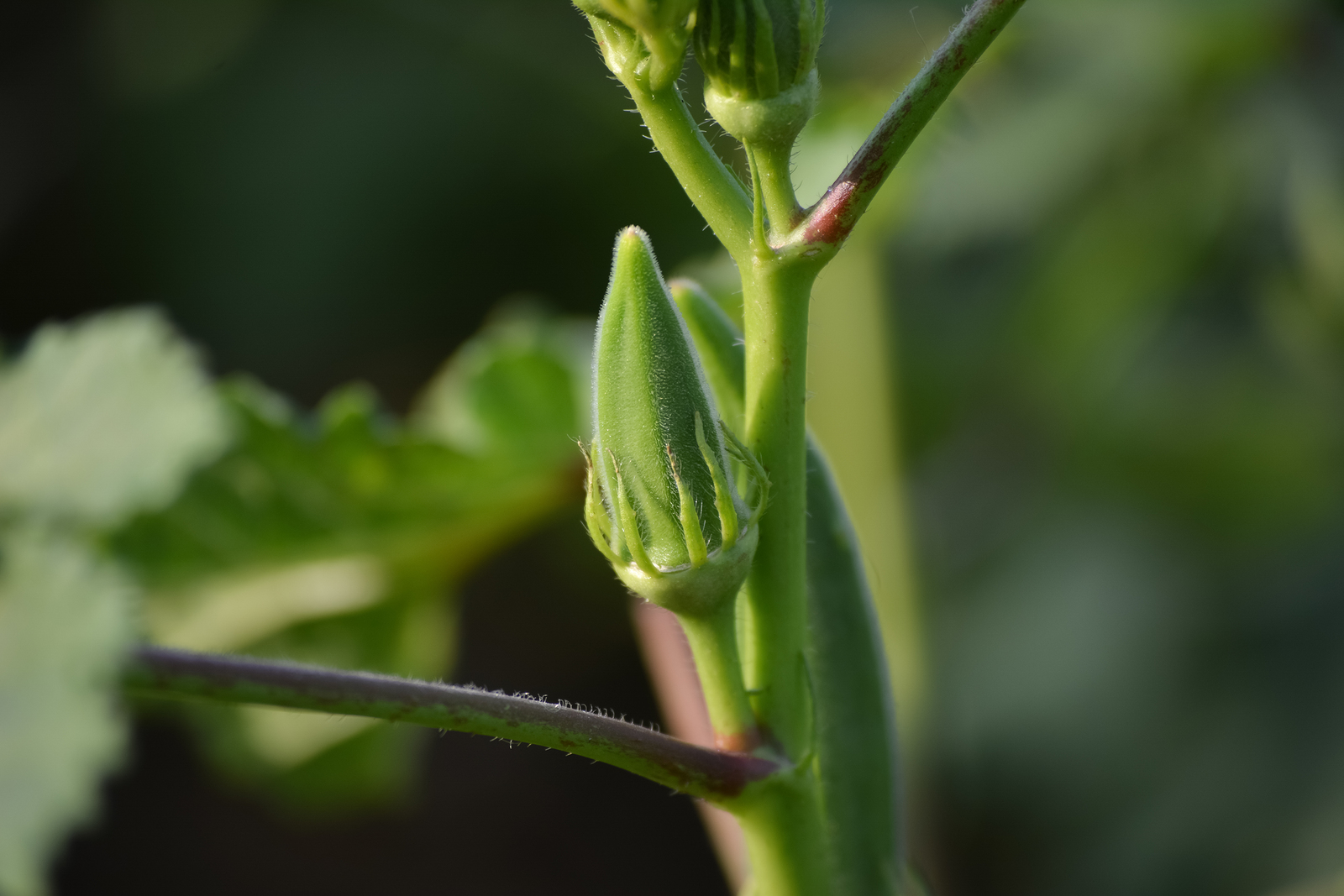
Okra is among the most heat-adapted vegetables you can grow. It thrives when many other crops struggle, especially once temperatures exceed 85°F. Pods form quickly in hot weather, and frequent harvesting keeps plants productive.
Southern Peas (Cowpeas)
Southern peas are drought-tolerant, heat-loving legumes that perform well in long, hot summers. They fix nitrogen while producing reliable yields even under dry, stressful conditions.
Other Vegetables That Handle Heat Well
Not all summer performers are strictly tropical crops. Some temperate vegetables adapt surprisingly well once established.
Cucumbers
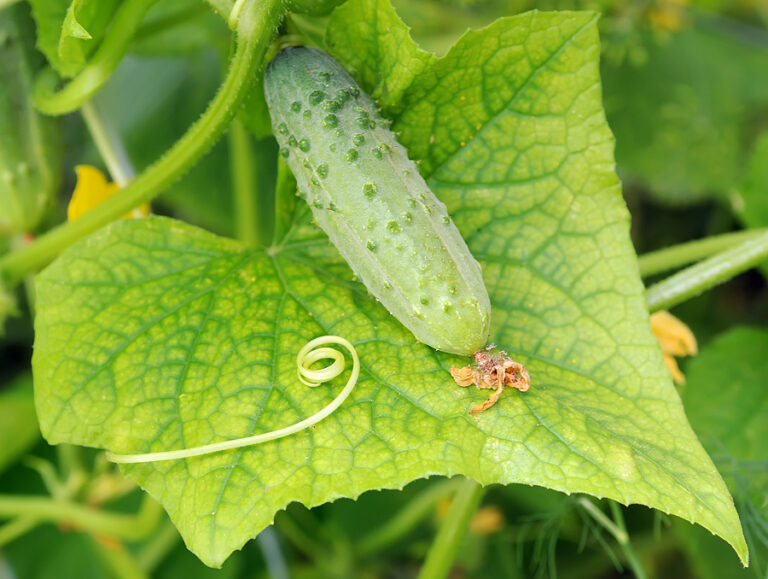
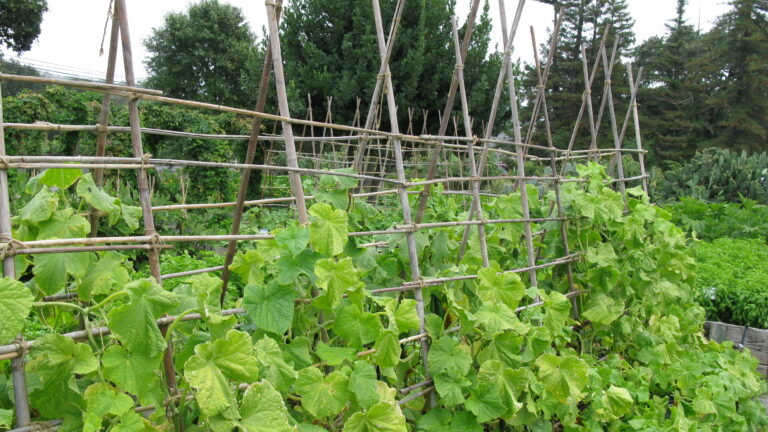
Cucumbers grow rapidly in warm soil and long daylight conditions. They need consistent moisture, but they respond to heat with fast vine growth and heavy fruiting.
Squash and Zucchini
Summer squash is a classic hot-weather crop. In warm conditions, growth can be almost explosive. The key is steady harvesting—fruit left on the plant quickly slows production.
Corn
Sweet corn requires warmth for pollination and ear development. Heat accelerates growth, but consistent irrigation is essential during tasseling and ear fill.
Beans
Bush and pole beans thrive in warm soil and full sun. Once temperatures stabilize, beans produce continuous flushes of pods throughout summer.
Managing Heat for Better Production
Even heat-loving vegetables have limits. The goal is not just survival—it’s sustained productivity.
From long-term garden observation, three factors consistently determine success:
- Soil moisture stability: Deep, consistent watering encourages strong root systems and steady fruiting.
- Mulch coverage: A thick organic mulch keeps root zones cooler and reduces water loss.
- Morning irrigation timing: Watering early in the day reduces stress and improves uptake efficiency.
When these conditions are met, warm-season crops don’t just tolerate heat—they thrive in it.
Common Mistakes in Hot-Weather Gardening
One of the most common errors is treating summer like spring. Cool-season habits often carry over into heat, leading to problems like shallow watering, over-fertilizing nitrogen-heavy crops, or overcrowding plants that need airflow.
Another issue is expecting uniform performance across all crops. Heat-loving vegetables will outperform others in midsummer, while cool-season crops should already be transitioning out of the main production space.
Final Thoughts
Hot weather is not a limitation in the vegetable garden—it’s a shift in crop selection and management. Once the garden is aligned with warm-season biology, productivity often increases dramatically.
Gardeners who learn to work with heat rather than against it consistently get the best midsummer harvests.