Vegetable Planting by Soil Temperature: What to Plant at 50°F, 60°F, and 70°F

Planting vegetables according to soil temperature is one of the simplest ways to improve germination, reduce transplant stress, and grow healthier crops. Many gardeners rely only on the calendar, but soil temperature tells you far more about what plants are actually ready to grow. Cool soil slows seed sprouting, weakens roots, and delays establishment, while warm soil encourages rapid germination and vigorous growth.
As spring progresses, the garden moves through predictable warming stages. Cool-season crops thrive in lower temperatures, while warm-season vegetables wait for true summer warmth before performing well. By matching crops to the soil conditions your garden is actually providing, you can avoid stalled seedlings, uneven stands, and unnecessary crop failures.
A simple soil thermometer inserted 2 to 4 inches deep into the planting zone can help you track these seasonal changes. Take readings in the morning for consistency and monitor warming trends over several days rather than relying on a single reading.
Why Soil Temperature Matters
Soil temperature affects nearly every stage of vegetable growth:
Know What to Plant This Week
Every week I answer the gardener's most important question: what should I plant now? Get seasonal planting advice free — or go Pro for my full Soil Temperature Garden Report, with soil temperature, moisture, weather trends, and crop-by-crop recommendations.
- seed germination
- root development
- nutrient uptake
- transplant recovery
- flowering and fruit production
- overall plant vigor
Warm-season crops such as tomatoes, peppers, beans, cucumbers, melons, and basil often struggle in cold soil even when daytime air temperatures feel pleasant. Meanwhile, cool-season crops like lettuce, spinach, carrots, and broccoli grow best before soil becomes too warm.
The guide below helps match crops to the temperatures where they perform best.
If Your Soil Approaches 70°F
At sustained 70°F soil temperatures, the garden fully enters summer production mode. Heat-loving crops germinate rapidly, root deeply, and begin vigorous top growth.
Direct Sow
- melons
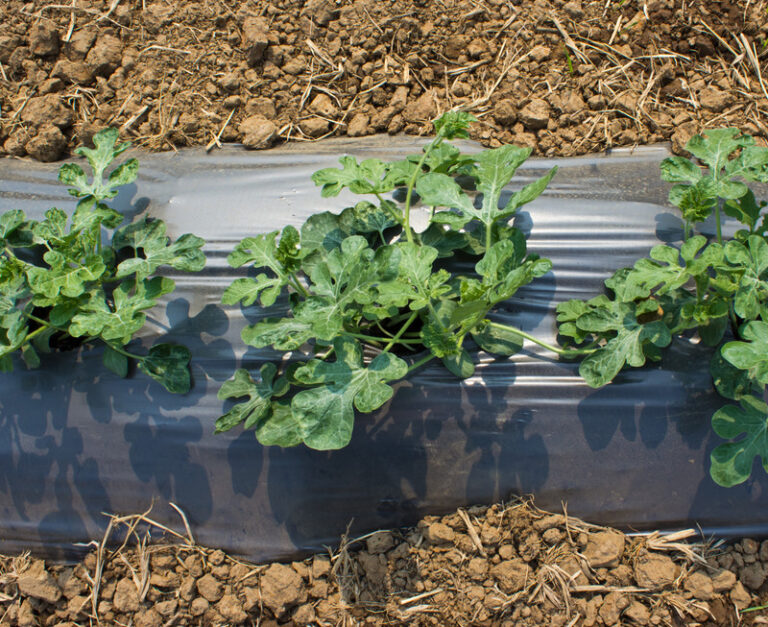
- watermelons
- okra
- yardlong beans
- Malabar spinach
- luffa
- roselle
These crops begin performing like true tropical or summer crops once soil reaches sustained 70°F warmth.
If Your Soil Is 65–70°F
(My Sonoma garden right now)
This is prime warm-season planting weather. Germination becomes rapid and transplant recovery improves dramatically as nights remain warmer.
Direct Sow
- bush beans — excellent germination and rapid establishment now
- pole beans — ideal conditions for quick climbing growth
- sweet corn — strong, even emergence in warm soil
- cucumbers — rapid germination and vigorous early growth
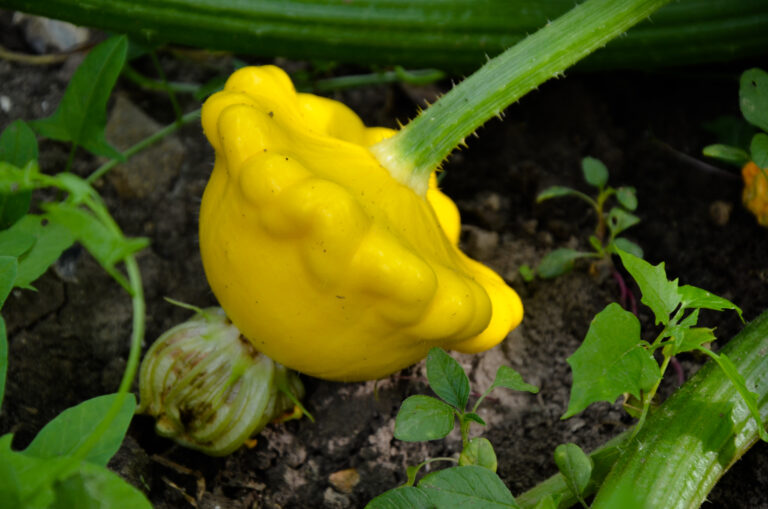
- zucchini and summer squash — fast establishment and early flowering
- basil — thrives once nights stay consistently above 50°F
- sunflowers — excellent warm-soil germination
- bunching onions — continue succession sowing
Transplant
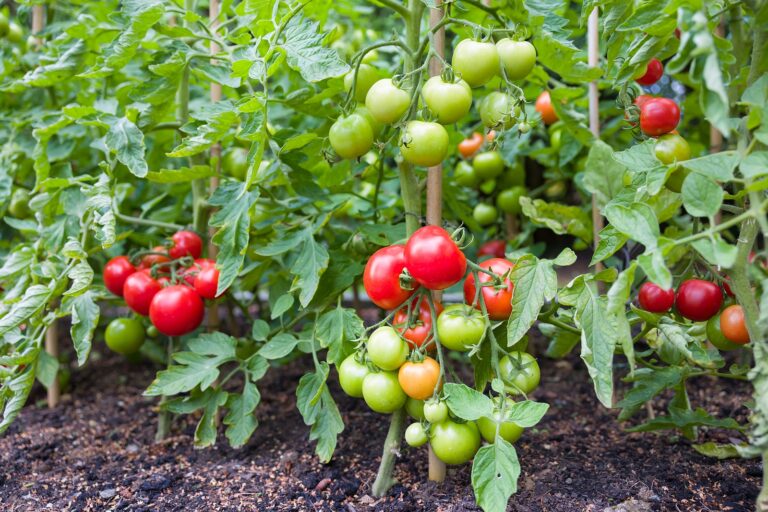
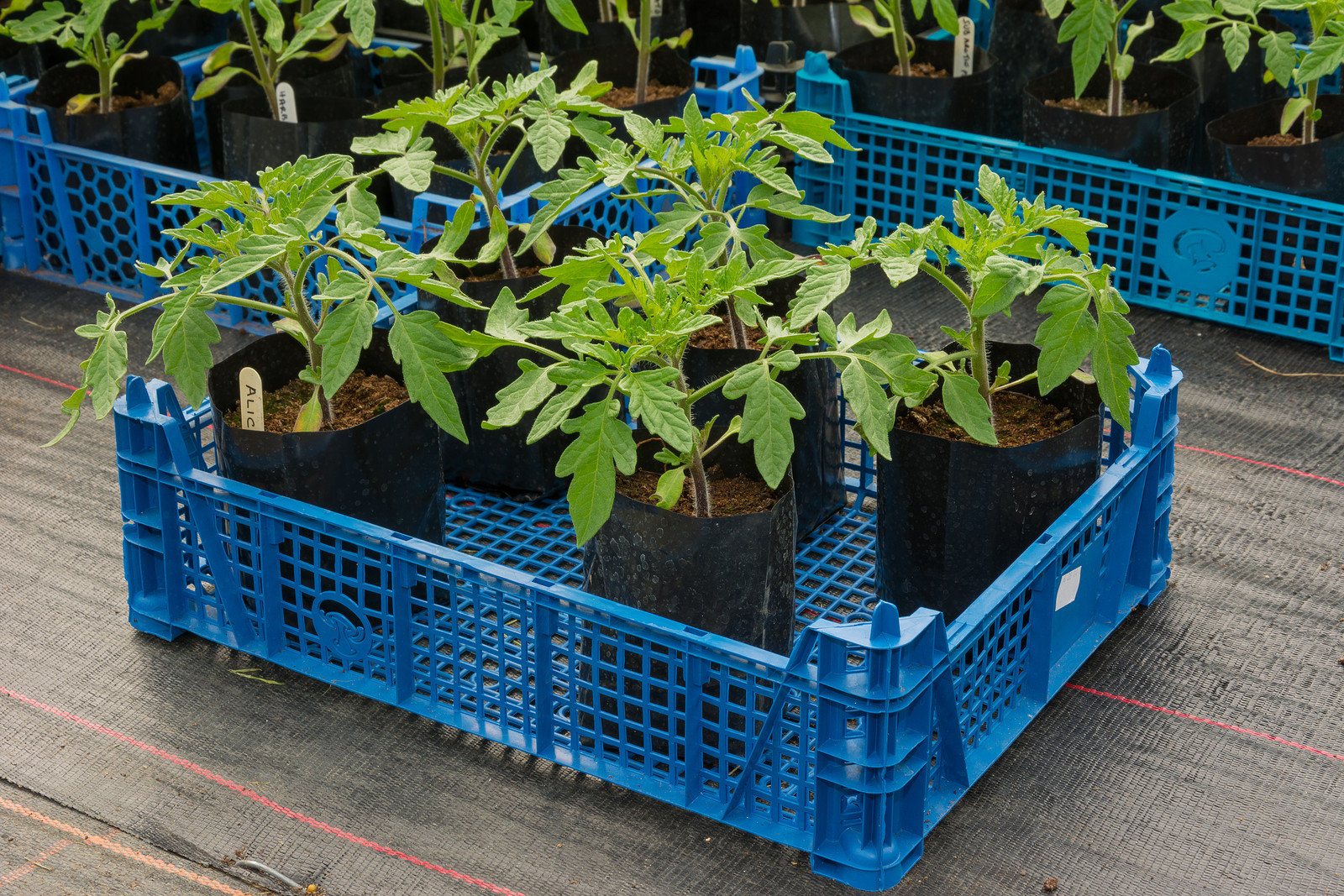
- tomatoes — entering aggressive growth phase now
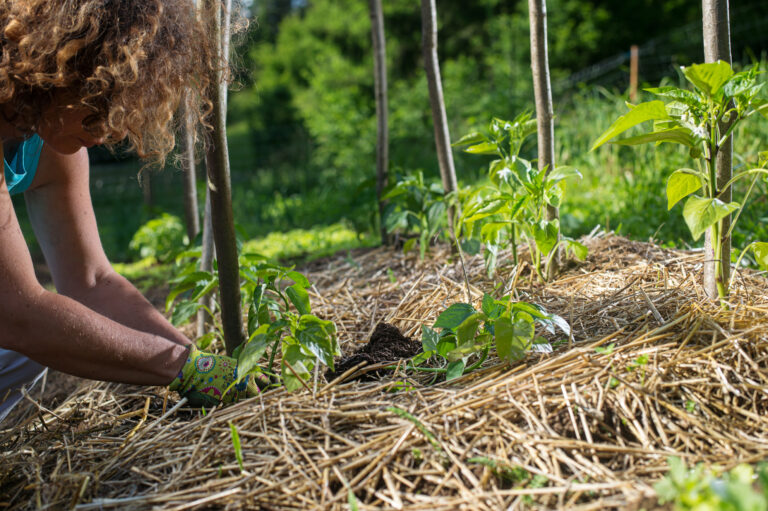
- peppers — finally establish reliably with warm nights
- eggplant — warm soil greatly reduces transplant stress
- tomatillos — rapid root and canopy growth now
- basil starts — establish immediately in warm beds
If Your Soil Is 60–65°F
This is the transition zone between spring and summer gardening. Many warm-season crops begin growing reliably once soil temperatures move beyond 60°F.
Direct Sow
- bush beans — reliable germination begins
- sweet corn — strong emergence in warming soil
- cucumbers — rapid germination once soil passes 62°F
- summer squash — vigorous emergence and fast growth
- basil — warm soil prevents stalling and yellowing
- sunflowers — strong warm-soil performance
- bunching onions — continue succession sowing
Transplant
- tomatoes — strong root establishment phase begins
- peppers — safer transplanting window in warm beds
- eggplant — reduced transplant shock as nights warm
- tomatillos — rapid establishment now
- basil starts — establish much faster in warm soil
If Your Soil Is 55–60°F
This is an important transition range where late cool-season crops still perform well while the first warm-season crops can cautiously begin.
Direct Sow
- potatoes — excellent early tuber-establishment range
- scallions — strong germination in moderate soil warmth
- bunching onions — reliable succession sowing window
- Swiss chard — accelerates as soil warms
- cilantro and dill — continue sowing before summer heat
- bush beans (protected or trial sowing) — early warm-season transition planting
- basil (protected sowing) — may establish slowly but improves with warm nights
Transplant
- broccoli and cabbage — final strong transplant window before heat stress
- celery — faster root growth begins now
- early tomatoes in protected warm beds — establish cautiously
- hardy herbs — parsley, oregano, thyme, and chives transplant well now
If Your Soil Is 50–55°F
Cool-season crops thrive in this range. Germination is steady, and leafy crops develop excellent flavor and texture.
Direct Sow
- carrots — reliable germination in cool soil
- beets — strong emergence and steady root development
- lettuce — excellent cool-weather growth
- spinach — fast germination and tender growth
- radishes — quick harvest crop for cool beds
- turnips — dependable cool-season root crop
- cilantro — prefers cool soil and mild weather
- dill — germinates well before summer heat arrives
- arugula — rapid growth in cool conditions
- Swiss chard — establishes steadily before heat arrives
Transplant
- broccoli — ideal cool establishment temperatures
- cabbage — develops strong early roots in cool soil
- cauliflower — prefers steady cool conditions early
- kale — vigorous cool-season growth
- celery — slow but steady establishment in warming soil
- leeks — excellent transplant window
My Experience Using Soil Temperature
After decades of gardening year-round in raised beds, mounded rows, and containers in Sonoma Valley, I’ve found that soil temperature predicts planting success more accurately than the calendar. Some years spring warms early; other years cool soil lingers long after warm afternoons arrive. Using a soil thermometer has helped me avoid planting warm-season crops too early, improve germination rates, and better time succession plantings throughout the season.
Final Thought
When gardeners begin paying attention to soil temperature, planting becomes much more predictable. Seeds emerge faster, transplants recover sooner, and crops grow with less stress. Instead of guessing based on dates alone, let the soil tell you when the garden is truly ready.