Fast-Growing Vegetables You Can Harvest in 30 to 60 Days

There’s nothing more encouraging in a vegetable garden than harvesting your first crop quickly. Fast-growing vegetables reward new gardeners with early success and help experienced gardeners keep beds productive all season long.
I’ve relied on quick-maturing crops for more than 30 years in my Sonoma Valley garden. They fill gaps between long-season vegetables, provide steady harvests for the kitchen, and make succession planting possible from spring through fall.
Many of these vegetables can be harvested in as little as 30 days, especially when grown in rich soil, consistent moisture, and warm weather. They are also excellent choices for raised beds, containers, and small-space gardens.
Why Grow Fast-Maturing Vegetables?
Fast-growing vegetables offer several advantages:
Know What to Plant This Week
Every week I answer the gardener's most important question: what should I plant now? Get seasonal planting advice free — or go Pro for my full Soil Temperature Garden Report, with soil temperature, moisture, weather trends, and crop-by-crop recommendations.
- Quick harvests for fresh eating
- Multiple plantings during one season
- Better use of garden space
- Fewer pest and disease problems
- Great crops for beginner gardeners
- Excellent choices for containers and raised beds
In my garden, I often plant quick crops between tomatoes, peppers, or corn while those larger plants are still maturing. By the time the larger crops need extra space, the quick vegetables are already harvested.
1. Radishes (20–35 Days)
Radish are among the fastest vegetables you can grow.
Why They Grow Fast
Radishes germinate quickly in cool soil and mature rapidly before summer heat arrives.
Best Conditions
- Full sun
- Loose soil free of rocks
- Consistent moisture
My Experience
I sow radishes every two weeks in spring and fall. Thin seedlings early to avoid crowded roots.
Best Fast Varieties
- Cherry Belle
- French Breakfast
- Easter Egg
2. Leaf Lettuce (30–45 Days)
Lettuce grows quickly and allows repeated harvests.
Why It’s Productive
You can harvest outer leaves while plants continue producing new growth.
Growing Tips
- Grow during cool weather
- Provide afternoon shade in warm climates
- Keep soil evenly moist
Best Types
- Black Seeded Simpson
- Red Sails
- Oakleaf
I harvest baby leaves at about 30 days and full heads later.
3. Arugula (25–40 Days)
Arugula is one of the easiest salad greens for rapid harvests.
Flavor and Growth
Arugula develops quickly and thrives in cool temperatures.
Growing Advice
- Sow directly outdoors
- Harvest young leaves for mild flavor
- Succession sow every 2 weeks
Warm weather makes leaves peppery and stronger tasting.
4. Spinach (35–50 Days)
Spinach performs best in cool spring and fall weather.
Key to Success
Rich soil and steady moisture produce tender leaves.
My Recommendation
Plant spinach early in spring before temperatures rise above 75°F.
Reliable Varieties
- Bloomsdale
- Space
- Tyee
5. Green Onions (50–60 Days)
Scallion are dependable quick crops for small spaces.
Why I Like Them
They require very little room and fit easily between slower-growing vegetables.
Growing Notes
- Sow thickly in rows
- Harvest young for mild flavor
- Excellent for containers
6. Baby Carrots (50–60 Days)
Carrot harvested young mature much faster than full-sized roots.
Best Conditions
- Deep loose soil
- Even moisture
- Thin seedlings early
Fast Varieties
- Little Finger
- Adelaide
- Romeo
In raised beds, carrots mature faster and straighter than in compacted ground.
7. Bush Beans (50–60 Days)
Green bean are warm-season vegetables that produce quickly.
Why They’re Valuable
Bush beans produce heavily over a short period and improve soil by fixing nitrogen.
Growing Tips
- Wait for warm soil
- Avoid overfertilizing
- Harvest often to encourage production
Favorite Varieties
- Provider
- Contender
- Blue Lake Bush
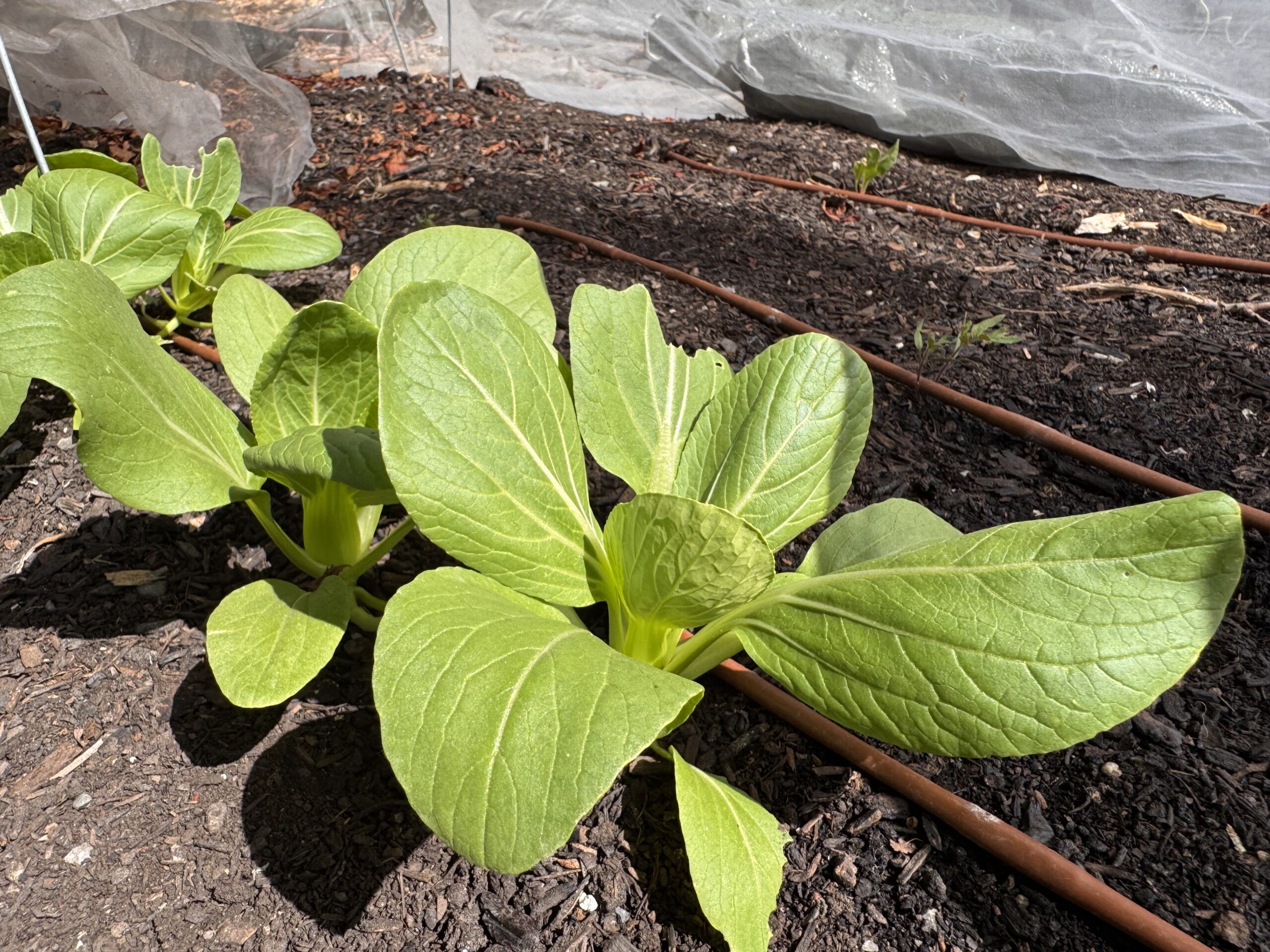
8. Baby Bok Choy (30–45 Days)
Bok choy is one of the fastest Asian greens.
Best Growing Season
Cool weather produces the sweetest leaves.
Important Tip
Protect young plants from flea beetles with lightweight row covers.
9. Mustard Greens (30–45 Days)
Mustard greens grow rapidly and tolerate cool temperatures.
Why Gardeners Love Them
They are productive, nutritious, and easy to grow from seed.
Harvest Advice
Pick leaves young for milder flavor.
10. Baby Turnips (40–55 Days)
Turnip mature quickly and provide both roots and greens.
Best Use
Harvest roots at golf-ball size for sweetest flavor.
Fast Varieties
- Hakurei
- Tokyo Cross
- Purple Top White Globe
11. Swiss Chard (50–60 Days)
Swiss chard is highly productive and keeps growing after harvest.
Why It’s Worth Growing
Unlike lettuce or spinach, chard tolerates summer heat.
My Experience
I grow chard year-round in mild climates because plants continue producing for months.
12. Cucumbers for Baby Harvests (50–60 Days)
Cucumber can be harvested small for quicker production.
Best Fast Types
- Picklebush
- Spacemaster
- Bush Champion
Growing Tip
Warm soil speeds cucumber growth dramatically.
Soil Temperature Matters
The secret to fast harvests is planting when soil temperatures are right. Seeds planted into cold soil often sit for days or weeks before sprouting.
For fastest growth:
- Cool-season crops prefer 45–65°F soil
- Warm-season crops prefer 65–80°F soil
In my experience, gardeners often focus only on air temperature. But soil temperature determines how quickly seeds germinate and roots develop.
Fast-Growing Vegetables for Containers
These vegetables perform especially well in containers:
- Leaf lettuce
- Radishes
- Green onions
- Arugula
- Baby carrots
- Bush beans
Use high-quality potting mix and water consistently for rapid growth.
Succession Planting for Continuous Harvests
One of the best ways to maximize production is succession planting.
I sow:
- lettuce every 2 weeks,
- radishes every 10 days,
- and bush beans every 3 weeks
through much of the growing season.
This keeps fresh vegetables coming continuously instead of all at once.
Common Mistakes That Slow Growth
Overcrowding
Seedlings planted too closely compete for nutrients and water.
Poor Soil
Fast crops require fertile, loose soil rich in compost.
Inconsistent Watering
Uneven moisture causes bitter greens, cracked roots, and slow growth.
Planting at the Wrong Time
Cool-season crops struggle in heat; warm-season crops stall in cold soil.
Final Thoughts
Fast-growing vegetables make gardening rewarding quickly. They are ideal for beginners, small gardens, raised beds, and gardeners who want steady harvests throughout the season.
Even in a mature garden filled with tomatoes, peppers, and squash, I always leave room for quick crops. They keep the kitchen supplied, the soil productive, and the garden constantly moving from planting to harvest.