Vegetable Garden Spacing Guide: Why Proper Plant Spacing Produces Healthier and More Productive Crops

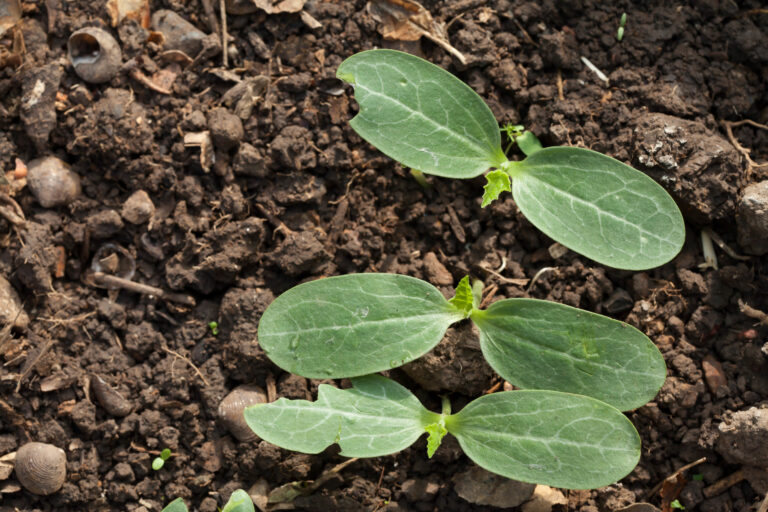
One of the most common vegetable gardening mistakes is planting crops too close together. Small seedlings rarely look crowded at planting time, especially in spring when beds still appear open and empty. But as soil temperatures rise and plants enter active growth, crowded beds quickly become difficult to manage.
Proper spacing is not wasted space.
Correct spacing allows sunlight, airflow, root expansion, and moisture movement to support healthy growth throughout the season. Well-spaced plants produce stronger roots, better yields, fewer diseases, and more reliable harvests.
After more than 30 years of gardening year-round in raised beds, wide rows, and containers, I’ve found that spacing problems often do not appear early in the season. They usually appear later—once summer warmth accelerates canopy growth and plants suddenly begin competing heavily for light, nutrients, and airflow.
Know What to Plant This Week
Every week I answer the gardener's most important question: what should I plant now? Get seasonal planting advice free — or go Pro for my full Soil Temperature Garden Report, with soil temperature, moisture, weather trends, and crop-by-crop recommendations.
As soil warms, plants often grow larger and faster than gardeners expect.
Why Proper Plant Spacing Matters
Correct spacing affects nearly every part of plant growth:
- airflow
- sunlight penetration
- root development
- nutrient access
- disease prevention
- watering efficiency
- pollinator access
- harvest quality
Crowded plants compete for resources. Leaves remain damp longer, airflow becomes restricted, and fungal diseases spread more easily. Root competition also increases water stress during hot weather.
Well-spaced crops stay healthier and remain productive longer.
The Hidden Problem With Overcrowding
Many gardeners try to maximize production by planting densely. While intensive planting can work when managed carefully, overcrowding often reduces yields instead of increasing them.
Overcrowded plants may produce:
- smaller fruits
- weaker root systems
- reduced airflow
- increased mildew and fungal disease
- poor pollination
- uneven ripening
- lower overall production
In warm summer weather, overcrowded beds can become humid, stressed environments where diseases spread rapidly.
Spacing and Soil Temperature
Plant spacing becomes even more important as soil temperatures rise.
In cool spring conditions, growth remains relatively compact and manageable. But once soil temperatures move into the 60–70°F range, warm-season crops often accelerate dramatically.
Tomatoes double in size quickly. Squash spreads aggressively. Cucumbers rapidly fill trellises. Basil bushes outward. Corn forms dense canopies.
Beds that looked perfectly spaced in spring can become overcrowded by midsummer if plants were placed too closely together.
That is why it’s usually best to space plants for their mature size from the beginning.
Cool-Season Crop Spacing
Cool-season vegetables generally tolerate somewhat tighter spacing because they grow more compactly and mature before peak summer heat.
Recommended Spacing
- lettuce → 8–10 inches apart
- spinach → 4–6 inches apart
- carrots → 2–3 inches apart
- beets → 4 inches apart
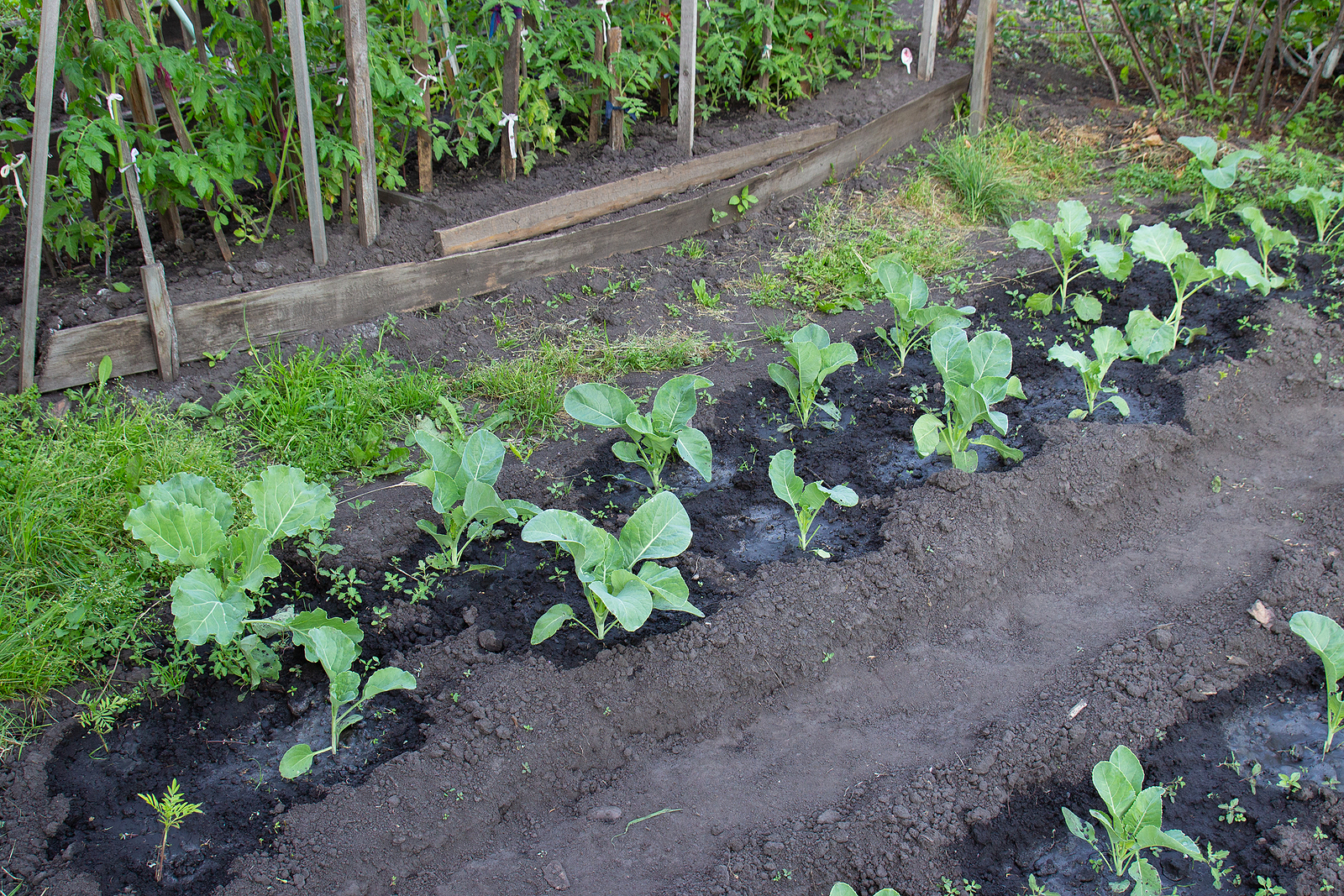
- broccoli → 18–24 inches apart
- cabbage → 18–24 inches apart
- cauliflower → 18–24 inches apart
- kale → 12–18 inches apart
- radishes → 2 inches apart
- scallions → 2–4 inches apart
Proper spacing helps cool-season crops maintain airflow during damp spring conditions.
Warm-Season Crop Spacing
Warm-season crops usually require wider spacing because growth accelerates rapidly once soil warms.
Recommended Spacing
- bush beans → 4 inches apart
- pole beans → 6 inches apart at trellis
- sweet corn → 10–12 inches apart
- cucumbers → 12 inches apart on a trellis
- zucchini and summer squash → 24–36 inches apart
- winter squash → 36–48 inches apart
- tomatoes → 24–36 inches apart
- peppers → 18 inches apart
- eggplant → 18–24 inches apart
- basil → 10–12 inches apart
- melons → 36 inches apart
- watermelons → 48 inches apart
Warm-season crops need room for canopy expansion, airflow, and root development during periods of rapid summer growth.
Airflow and Disease Prevention
One of the biggest advantages of proper spacing is improved airflow.
Good airflow helps:
- dry leaves faster after watering
- reduce fungal disease
- discourage powdery mildew
- improve pollination
- reduce pest pressure
Tomatoes, cucumbers, squash, peppers, and basil especially benefit from good air circulation during warm weather.
In my Sonoma Valley garden, crowded tomato beds almost always develop more disease pressure later in summer compared to properly spaced plants with strong airflow.
Root Competition and Watering
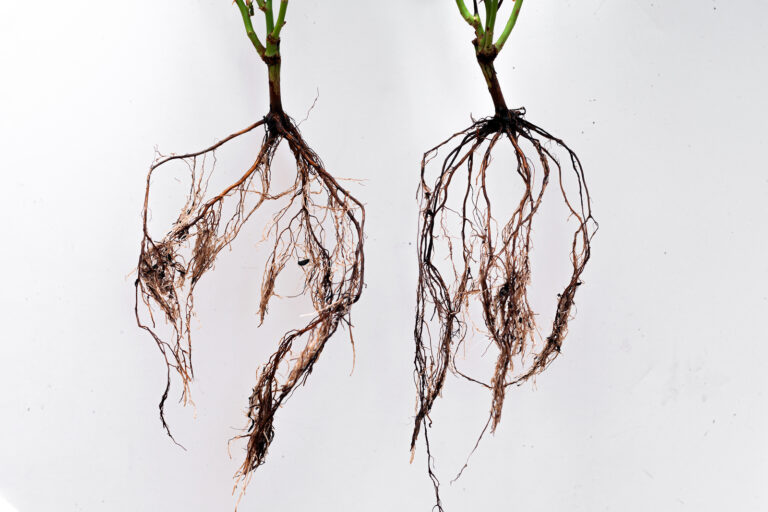
Plant roots compete below ground just as heavily as leaves compete above ground.
When plants are crowded:
- soil dries faster
- nutrients become depleted sooner
- watering becomes less efficient
- plants experience more heat stress
Proper spacing allows roots to expand evenly and access water more consistently during summer heat.
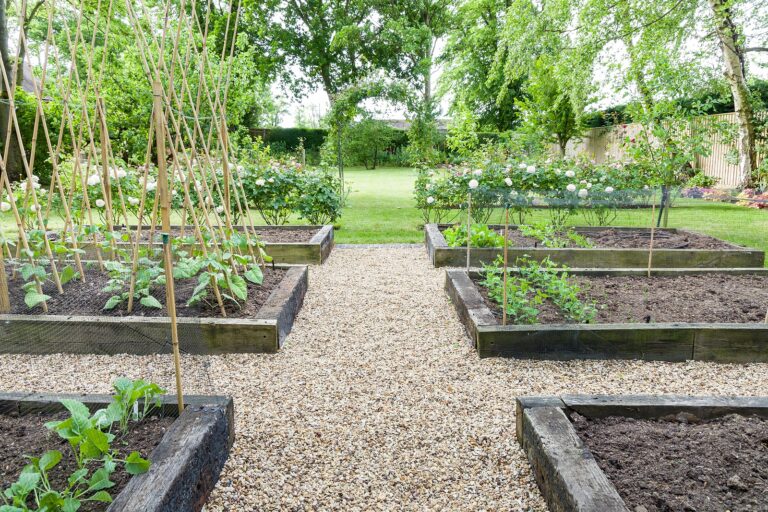
Spacing in Raised Beds
Raised beds often encourage closer spacing because soil quality is usually higher and plants grow vigorously. But even in raised beds, mature plant size still matters.
I use relatively intensive spacing in my wide-row raised beds, but I still allow enough room for:
- airflow
- harvesting access
- root expansion
- mature canopy size
A crowded raised bed may look productive early but often becomes difficult to maintain later in the season.
My Experience With Plant Spacing
Over decades of gardening, I’ve learned that most spacing mistakes happen because gardeners plant for spring size instead of summer size. Small seedlings create the illusion of empty space, encouraging tighter planting. But once soil temperatures rise and growth accelerates, plants quickly begin competing for light and airflow.
I now space crops according to their mature summer size rather than how they look at planting time. The result is healthier foliage, fewer disease problems, easier harvesting, and steadier production through the season.
General Rule
As soil temperatures rise, plants grow faster, larger, and more vigorously than expected. Giving them proper spacing at planting time prevents crowding, improves airflow, and sets the stage for higher yields later in the season.
Good spacing is not about growing fewer plants.
It is about giving each plant enough room to reach its full productive potential.