Proven Interplanting Combinations for a Productive Garden

Interplanting is the strategic practice of growing multiple crops together so they benefit one another. Using proven combinations can improve yields, reduce pests, maintain soil health, and make the most of every square foot of your garden. Timing is critical: some crops are planted together from the start, while others are added later when there’s space to fill.
1. Tomatoes
| Interplanted With | Why & Timing |
|---|---|
| Basil | Planted at the same time as tomato transplants; repels pests, improves flavor |
| Lettuce | Sow at tomato planting; quick harvest before tomato canopy closes |
| Radishes | Sow early; fast-maturing, harvested before tomatoes grow large |
| Scallions/onions | Transplant with tomatoes; deter pests and fill small spaces |
| Marigolds | Plant same day; pest deterrent, attracts beneficials |
2. Peppers
| Interplanted With | Why & Timing |
|---|---|
| Basil | Same day as peppers; attracts pollinators, improves growth |
| Lettuce | Early spring or summer; harvested quickly under pepper shade |
| Spinach | Early sow; benefits from partial shade |
| Carrots | Sow at pepper transplant; root depth difference prevents competition |
| Marigolds | Same time; pest deterrent |
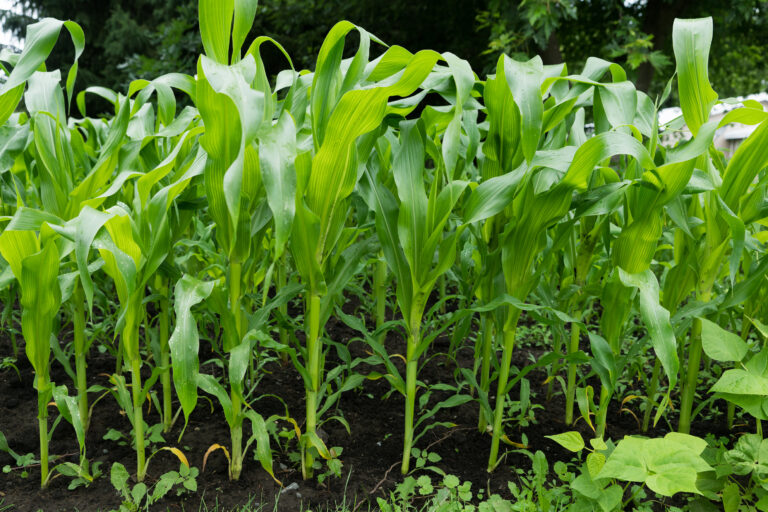
3. Corn
| Interplanted With | Why & Timing |
|---|---|
| Bush beans | Plant when corn 6–12 inches tall; beans fix nitrogen |
| Squash | Same day as corn; spreads on soil surface to suppress weeds |
| Nasturtiums | Sow alongside; trap crop for pests, attract pollinators |
| Sunflowers | Plant same day or earlier; provides structure for beans |
4. Cucumbers
| Interplanted With | Why & Timing |
|---|---|
| Dill | Sow at same time; attracts beneficial insects |
| Lettuce | Plant early; quick harvest before cucumbers spread |
| Nasturtiums | Same day; pest trap and pollinator attractor |
| Radishes | Sow with cucumbers; breaks crusty soil for cucumber roots |
5. Brassicas (Cabbage, Broccoli, Kale)
| Interplanted With | Why & Timing |
|---|---|
| Dill, fennel, cilantro | Sow at planting; attracts parasitic wasps to control cabbage worms |
| Radishes | Plant at same time; quick harvest, breaks soil crust |
| Spinach | Sow early; harvested before brassicas get too large |
| Nasturtiums | Same day; pest deterrent and attractive to pollinators |
6. Carrots
| Interplanted With | Why & Timing |
|---|---|
| Onions | Sow at same time; onions deter carrot flies |
| Lettuce | Plant early; harvested before carrots mature |
| Radishes | Sow at same time; harvested quickly, loosens soil |
| Parsley | Same day; shallow roots don’t compete |
7. Beets
| Interplanted With | Why & Timing |
|---|---|
| Lettuce | Early sow; quick harvest |
| Onions | Plant same day; pest deterrent |
| Bush beans | Sow at beet transplant; nitrogen-fixing support |
| Cabbage family | Same day; different root layers prevent competition |
8. Squash and Pumpkins
| Interplanted With | Why & Timing |
|---|---|
| Corn | Same day; classic “Three Sisters” combination |
| Beans | Sow with corn; fixes nitrogen |
| Radishes | Early sow; fast harvest before squash spreads |
| Nasturtiums | Same day; attract pollinators and deter pests |
9. Lettuce
| Interplanted With | Why & Timing |
|---|---|
| Tomatoes | Transplant with tomatoes; harvested before shade develops |
| Radishes | Sow at same time; quick-growing companion |
| Carrots | Early sow; different root depth |
| Spinach | Same day; compatible growth rates |
| Onions | Plant same day; repel pests |
10. Onions and Garlic
| Interplanted With | Why & Timing |
|---|---|
| Carrots | Sow at same time; roots do not compete |
| Beets | Plant same day; shallow roots complement deep roots |
| Lettuce | Early sow; harvested quickly |
| Brassicas | Same day; pest deterrent |
11. Herbs & Flowers (Beneficial Companions)
| Herb/Flower | Interplanted With | Reason |
|---|---|---|
| Basil | Tomatoes, peppers | Repels pests, improves flavor |
| Dill, fennel, cilantro | Brassicas | Attracts parasitoid wasps |
| Nasturtiums | Cucumbers, squash, tomatoes | Trap crop for pests, attracts pollinators |
| Marigolds | Most vegetables | Repels nematodes and certain pests |
| Alyssum | Tomatoes, peppers | Attracts hoverflies that eat aphids |
Tips for Success
- Plant fast growers early to fill gaps and harvest before taller crops dominate.
- Mix root depths: deep-rooted and shallow-rooted crops together reduce competition.
- Pair tall and short crops for microclimate benefits.
- Include pest-repelling or beneficial-attracting plants whenever possible.
- Harvest strategically: replace quick-growing crops immediately to maximize production.
Quick Reference: Proven Interplanting Combinations
| Primary Crop | Companion Crops | Timing / Notes |
|---|---|---|
| Tomatoes | Basil, Lettuce, Radishes, Scallions, Marigolds | Plant basil, scallions, marigolds at transplant; lettuce/radishes early, harvest before canopy closes |
| Peppers | Basil, Lettuce, Spinach, Carrots, Marigolds | Plant together at pepper transplant; greens harvested early |
| Corn | Bush beans, Squash, Nasturtiums, Sunflowers | Beans when corn 6–12” tall; squash same day; flowers same day |
| Cucumbers | Dill, Lettuce, Nasturtiums, Radishes | Sow cucumbers + dill/nasturtiums; plant lettuce early for quick harvest |
| Brassicas | Dill, Fennel, Cilantro, Radishes, Spinach, Nasturtiums | Sow herbs at transplant; radishes/spinach early; flowers same day |
| Carrots | Onions, Lettuce, Radishes, Parsley | Sow all together early; different root depths reduce competition |
| Beets | Lettuce, Onions, Bush Beans, Brassicas | Sow companions at beet planting; roots don’t compete |
| Squash/Pumpkins | Corn, Beans, Radishes, Nasturtiums | Plant together with corn/beans (Three Sisters); radishes early |
| Lettuce | Tomatoes, Radishes, Carrots, Spinach, Onions | Plant under taller crops or in gaps; harvest before shading |
| Onions/Garlic | Carrots, Beets, Lettuce, Brassicas | Sow at same time; pest deterrent and compatible roots |
| Herbs/Flowers | Basil → Tomatoes/Peppers, Dill/Fennel/Cilantro → Brassicas, Nasturtiums → Cucumbers/Squash/Tomatoes, Marigolds → Most vegetables, Alyssum → Tomatoes/Peppers | Plant at same time as primary crops; attract beneficial insects, deter pests |
Chart Key / Tips
- Fast-Growing Fillers: Radishes, lettuce, spinach — plant early; harvest before tall crops dominate.
- Tall + Short Pairing: Plant tall crops (tomatoes, corn, sunflowers) with shade-tolerant, short crops underneath.
- Root Depth Complement: Pair deep-rooted (tomatoes, carrots) with shallow-rooted (lettuce, herbs) to reduce competition.
- Beneficial Plant Additions: Flowers & herbs attract pollinators or deter pests — plant alongside main crops.
- Same-Day Replacement: Quick-growing crops can be replaced immediately when harvested (radishes → arugula, lettuce → bush beans, etc.)
My Experience
As a lifelong vegetable gardener and former UC Extension instructor, I’ve used interplanting for more than three decades to keep my California beds productive year-round. In my Sonoma Valley garden—where I grow in raised beds, mounded beds, and containers—I rely on interplanting to maximize space, protect the soil, and ensure steady harvests. These strategies come directly from my own practice as the chief vegetable garden volunteer at the Sonoma Garden Park, where I test combinations season after season to see what truly works for home gardeners.