Understanding Soil Temperature Phases: How the Vegetable Garden Changes as Soil Warms

Most gardeners watch air temperature and frost dates closely, but soil temperature often tells a far more accurate story about what is happening in the vegetable garden. Beneath the surface, warming soil controls seed germination, root activity, nutrient uptake, microbial life, watering needs, and the transition from cool-season crops into full summer production.
As soil temperatures rise through spring and summer, the garden moves through predictable biological phases. Each phase changes what crops grow best, how quickly plants establish, and how succession or relay planting should be managed.
After gardening year-round in Sonoma Valley for decades, I’ve found that understanding these soil temperature phases dramatically improves planting timing and overall garden productivity. Instead of reacting to the calendar, I let the soil tell me what phase the garden is entering.
A simple soil thermometer often becomes more valuable than the calendar itself.
Know What to Plant This Week
Every week I answer the gardener's most important question: what should I plant now? Get seasonal planting advice free — or go Pro for my full Soil Temperature Garden Report, with soil temperature, moisture, weather trends, and crop-by-crop recommendations.
Why Soil Temperature Matters
Soil temperature affects nearly every aspect of vegetable growth:
- seed germination
- root expansion
- nutrient availability
- transplant recovery
- microbial and earthworm activity
- moisture retention and evaporation
- flowering and fruit production
Cold soil slows nearly everything down. Warm soil accelerates biological activity throughout the garden.
The transition from 50°F soil to 70°F soil is not just a temperature change—it represents a complete seasonal shift in how the garden functions.
🌱 50–55°F → Cool-Season Establishment Phase
At this stage, the garden is still firmly in cool-season production.
Cool-weather crops germinate reliably, root crops establish steadily, and leafy greens produce tender growth. Soil biology is beginning to wake up after winter, but warm-season crops still struggle in these temperatures.
Best Activities During This Phase
- sow lettuce, spinach, radishes, carrots, and beets
- transplant broccoli, cabbage, kale, and cauliflower
- begin succession sowing cool-season greens
- prepare warm-season beds gradually
Garden Characteristics
- slow evaporation
- moderate root growth
- cool nights dominate growth speed
- warm-season crops remain vulnerable to stress
This phase builds the foundation for spring production.
🌿 55–60°F → Spring Expansion Phase
The garden begins accelerating noticeably.
Root activity increases, cool-season crops mature faster, and the first cautious warm-season planting becomes possible in protected spaces.
This is the transition zone where spring gardens often become highly productive.
Best Activities During This Phase
- continue root-crop succession sowing
- plant potatoes and scallions
- transplant hardy herbs
- begin trial sowings of beans in warm beds
- prepare trellises and summer irrigation systems
Garden Characteristics
- faster germination
- increasing microbial activity
- stronger transplant recovery
- overlap between cool-season and warm-season crops
This is often the busiest planning phase in the garden because seasonal transitions begin rapidly.
☀️ 60–65°F → Early Warm-Season Phase
Warm-season gardening truly begins once soil temperatures consistently pass 60°F.
Beans, cucumbers, squash, sweet corn, and basil now germinate reliably. Tomatoes establish stronger root systems and begin accelerating vegetative growth.
Best Activities During This Phase
- direct sow beans, cucumbers, squash, and corn
- transplant tomatoes and peppers
- begin summer succession planting
- shift irrigation toward deeper watering patterns
Garden Characteristics
- rapid germination
- stronger nutrient uptake
- aggressive root establishment
- increasing canopy growth
At this stage, garden momentum increases quickly.
🌿 65–70°F → Summer Expansion Phase
This is where my Sonoma Valley garden often enters full summer production.
Warm nights combine with warm soil to create explosive growth. Tomatoes, peppers, cucumbers, beans, and squash establish quickly and begin heavy flowering.
Relay planting becomes extremely important during this phase because cool-season crops decline rapidly while summer crops expand aggressively.
Best Activities During This Phase
- succession sow beans and cucumbers
- expand basil plantings
- relay plant declining spring beds into summer crops
- mulch heavily to stabilize moisture
Garden Characteristics
- highly active soil biology
- rapid canopy development
- increasing water demand
- fast crop turnover
Beds should transition quickly during this phase. Empty beds lose valuable production time.
🔥 70–75°F → Heat-Loving Crop Phase
True summer crops begin dominating the garden.
Melons, okra, yardlong beans, luffa, roselle, and heat-adapted herbs now thrive in warm soil conditions that would have stalled them earlier in spring.
Best Activities During This Phase
- plant melons and watermelon successions
- maintain continuous bean sowing
- protect soil moisture with mulch
- monitor irrigation carefully
Garden Characteristics
- very rapid plant growth
- high microbial activity
- faster soil drying
- strong fruit production
This becomes the major handoff into midsummer gardening.
🌞 75°F+ → Peak Summer Production Phase
At peak summer warmth, the garden shifts from establishment into maintenance and continuous harvest management.
Plants grow rapidly, water use increases sharply, and succession timing becomes critical for maintaining productivity.
Best Activities During This Phase
- maintain continuous harvest cycles
- replace declining crops quickly
- monitor irrigation daily
- protect soil from heat exposure
- begin planning late-summer and fall transitions
Garden Characteristics
- maximum water demand
- dense canopy growth
- rapid fruit ripening
- increased stress potential during heat waves
Garden management now focuses heavily on watering, mulching, harvesting, and keeping succession cycles moving.
My Experience With Soil Temperature Phases
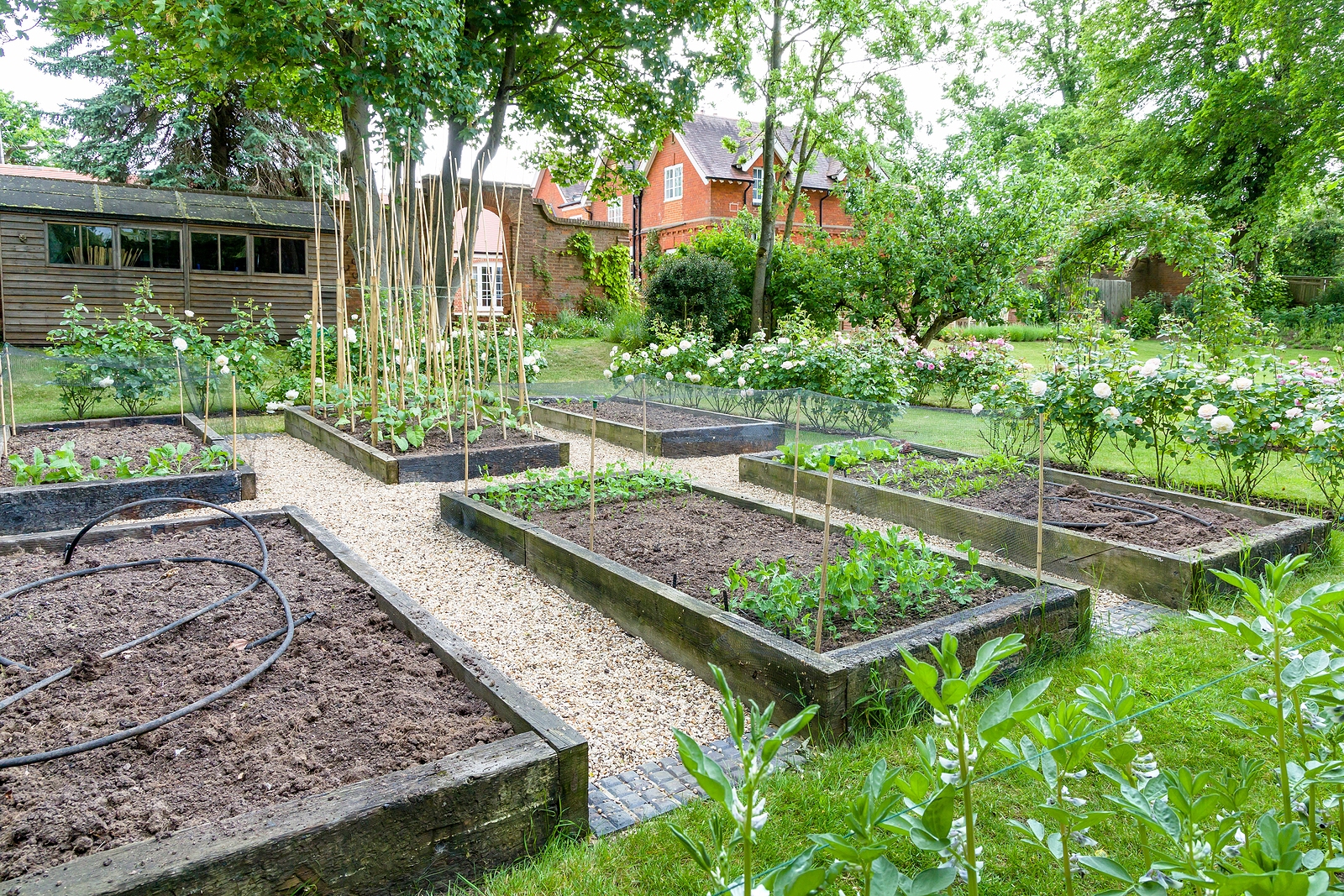
Over many years of gardening in raised beds, containers, and wide-row systems, I’ve found that the garden behaves very predictably once you begin observing soil temperature patterns. Some years spring warms quickly and transitions accelerate early. Other years cool soil delays warm-season planting for weeks.
Using soil temperature as a guide has helped me improve germination, reduce transplant losses, time succession planting more accurately, and maintain more continuous harvests throughout the year.
The garden always tells you what season it believes it is underground.
Final Thought
Understanding soil temperature phases changes how you see the vegetable garden. Instead of relying only on frost dates or air temperatures, you begin observing the deeper biological rhythm driving plant growth below the surface.
When gardeners learn to follow these soil warming phases, planting becomes more predictable, transitions become smoother, and gardens remain productive much longer through the season.