Understanding Soil Compaction in the Garden and How to Fix It

Soil compaction is one of the most common—and least understood—problems in home gardens. Compacted soil restricts root growth, reduces water infiltration, slows drainage, limits nutrient uptake, and leads to weak, stressed plants. Because compaction usually happens gradually and out of sight, many gardeners don’t realize it’s occurring until plants begin to struggle. The good news: once you understand the causes, you can restore a healthy, crumbly, root-friendly soil structure with a few simple practices.
What Is Soil Compaction?
Soil compaction occurs when soil particles are pressed tightly together, reducing the open pore spaces that allow roots, air, and water to move.
Healthy soil contains 45–50% pore space—a mix of air and water channels created by roots, worms, and microbes.
Compacted soil, by contrast, becomes dense, heavy, and hard to dig or plant into.
You may have soil compaction if you notice:
- Water pooling or running off the bed surface
- Hard, crusty soil that cracks
- Stunted plant growth
- Difficulty inserting a trowel or stake
- Roots that grow sideways instead of down
- Poor seed germination
What Causes Soil Compaction?
1. Foot Traffic in Beds
Walking on garden beds compresses soil and collapses pore spaces.
2. Working Wet Soil
Digging, tilling, or stepping on soil when wet causes particles to smear and seal together.
3. Heavy Machinery or Tools
Wheelbarrows, mowers, and even rototillers can create compacted layers a few inches down.
4. Lack of Organic Matter
Soils low in compost or plant residue have fewer aggregates and compact more easily.
5. Repeated Tillage
Tilling loosens soil temporarily but creates a dense “till pan” beneath the tilled layer over time.
6. Bare Soil
Without roots or mulch, rainfall compacts soil and erodes pore spaces.
How to Fix Soil Compaction
1. Add Organic Matter Generously
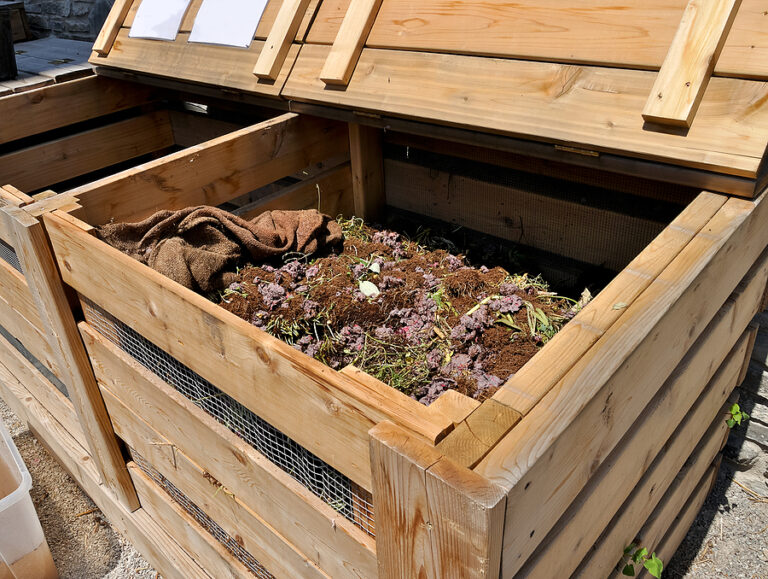
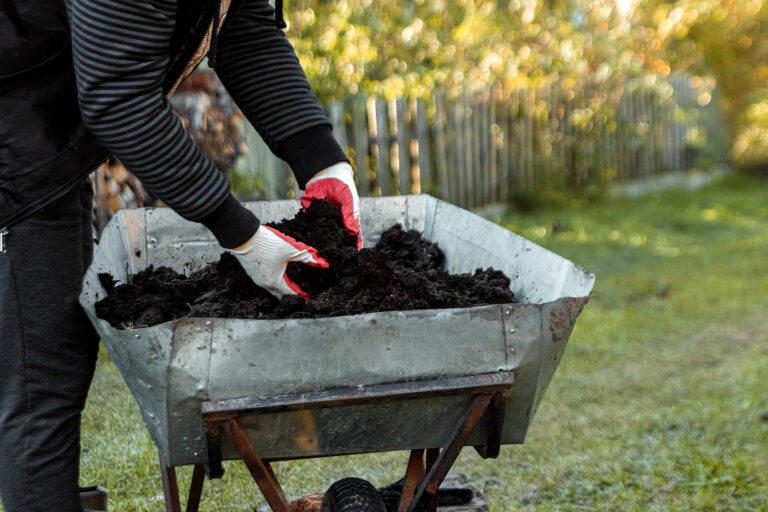
Compost is a natural soil conditioner that encourages aggregation and loosens dense soil.
Apply 1–2 inches on top of the soil and let worms and microbes incorporate it naturally.
2. Use Mulches to Protect and Build Structure
Mulch reduces crusting, increases moisture, and feeds soil organisms that aerate the soil.
Use materials such as:
- Straw
- Shredded leaves
- Wood chips (for pathways or perennials)
- Grass clippings (light layers)
3. Encourage Root Growth Year-Round
Roots are nature’s tillers. Plant:
- Cover crops (buckwheat, oats, vetch, clover)
- Deep-rooted vegetables
- Perennials where practical
Roots create channels that break up compaction from within.
4. Avoid Working Wet Soil
Allow soil to dry before digging or planting.
If a handful of soil forms a slick ribbon, it’s too wet.
5. Use a Garden Fork or Broadfork (Without Turning the Soil)
A broadfork is ideal for lifting and loosening compacted layers without inversion.
Simply:
- Insert the tines
- Rock back gently
- Create vertical fractures
- Pull out without flipping the soil
This opens pathways for roots, water, and air.
6. Create Permanent Pathways and Beds
Designate walking paths and keep feet and wheels out of the growing beds.
Raised beds naturally reduce compaction because edges prevent accidental stepping.
7. Maintain Continuous Mulch and Compost Applications
Soil structure improves year after year when protected and fed.
Consistent mulching prevents future compaction.
Preventing Compaction Long-Term
- Never walk on beds
- Keep soil covered
- Grow cover crops in the off-season
- Minimize tillage or digging
- Add compost annually
- Avoid heavy equipment in garden areas
The more you treat soil as a living ecosystem, the more resistant it becomes to compaction.
My Experience
With more than 30 years of hands-on experience gardening in California’s Central Valley and Sonoma Valley, I’ve dealt with compacted soils ranging from heavy clay to exhausted former lawn areas. As a long-time Master Gardener, UC Extension landscape design instructor, and chief vegetable garden volunteer at the Sonoma Garden Park, I’ve helped hundreds of gardeners diagnose compaction and rebuild soil structure using simple, regenerative methods. The recommendations in this post come directly from real-world trial, observation, and teaching—not just theory.