Tomatillo Plant Care: Pruning, Supporting, and Seasonal Tips

Tomatillos are vigorous, sprawling plants—more like small, determined shrubs than tomatoes. After more than 30 years of growing them in raised beds and warm California summers, I’ve learned that simple, consistent care is what keeps plants upright, productive, and manageable. With a little guidance through pruning, supporting, and seasonal maintenance, your tomatillos will reward you with armloads of bright, papery-husked fruit.
Why Tomatillo Plant Care Matters
Tomatillos can easily overwhelm a small bed: branches sprawl, heavy fruit clusters bend stems, and the interior canopy can become dense. With just a little training and thinning, plants stay healthier, produce earlier, and set more fruit—especially in mild summer climates like Sonoma Valley, where airflow and sunlight directly influence productivity.
Pruning Tomatillos the Right Way
Light, Strategic Pruning Only
Tomatillos don’t require heavy pruning the way indeterminate tomatoes sometimes do. Focus instead on:
- Removing lower leaves that touch the soil; this improves airflow and reduces disease.
- Thinning interior shoots when the canopy becomes too dense.
- Pinching back overly long branches to encourage branching and better structure.
From experience, pruning is most effective when done gradually—small adjustments every two weeks rather than one big cut.
Don’t Remove Major Stems
Tomatillos fruit along many side shoots. Removing big stems reduces yield. Keep pruning limited to tidying and shaping.
Prune for Pollination
Good airflow helps flowers dry quickly after morning dew or irrigation, which improves pollinator access and fruit set. In my garden, even removing a few inner shoots can noticeably increase production.
How to Support Tomatillo Plants
Even compact varieties can reach 3–4 feet wide. Without support, branches flop, fruit sits on the soil, and pests find easy access.
Best Support Options
- Tomato cages: Use the largest and sturdiest; tomatillos outgrow smaller cages fast.
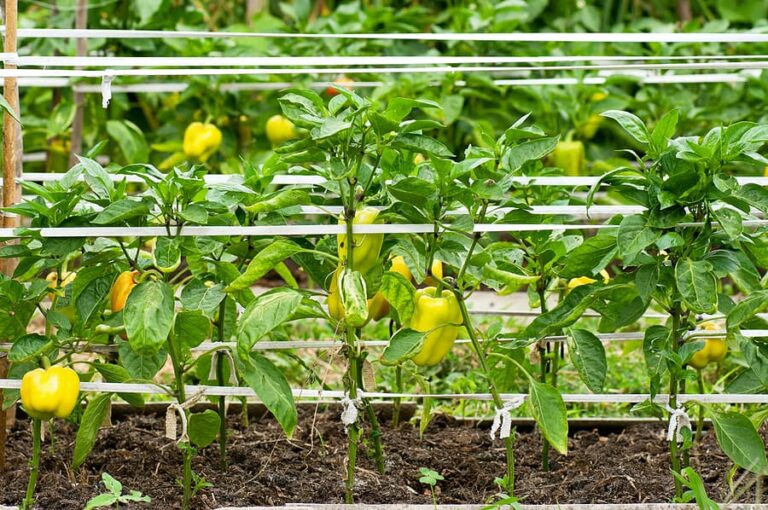
- Stakes and twine: Ideal for raised beds; tie loosely as vines grow.
- Low corral fencing: Surround plants to keep branches from splaying onto pathways.
In my raised beds, I use 4-foot heavy-gauge tomato cages set deep into the soil. They keep plants upright even when loaded with fruit.
Train Early
Support works best when added at planting or soon after. Trying to cage a sprawling tomatillo mid-season usually ends in broken branches.
Seasonal Care Tips for Maximum Yield
Early Season (Planting to First Flower)
- Add supports immediately.
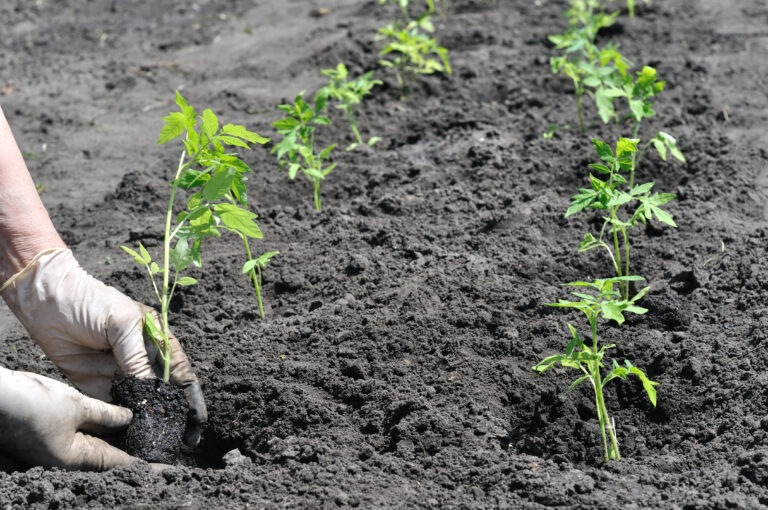
- Pinch off any damaged transplant leaves.
- Begin light pruning once plants reach 12–16 inches tall.
Mid-Season (Flowering and Fruit Set)
- Thin interior shoots for airflow.
- Tie up heavy fruiting branches.
- Water consistently—uneven moisture can reduce fruit fill.
Late Season (Heavy Fruit Load)
- Remove any diseased or yellowing foliage.
- Add extra ties to branches bent under fruit weight.
- Trim back late-season sprawling stems that produce flowers without time to mature fruit.
End of Season
Plants decline quickly once nights cool. Remove spent plants promptly to reduce pest carryover to next year.
Experience Tip: Prune and Support for Husks, Not Just Fruit
Tomatillos often size up their husks before the fruit fills the interior. When plants are well supported and thinned, more sunlight reaches developing fruit, helping them fully fill the husk. Unsupported plants often produce husks with half-sized fruit due to shading and stress.
Final Thoughts
Tomatillo care doesn’t need to be complicated—just intentional. With light pruning, good support, and seasonal tuning based on plant growth, you’ll have tidy, productive plants and a long harvest window. These habits have made all the difference in my Sonoma Valley garden, and they will do the same for yours.
Tomatillo Learning Hub
Start Here
Planning, Timing & Varieties
- When and How to Plant Tomatillos for Maximum Yield
- Tomatillo Planting Calendar: Month-by-Month Guide
- Tomatillo Seed Starting Tips
- Best Tomatillo Varieties for Home Gardens
- Short-Season and Fast-Maturing Tomatillos
Planting & Early Growth
Watering, Feeding & Seasonal Care
- Watering and Feeding Tomatillos: How to Boost Fruit Production
- Tomatillo Plant Care: Pruning, Supporting, and Seasonal Tips
Pests, Diseases & Natural Control
Harvest and Kitchen