The Ultimate Guide to Growing Bok Choy (Pak Choi)

Bok choy—also called pak choi or Chinese cabbage—is one of the easiest and fastest leafy greens you can grow. Tender, mild, and ready for harvest in as little as 30–45 days, bok choy is a cool-season favorite for gardeners who want quick rewards and continuous harvests. After growing Asian greens for more than 30 years in my raised beds and year-round garden, I’ve learned that bok choy thrives when given even moisture, rich soil, and protection from heat and pests. This guide brings together everything I’ve learned from hands-on experience to help you grow crisp, flavorful bok choy from seed to harvest.
What Is Bok Choy (Pak Choi)?
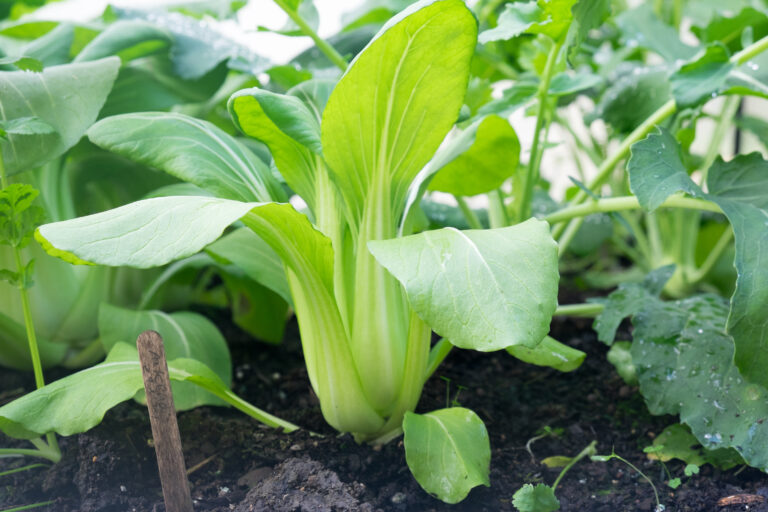
Bok choy is a type of Chinese cabbage (Brassica rapa var. chinensis) grown for its smooth, spoon-shaped leaves and juicy white or green stalks. Unlike heading Chinese cabbages, bok choy forms loose rosettes—small varieties reach 6–8 inches, while full-size types grow 12–18 inches tall.
Bok choy is valued for:
- Mild, sweet cabbage flavor
- Fast maturity
- Excellent bolt resistance in cool weather
- Stir-fry, soup, and salad versatility
Quick Growing Tips
- Grow in cool weather: best temperatures 55–70°F (13–21°C).
- Plant in rich, well-drained soil with steady moisture.
- Sow succession crops every 2–3 weeks for a continuous harvest.
- Protect from flea beetles and cabbage worms with row cover.
- Harvest young plants for the sweetest, most tender flavor.
Where to Grow Bok Choy
Bok choy thrives in full sun in cool seasons and partial shade in warm climates. In Sonoma Valley, I grow spring and fall crops outdoors and add light shade during sudden heat spikes.
Choose a site with:
- 6+ hours of sun
- Well-drained, compost-rich soil
- pH between 6.0 and 7.0
- Protection from strong afternoon heat
Raised beds, greenhouse benches, and deep containers all work well.
When to Plant Bok Choy
Bok choy grows best in spring and fall, when temperatures stay below 75°F.
Spring:
- Start seeds indoors 4 weeks before the last frost.
- Transplant outdoors when nights are above 50°F.
Fall:
- Direct-sow 8–10 weeks before your first expected frost.
- Bok choy thrives in shortening days and cool soil.
Winter (mild climates):
In frost-moderate zones like mine, bok choy grows well under row cover or in an unheated cold frame.
How to Plant Bok Choy
Direct Sowing
- Sow seeds ¼ inch deep.
- Thin to 6 inches for baby bok choy or 10–12 inches for full-size plants.
Transplanting
- Set transplants slightly deeper than they were growing.
- Water thoroughly after planting to reduce stress.
I’ve found that bok choy transplants easily as long as the roots are not disturbed.
Companion Plants for Bok Choy
Good companions include:
- Carrots
- Beets
- Spinach
- Garlic
- Onions
- Dill (attracts beneficial insects)
Avoid planting near strawberries or pole beans, which can crowd or shade the young plants.
Container Growing Bok Choy
Bok choy is one of the best Asian greens for containers.
Minimum pot size:
- 6 inches deep for baby types
- 10–12 inches deep for full-size plants
Use high-quality potting mix, keep soil evenly moist, and feed lightly every 2–3 weeks with a balanced organic fertilizer.
Watering Bok Choy
Steady moisture is vital. Dry soil leads to:
- Tough stalks
- Bitter flavor
- Premature bolting
Water deeply 2–3 times per week depending on temperature and rainfall. Mulch with shredded leaves, straw, or compost to help regulate moisture.
Feeding Bok Choy
Bok choy grows quickly and appreciates rich organic matter.
Before planting:
- Add 2–3 inches of compost
- Work in a balanced 4-4-4 organic fertilizer
During the season:
Side-dress with compost tea or fish emulsion every 2–3 weeks.
Bok Choy Care
To maintain healthy growth:
- Keep soil consistently moist
- Mulch well
- Use row cover to prevent insect damage
- Thin seedlings to reduce crowding
- Harvest regularly for continued new growth
In my garden, a light shade cloth during early heat waves makes a noticeable difference in bolt resistance.
Pests and Diseases
Common pests include:
- Flea beetles—cause tiny shot-holes in leaves
- Cabbage loopers & worms
- Aphids
Prevention:
- Use row cover immediately after planting
- Hand-pick worms
- Spray neem or BT as needed
- Encourage predators such as lady beetles and lacewings
Diseases are rare when soil drains well and air circulation is good.
How to Harvest Bok Choy
You can harvest bok choy at any stage.
Baby bok choy:
- Harvest at 4–6 inches tall by cutting the whole plant at soil level.
Full-size heads:
- Harvest when stalks are firm and leaves crisp.
- Cut at the base with a clean knife.
Cut-and-come-again:
- Snip outer leaves and let plants continue growing.
Storing and Preserving Bok Choy
- Refrigerate unwashed heads in a loose plastic bag for up to 1 week.
- Blanch and freeze for long-term storage.
- Add fresh bok choy to soups, stir-fries, noodles, salads, and dumplings.
Best Bok Choy Varieties to Grow
My recommended favorites:
Baby Types
- Shanghai Green – tender, mild, heat tolerant
- Toy Choi – compact, perfect for containers
Full-Size Types
- Joi Choi – bolt-resistant, reliable
- Mei Qing Choi – crisp, sweet, excellent in warm climates
Final Thoughts
Bok choy is one of the most rewarding greens for beginner and experienced gardeners alike. With rich soil, consistent watering, and protection from heat, you’ll enjoy crisp, succulent harvests throughout the cool season. After decades of growing Asian greens in raised beds, I’ve found bok choy to be one of the most forgiving and productive choices for year-round succession planting.
Bok Choy Learning Hub
Start here: The Ultimate Guide to Growing Bok Choy
Bok Choy Planting & Timing
- When to Plant Bok Choy for Spring, Summer, and Fall
- Bok Choy Planting Calendar: Month-by-Month Guide
- Best Growing Conditions for Tender, Bolt-Resistant Bok Choy
Starting, Transplanting & Direct Sowing
- How to Start Bok Choy Indoors Under Lights
- Direct Sowing Bok Choy for Fast, Tender Harvests
- How to Transplant Bok Choy Without Triggering Bolting
Bok Choy Care
- Watering Bok Choy: Keeping Plants Tender and Not Tough
- How to Fertilize Bok Choy for Fast, Leafy Growth
- How to Prevent Bok Choy from Bolting (Heat, Stress & Day Length)
Pests & Diseases
Harvest & Storage
Containers & Small Spaces
Varieties
- Best Bok Choy Varieties for Home Gardeners
- Baby Bok Choy Varieties for Fast, Tender Yields
- Heat-Tolerant and Bolt-Resistant Bok Choy Varieties
Companion Planting