The Soil Food Web: How Microbes Feed Your Vegetables

Beneath every thriving vegetable garden lies an unseen world of activity—the soil food web. This living network of bacteria, fungi, protozoa, nematodes, arthropods, and earthworms works together to transform organic matter into nutrients plants can use. In regenerative gardening, understanding and nurturing this web is the key to growing vigorous, nutrient-dense crops without relying on synthetic fertilizers.
After more than 30 years of hands-on gardening in California’s Central Valley and Sonoma Valley, I’ve seen how vibrant soil life transforms struggling vegetable beds into thriving ecosystems that sustain themselves season after season.
What Is the Soil Food Web?
The soil food web is the network of organisms that live in and around plant roots. Each plays a role in breaking down organic matter, cycling nutrients, and maintaining soil structure.
- Bacteria: Decompose organic matter and release nutrients in plant-available forms.
- Fungi: Form mycorrhizal relationships that extend root systems and deliver water and minerals.
- Protozoa and Nematodes: Feed on bacteria and fungi, releasing nutrients as waste.
- Arthropods and Earthworms: Shred organic matter, mix soil layers, and create air channels.
Together, they form a balanced, self-sustaining system where plants, soil, and microbes support one another.
How Microbes Feed Vegetable Plants
Plants don’t take nutrients directly from compost or minerals—they rely on microbes to make them available. Here’s how it works:
- Microbes Decompose Organic Matter – Bacteria and fungi break down complex materials into simpler nutrients.
- Nutrients Enter the Soil Solution – Microbial activity releases nitrogen, phosphorus, potassium, and micronutrients into forms roots can absorb.
- Root Exudates Feed Microbes – Plants secrete sugars, amino acids, and organic acids to attract beneficial microbes.
- Symbiotic Exchange – Mycorrhizal fungi and bacteria trade nutrients for plant-derived carbon—an exchange that strengthens both.
This process turns soil into a living nutrient factory that continually feeds your vegetables.
How to Support the Soil Food Web in Your Garden
1. Add Organic Matter Regularly
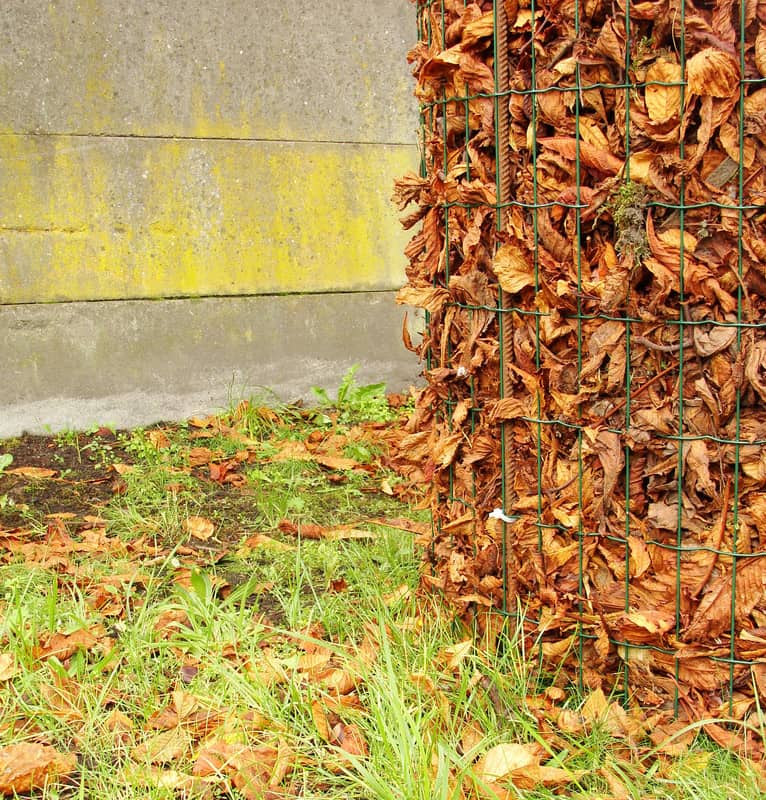
Compost, leaf mold, and aged manure provide food for microbes and improve soil structure.
2. Keep Soil Covered
Use mulch or cover crops to protect microbes from sunlight, erosion, and drying out.
3. Minimize Disturbance
Tilling breaks fungal networks and disrupts soil communities. Choose no-till or low-till practices to preserve life below ground.
4. Avoid Synthetic Chemicals
Pesticides, herbicides, and chemical fertilizers can harm beneficial microbes. Use organic, biological, or regenerative alternatives.
5. Encourage Plant Diversity
Different plants support different microbial communities. Rotate crops and include companion plants to build resilience.
My Experience with Soil Biology
When I first began gardening, I focused on feeding plants with fertilizer. Over time, I noticed that gardens enriched with compost, cover crops, and minimal disturbance produced stronger, pest-resistant plants. Soil teeming with worms and fungi fed vegetables more effectively than any store-bought product. I learned that healthy soil life is the foundation of healthy crops.
Conclusion
The soil food web is nature’s original nutrient system—efficient, balanced, and regenerative. By nurturing microbes, fungi, and soil organisms, gardeners can create self-sustaining ecosystems where vegetables grow stronger, taste better, and require fewer inputs. In regenerative gardening, we don’t feed the plants—we feed the soil life that feeds the plants.