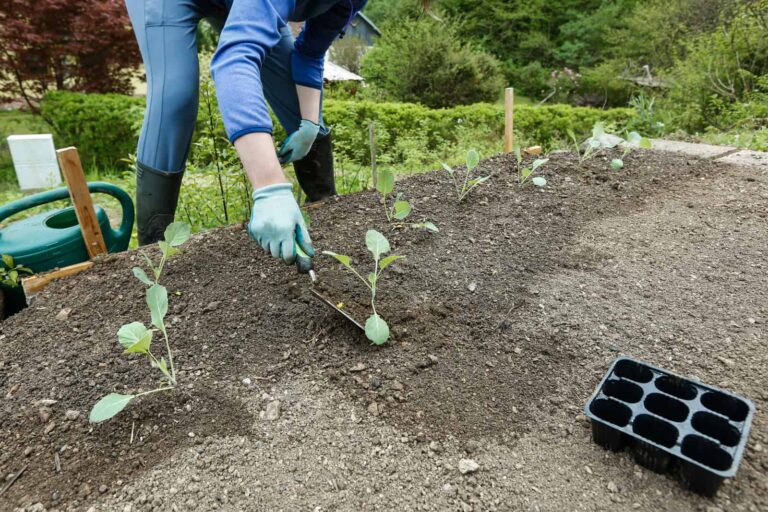
The Regenerative Vegetable Gardener’s Guide to Soil Science: How Living Soil Grows Healthier Crops

Healthy soil is the foundation of every thriving vegetable garden. Beneath the surface, a world of living organisms, minerals, air, and water work together to grow healthy crops and sustain life. When you understand how this living system functions—and how to support it—you can garden regeneratively, creating soil that becomes richer, more fertile, and more self-sustaining with each passing season.
Regenerative gardening begins with one simple shift: seeing soil not as dirt, but as a living ecosystem.
What Is Regenerative Gardening?
Regenerative gardening is more than organic gardening. It’s an approach that restores and enhances the natural systems that support plant growth, especially the soil. While organic gardening focuses on avoiding chemicals, regenerative gardening focuses on building life.
A regenerative gardener:
- Minimizes soil disturbance to protect structure and microbes.
- Keeps the soil covered with mulch or living plants.
- Grows a diversity of crops and cover crops.
- Recycles organic matter to feed soil life.
- Uses compost, not chemicals, to maintain fertility.
- Treats the garden as an interconnected ecosystem.
The goal is not simply sustainability—maintaining what exists—but regeneration: improving soil health, increasing carbon storage, and creating resilience against drought, pests, and climate extremes.
When soil is regenerated, it can grow healthier vegetables with less effort and fewer inputs.
Understanding Living Soil
Healthy soil is a complex blend of minerals, organic matter, air, water, and living organisms. The living portion is what sets regenerative soil apart from lifeless dirt.
In one teaspoon of living soil, there can be more microorganisms than there are people on Earth. These include:
- Bacteria that decompose organic matter and release nutrients.
- Fungi that connect plant roots in vast mycorrhizal networks.
- Protozoa and nematodes that graze on bacteria and release plant nutrients.
- Earthworms and insects that aerate soil and create structure.
Together, these organisms form the soil food web—a self-organizing system that cycles nutrients, builds soil structure, and defends plants from disease.
When you feed and protect the soil food web, it in turn feeds and protects your plants.
Soil Structure: The Foundation of Regenerative Gardening
Soil structure refers to how particles of sand, silt, and clay bind together into aggregates. In healthy soil, these aggregates create pore spaces for air and water to move freely.
Vegetable roots need both air and moisture to grow. Compacted or poorly structured soil can suffocate roots and limit nutrient uptake.
Signs of Good Regenerative Soil Structure
- The soil is crumbly and dark, rich with organic matter.
- Water soaks in easily and drains without puddling.
- Earthworms are common, indicating active soil life.
- The soil holds together when squeezed but falls apart when tapped.
How to Build Soil Structure Naturally
- Add organic matter regularly. Compost, aged manure, and leaf mold help glue soil particles into stable aggregates.
- Keep the soil covered. Mulch, living plants, or cover crops protect soil from erosion and temperature extremes.
- Avoid tillage. Each time you turn the soil, you break aggregates and expose microbes to drying air. Instead, loosen compacted soil gently with a broadfork or grow deep-rooted crops.
- Encourage roots and soil life. Living roots exude sugars that feed microbes, which in turn build soil structure.
Over time, soil structure improves visibly: easier digging, faster drainage, and richer plant growth.
Soil Texture and How It Affects Vegetables
Texture refers to the proportion of sand, silt, and clay.
- Sandy soils drain quickly but hold little moisture or nutrients.
- Clay soils hold water and nutrients well but drain slowly.
- Loam—a balance of sand, silt, and clay—is ideal for most vegetables.
Regenerative Tips for Different Soil Types
- Sandy soil: Add compost and biochar to improve water and nutrient retention.
- Clay soil: Add compost and organic mulch to increase air space and prevent crusting.
- Silty soil: Avoid compaction and keep it covered with living plants or mulch.
No matter your soil type, organic matter is the great equalizer—it transforms texture over time.
Soil Chemistry: Understanding Nutrient Balance
Plants absorb nutrients dissolved in soil water. These nutrients come from decomposed organic matter, mineral weathering, and microbial activity.
The three primary nutrients are nitrogen (N), phosphorus (P), and potassium (K)—but plants also need calcium, magnesium, sulfur, and trace minerals like zinc and iron.
The Regenerative Approach to Soil Fertility
- Feed the soil, not the plant. Instead of pouring on fertilizer, add organic matter and let microbes release nutrients gradually.
- Test your soil. A soil test reveals pH, nutrient levels, and imbalances. Regenerative gardeners use this data to guide compost and mineral additions.
- Balance soil pH. Most vegetables prefer a slightly acidic to neutral pH (6.0–7.0). Compost and organic matter help buffer pH naturally.
- Avoid overfeeding. Excess nitrogen can disrupt microbial balance and cause weak, pest-prone plants.
Healthy, living soil creates its own nutrient cycle—reducing the need for external inputs year after year.
Soil Biology: The Living Engine
Soil life drives regeneration. The more biodiverse your soil, the more resilient and self-fertile it becomes.
Key Players in the Soil Food Web
- Bacteria – Break down organic matter and make nutrients available.
- Fungi – Form symbiotic relationships with roots, expanding their reach.
- Protozoa and nematodes – Consume bacteria and release nitrogen in plant-available forms.
- Earthworms and arthropods – Shred organic debris and mix it into the soil.
How to Support Soil Biology
- Feed them: Apply compost, green manures, and plant residues.
- Protect them: Avoid tillage, pesticides, and synthetic fertilizers that harm microbes.
- Shelter them: Keep soil covered with mulch or living plants to regulate moisture and temperature.
When soil life thrives, nutrient cycling, disease suppression, and water retention all improve.
Organic Matter: The Heart of Regeneration
Organic matter—humus, compost, leaf litter, roots—is the lifeblood of regenerative soil. It fuels the soil food web and improves physical, chemical, and biological health.
Benefits of Building Organic Matter
- Increases water-holding capacity.
- Improves soil structure and drainage.
- Provides a slow-release source of nutrients.
- Buffers soil pH.
- Stores carbon and enhances climate resilience.
Ways to Build Organic Matter
- Add compost to every bed at least once a year.
- Grow cover crops and incorporate them lightly as mulch.
- Apply organic mulches—straw, leaves, wood chips—to protect the soil surface.
- Reduce tillage to slow decomposition and retain carbon.
Every handful of compost is a gift to future harvests.
Water and Soil: Partners in Regeneration
Water movement in soil determines how nutrients flow and how roots breathe. Healthy, well-structured soil absorbs and retains water efficiently, reducing runoff and erosion.
Regenerative Water Management
- Water deeply and infrequently. Encourage deep root systems that can access subsoil moisture.
- Use drip irrigation. It delivers water directly to roots while keeping foliage dry.
- Mulch to conserve moisture. A 2–3 inch layer of straw or leaves reduces evaporation and stabilizes soil temperature.
- Build organic matter. Every 1% increase in soil organic matter can help soil hold 20,000 gallons more water per acre.
In regenerative gardens, soil becomes the water reservoir.
Regenerating Depleted or Compacted Soil
Even exhausted soil can come back to life with time and care. The regenerative process mimics nature’s own recovery systems.
How to Begin
- Add compost generously. It jumpstarts microbial life and supplies stable organic carbon.
- Sow cover crops. Legumes add nitrogen; grasses add biomass; deep-rooted plants break up compaction.
- Mulch continuously. Protects soil and feeds organisms on the surface.
- Stop tilling. Allow soil layers to rebuild and organisms to reestablish their homes.
- Observe and adjust. Soil changes gradually—record what you see each season.
Within a year or two, compacted beds begin to loosen naturally, and once-weak plants regain vigor.
The Carbon Connection: Soil as a Climate Ally
Regenerative soil management doesn’t just grow vegetables—it draws carbon from the air and stores it underground.
When plants photosynthesize, they capture carbon and send some of it to their roots to feed microbes. In return, microbes build stable carbon compounds (humus) that remain in soil for decades.
Practices like cover cropping, composting, and minimizing tillage all help capture and retain this carbon. Each garden that regenerates soil contributes to a larger climate solution.
Zero Waste Gardening: Closing the Loop
A regenerative garden is a closed-loop system where nothing is wasted. Kitchen scraps become compost. Old crops become mulch. Leaves feed the soil instead of filling a landfill.
This circular approach mirrors natural ecosystems, where every output becomes another organism’s input.
- Compost vegetable waste and garden trimmings.
- Mulch with crop residues.
- Return nutrients through compost tea or worm castings.
- Avoid synthetic waste. Plastic mulch and chemical fertilizers disrupt the cycle.
When the nutrient loop is complete, the garden becomes a living, self-feeding system.
Regenerative Soil Practices for Every Season
Spring
- Add compost before planting.
- Sow green manures or early cover crops in unused beds.
- Avoid working wet soil to prevent compaction.
Summer
- Keep soil covered with mulch.
- Water deeply and observe biological activity.
- Plant quick-growing green manures after early harvests.
Fall
- Plant cover crops to protect bare soil.
- Spread compost or leaf mold.
- Mulch paths and beds for winter protection.
Winter
- Let soil rest under mulch or living roots.
- Plan next season’s crop rotation.
- Check for drainage and soil structure improvements.
Every season is an opportunity to build soil health.
The Regenerative Gardener’s Soil Checklist
Annually:
- Add compost to each bed.
- Grow a mix of cover crops.
- Keep the soil covered year-round.
- Limit tilling to the top few inches.
- Observe soil texture, color, and biological life.
Every Few Years:
- Conduct a soil test and rebalance nutrients organically.
- Add minerals like rock phosphate or greensand if needed.
- Introduce biochar or worm castings for lasting fertility.
The Science of Observation
Regenerative gardening is both science and art. It begins with observation—looking, touching, smelling, and listening to the soil.
Healthy soil has a pleasant, earthy aroma (from a bacterium called Actinomycetes). It feels springy and moist. It teems with worms and roots.
When you learn to read these signs, you’ll know what your soil needs without guesswork.
Regenerative gardeners don’t control the soil; they collaborate with it.
From Dirt to Living Soil
Even the most lifeless, compacted, nutrient-poor soil can be brought back.
Start small. Add organic matter. Protect the surface. Keep roots growing. In a single season, you’ll see improvement. In a few years, your soil will be transformed.
This is the regenerative promise: that life wants to return, and the gardener’s role is to invite it back.
Key Takeaways
- Soil is a living ecosystem—not a medium for holding plants.
- Regenerative gardening builds soil structure, fertility, and biology.
- Compost, cover crops, and minimal disturbance are the core regenerative tools.
- Healthy soil holds water, cycles nutrients, and stores carbon naturally.
- Every gardener, no matter how small the plot, can restore soil health and help regenerate the earth.
Next: Deepen Your Soil Knowledge
Explore the companion guides in this series:
- Understanding Soil Texture and Structure for Regenerative Gardening
- The Soil Food Web: How Microbes Feed Your Vegetables
- Building Soil Organic Matter: The Key to Regenerative Fertility
- Cover Crops for Regenerative Soil Health
- Zero Waste Gardening: Closing the Nutrient Loop