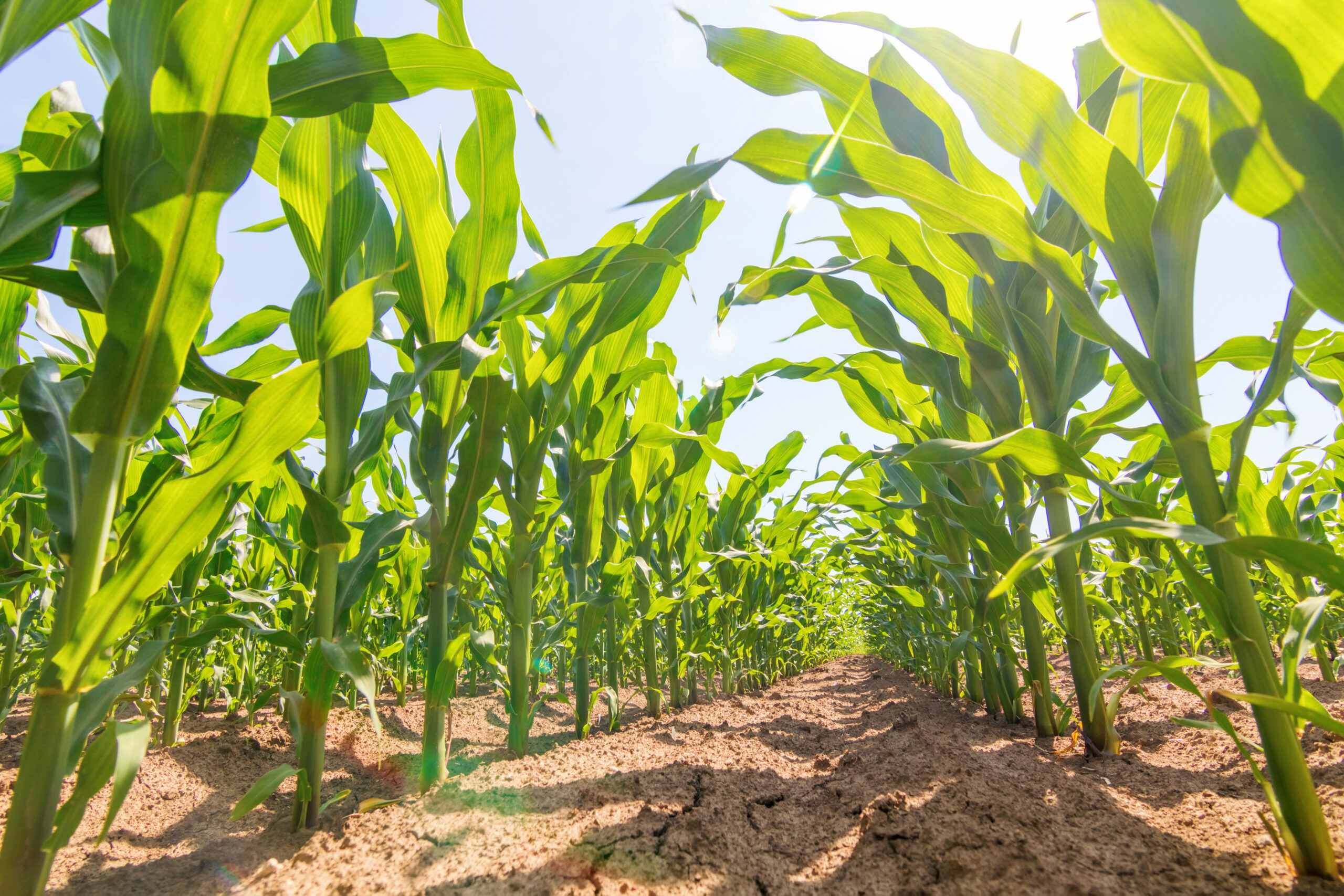
The Complete Beginner’s Guide to Growing Sweet Corn at Home

Fresh-picked Sweet corn is one of the great rewards of a summer vegetable garden. Homegrown sweet corn is sweeter, juicier, and more flavorful than almost anything you can buy at the grocery store because sugars begin converting to starch immediately after harvest.
After growing corn for decades in California home gardens, I’ve learned that sweet corn is easier to grow than many beginners expect—as long as you understand a few important basics:
- warm soil,
- proper spacing,
- steady watering,
- and pollination.
Once those needs are met, corn becomes one of the most productive and satisfying summer crops.
Why Grow Sweet Corn at Home?
Homegrown corn offers several advantages:
Know What to Plant This Week
Every week I answer the gardener's most important question: what should I plant now? Get seasonal planting advice free — or go Pro for my full Soil Temperature Garden Report, with soil temperature, moisture, weather trends, and crop-by-crop recommendations.
- exceptional flavor,
- fresh harvests,
- high productivity,
- and fun family gardening.
Corn also grows quickly during warm weather and creates a dramatic visual centerpiece in the summer garden.
In my garden, corn often serves as both:
- a productive crop,
- and a natural summer screen.
Understanding Sweet Corn Types
Sweet corn varieties fall into several categories.
Standard Sweet Corn (su)
Traditional sweet corn with classic corn flavor.
Characteristics
- Tender kernels
- Best flavor immediately after harvest
- Less sugary than newer hybrids
My Favorite
- Bodacious
Sugary Enhanced (se)
These varieties combine sweetness with tender texture.
Why I Like Them
Sugary enhanced corn often offers the best balance of:
- sweetness,
- texture,
- and flavor.
My Favorite
- Ambrosia
Supersweet (sh2)
Extremely sweet with long storage life.
Important Note
Supersweet varieties require careful isolation from other corn types to avoid cross-pollination problems.
Best Conditions for Growing Sweet Corn
Corn thrives under warm growing conditions.
Sunlight
Corn needs:
- 8 or more hours of direct sunlight daily.
Soil
Corn grows best in:
- fertile,
- moisture-retentive,
- well-drained soil.
I add compost generously before planting because corn is a heavy feeder.
Soil Temperature
Corn germinates poorly in cold soil.
For best germination:
60∘F to 95∘F
In my experience, planting into warm soil is one of the biggest factors in early success.
When to Plant Sweet Corn
Plant sweet corn after danger of frost passes and soil warms.
My General Rule
I wait until:
- soil temperatures reach at least 60°F,
- and nighttime temperatures stay consistently mild.
Cold soil often causes:
- poor germination,
- seed rot,
- and weak seedlings.
Why Corn Should Be Planted in Blocks
This is the most important beginner lesson.
Corn is wind pollinated—not insect pollinated.
Common Beginner Mistake
Many beginners plant corn in:
- one long row.
This reduces pollination success.
Better Method
Plant corn in short blocks of:
- at least 4 rows.
Block planting improves:
- pollen distribution,
- ear fill,
- and kernel development.
How to Plant Sweet Corn
Planting Depth
Plant seeds about:
1 to 1.5 inches deep
Spacing
Space plants:
8 to 12 inches apart
Rows should be:
30 to 36 inches apart
Proper spacing improves:
- airflow,
- root development,
- and pollination.
Watering Sweet Corn
Corn needs consistent moisture for proper ear development.
Critical Watering Times
Especially important during:
- tasseling,
- silking,
- and ear filling.
What Happens Without Enough Water
Drought stress can cause:
- poorly filled ears,
- missing kernels,
- and stunted plants.
My Watering Method
I water deeply to encourage deep roots rather than shallow surface roots.
Feeding Sweet Corn
Corn is one of the heaviest feeders in the vegetable garden.
Best Fertility Strategy
Before planting, I work in:
- compost,
- aged manure,
- or balanced organic fertilizer.
Midseason Feeding
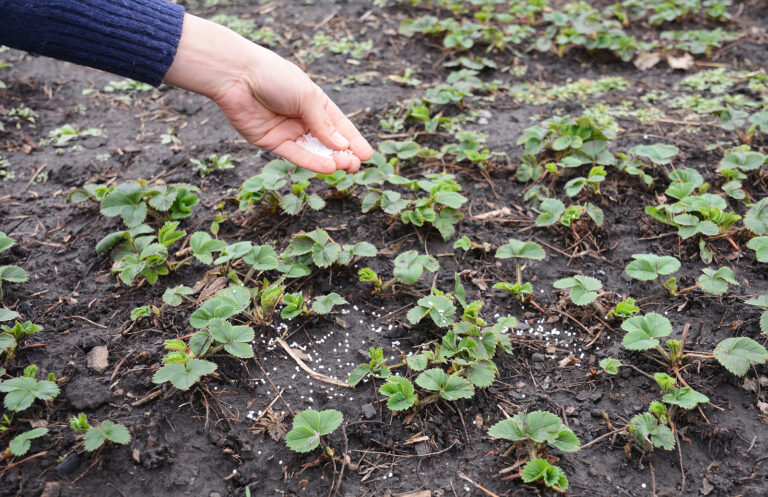
Once plants reach knee-high, I side-dress with additional nitrogen.
Healthy green growth supports larger ears later.
Pollination Explained
Corn produces:
- tassels at the top,
- and silks on developing ears.
Pollen falls from tassels onto silks and fertilizes individual kernels.
Each silk connects to one kernel.
Poor Pollination Causes
- missing kernels,
- patchy ears,
- incomplete filling.
My Tip
During calm weather, gently shaking stalks can help distribute pollen.
Best Sweet Corn Varieties for Beginners
Ambrosia (se)
Your favorite sweet corn for flavor.
Why It Stands Out
- Excellent sweetness
- Tender kernels
- Reliable production
Bodacious (se)
Your favorite variety for yield.
Strengths
- Vigorous plants
- Large ears
- Heavy production
On Deck
On Deck sweet corn is excellent for small gardens and containers.
Why Beginners Love It
- Compact plants
- Easier harvesting
- Good for raised beds
Common Sweet Corn Problems
Poor Germination
Usually caused by:
- cold soil,
- overly wet soil,
- or old seed.
Raccoons and Birds
Animals love sweet corn almost as much as gardeners do.
Protection Tips
- Harvest promptly
- Use fencing if necessary
- Grow enough for sharing
Corn Earworms
These pests enter ear tips during development.
My Prevention Method
Healthy plants and timely harvesting reduce damage significantly.
Succession Planting for Longer Harvests
Rather than planting all corn at once, I stagger sowings every:
2 to 3 weeks
This extends harvest season dramatically.
Harvesting Sweet Corn
Sweet corn tastes best harvested at peak ripeness.
Signs Corn Is Ready
- Silks turn brown
- Ears feel full
- Kernels release milky juice when punctured
Harvest Timing
Pick corn:
- early in the morning,
- and cook or refrigerate quickly.
Freshness makes an enormous difference in sweetness.
Growing Corn in Raised Beds
Corn grows very well in raised beds if:
- beds are wide enough,
- fertility is high,
- and watering remains consistent.
I often grow corn in wide blocks using my NEW gardening method:
- Narrow beds,
- Equidistant planting,
- Wide rows.
This method maximizes:
- airflow,
- pollination,
- and space efficiency.
Can You Grow Sweet Corn in Containers?
Yes—but choose compact varieties.
Best Container Variety
- On Deck
Important Requirements
Use:
- large containers,
- rich soil,
- and consistent watering.
Corn roots need room to anchor plants securely.
Final Thoughts
Sweet corn is one of the most rewarding summer vegetables for home gardeners. Once you understand the basics of:
- warm soil,
- block planting,
- pollination,
- watering,
- and feeding,
corn becomes surprisingly easy to grow successfully.
There’s also something deeply satisfying about walking into the garden on a warm summer morning and harvesting fresh ears moments before cooking them. The flavor difference alone makes sweet corn worth growing at home every season.