The Best Hedge Shears: What Actually Works

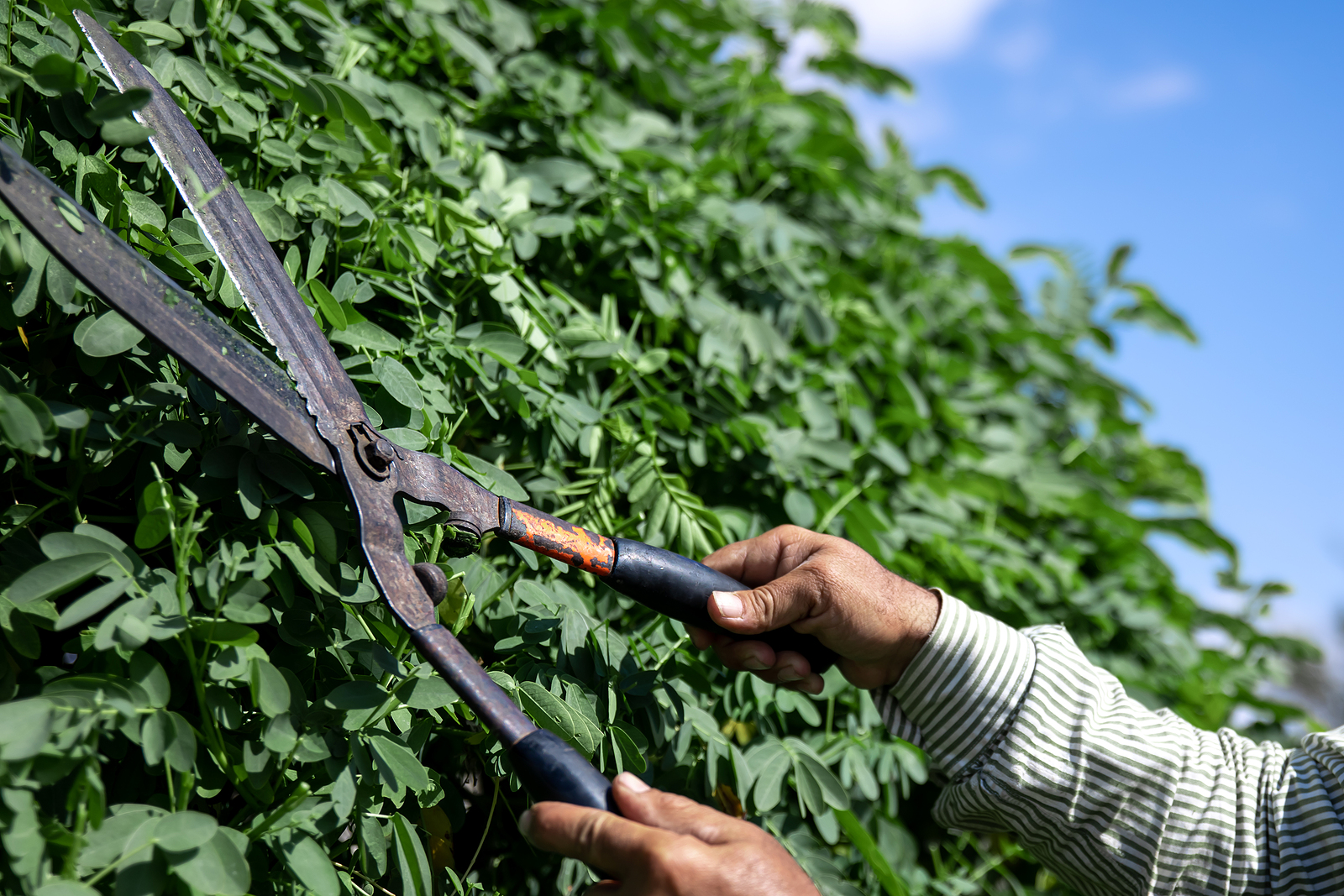
Hedge shears are one of those tools that separate a tidy, intentional garden from a messy one. While power trimmers handle bulk cutting, hedge shears are what you use when you want control, clean edges, and real plant shaping. They’re also quieter, more precise, and far better for detailed work around mixed plantings.
What actually works comes down to three things: blade quality (carbon vs stainless steel), blade type (straight vs wavy), and leverage (handle length + weight balance). A good pair should cut cleanly without crushing stems or fatiguing your hands.
Best Overall:
Fiskars PowerGear Hedge Shears
This is the workhorse choice for most home gardeners. It reduces hand strain while maintaining sharp cutting performance.
Know What to Plant This Week
Every week I answer the gardener's most important question: what should I plant now? Get seasonal planting advice free — or go Pro for my full Soil Temperature Garden Report, with soil temperature, moisture, weather trends, and crop-by-crop recommendations.
Best for: General hedge trimming, shaping shrubs, routine maintenance
Why it wins: Power amplification + clean cuts
Pros:
- Gear mechanism reduces effort
- Clean slicing action (less crushing)
- Comfortable grip for long sessions
Cons:
- Slightly more complex mechanism than basic shears
Best Premium Precision Shears:
High-carbon steel Japanese hedge shears known for razor-sharp precision and lightweight control.
If you want surgical precision on hedges, this is the benchmark.
Best for: Formal hedges, fine shaping, ornamental work
Pros:
- Extremely sharp high-carbon steel
- Lightweight but strong
- Clean, effortless cuts
Cons:
- Requires regular sharpening maintenance
Best Budget Option:
Fiskars Traditional Hedge Shears
Affordable, reliable hedge shears for basic trimming and light garden maintenance tasks.
A straightforward tool that gets the job done without complication.
Best for: Beginners, light trimming
Pros:
- Low cost
- Simple and durable design
- Good for occasional use
Cons:
- Less refined cutting performance
Best Heavy-Duty Option:
Corona HS 3950 Extendable Hedge Shears
Extendable handles provide extra leverage for cutting thicker branches and larger hedges.
When hedges get dense or overgrown, leverage matters.
Best for: Thick hedges, larger shrubs, taller plants
Pros:
- Extendable handles for reach and power
- Strong cutting blades
- Good leverage for dense growth
Cons:
- Heavier than standard models
Best Lightweight Option:
Darlac Lightweight Hedge Shears
Ultra-light hedge shears designed to reduce fatigue during extended trimming sessions.
Ideal when you’re doing a lot of fine trimming and don’t want fatigue setting in.
Best for: Long trimming sessions, light hedges
Pros:
- Very lightweight
- Easy to maneuver
- Comfortable for extended use
Cons:
- Not ideal for thick branches
Types of Hedge Shears (And When to Use Them)
1. Straight-Blade Shears
Best for clean, precise cuts and formal hedges.
2. Wavy-Blade Shears
Help grip stems and reduce slipping during cutting—useful for leafy or flexible hedges.
3. Gear-Driven Shears
Reduce cutting effort and are ideal for repetitive trimming.
4. Extendable Shears
Add leverage for thicker growth and taller hedges.
How Hedge Shears Are Actually Used
In a productive garden, hedge shears are not just for “trimming hedges”:
1. Shaping Hedges
Maintaining clean lines and controlled growth instead of wild expansion.
2. Soft Pruning Shrubs
Removing excess growth without stressing plants.
3. Detail Work After Power Trimming
Cleaning up rough cuts left by hedge trimmers.
4. Controlling Fast-Growing Plants
Keeping vigorous shrubs from overtaking beds or paths.
How to Use Hedge Shears Correctly
1. Cut in small sections
Don’t try to take too much at once—this preserves plant health and tool control.
2. Keep blades sharp
Sharp blades cut cleanly; dull blades crush stems.
3. Use full, smooth strokes
Let the blades do the work instead of forcing the cut.
4. Work from bottom to top
Helps maintain even hedge shape.
5. Clean after use
Sap buildup reduces performance and increases rust risk.
What Actually Matters When Choosing
- Blade sharpness and steel quality (most important factor)
- Weight balance (reduces fatigue over time)
- Handle length (short = precision, long = leverage)
- Cutting action (gear-assisted vs standard)
Most experienced gardeners use lightweight precision shears for shaping and heavier shears only for overgrown sections.
Why This Advice Works
This guidance comes from decades of hands-on gardening experience maintaining hedges, shrubs, and mixed ornamental borders. In real-world use, hedge shears fail most often not from breakage—but from poor ergonomics, dull blades, and inefficient cutting action that leads to fatigue and uneven results.
The tools recommended here are selected for clean cutting performance, durability over repeated seasonal use, and real control in shaping living plants.