The Best Garden Water Wands: What Actually Works

A good watering wand is one of the most underrated tools in the garden. It’s not just about spraying water—it’s about control, reach, and gentleness. The wrong wand blasts soil away, damages seedlings, and wastes time. The right one delivers a soft, even shower exactly where you need it.
What actually works comes down to three things: spray quality (gentle vs forceful), build durability (metal vs plastic), and ergonomics (thumb control + reach). Get those right, and watering becomes faster, more precise, and easier on your plants.
Watering wands attach to a hose and extend your reach, allowing you to water plants with a controlled, rain-like flow—especially useful for delicate crops and hanging baskets.
Best Garden Water Wands
Best Overall:
Know What to Plant This Week
Every week I answer the gardener's most important question: what should I plant now? Get seasonal planting advice free — or go Pro for my full Soil Temperature Garden Report, with soil temperature, moisture, weather trends, and crop-by-crop recommendations.
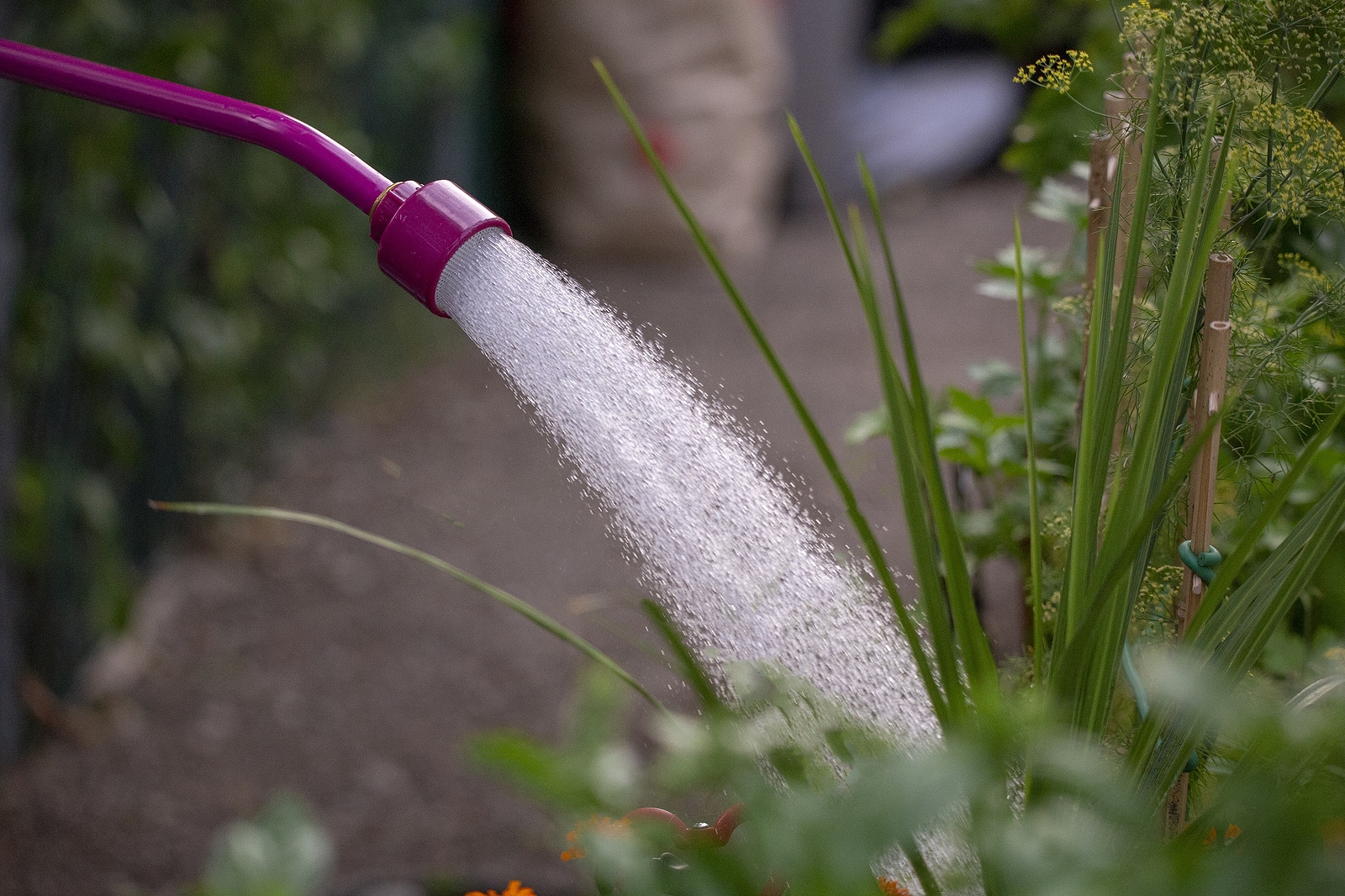
This is the standard serious gardeners compare everything else to. It delivers a soft, soaking rain that won’t disturb soil or damage plants.
Best for: Vegetable beds, seedlings, daily watering
Why it wins: Perfect balance of pressure and gentleness
Pros:
- Consistent “rain” pattern
- One-touch thumb control
- Durable, long-lasting design
Cons:
- Single spray pattern (by design)
Best Multi-Pattern Wand:
Dramm RainSelect 9 Pattern Aluminum Watering Wand
Nine spray options give you flexibility from delicate mist to strong stream for multiple garden tasks.
If you want flexibility, this gives you multiple spray settings—from mist to jet.
Best for: Gardeners who want one tool for everything
Pros:
- Multiple spray patterns
- Good control across tasks
- Durable aluminum build
Cons:
- More complex than single-pattern wands
Best Telescoping Wand:
Aqua Joe Telescoping Watering Wand
Extends to reach high baskets and deep beds with adjustable spray patterns and pivoting head.
Reach matters—especially in dense or vertical gardens.
Best for: Hanging baskets, deep beds, hard-to-reach areas
Pros:
- Adjustable length
- Pivoting head reduces strain
- Multiple spray settings
Cons:
- Less durable than fixed metal wands
Best Heavy-Duty Metal Wand:
Gilmour 36″ Heavy Duty Watering Wand
Reinforced metal construction with anti-kink swivel for long-term durability and ease of use.
Built for gardeners who are hard on tools.
Best for: Frequent use, rugged conditions
Pros:
- Strong metal construction
- Anti-kink swivel connection
- Long reach
Cons:
- Heavier than lighter models
Best Budget Option:
Melnor Relax-Grip Watering Wand
Affordable wand with multiple spray options for general garden watering tasks.
A solid entry-level wand that covers the basics.
Best for: Beginners, light-duty use
Pros:
- Low cost
- Multiple spray settings
- Easy to use
Cons:
- Less durable long-term
How Water Wands Are Actually Used
In a productive garden, water wands are about precision and plant health, not just watering:
1. Gentle Watering for Seedlings
Use a soft shower setting to avoid washing away soil or damaging young plants.
2. Deep Watering at the Root Zone
Direct water to the base of plants to encourage strong root growth.
3. Hanging Baskets and Vertical Gardens
Extended reach allows you to water overhead plants without strain.
4. Close-Spaced Beds
Precision watering avoids wetting leaves unnecessarily, reducing disease risk.
Types of Water Wands
Rain Wands (Single Pattern)
- Best for: Consistent, gentle watering
- Ideal for vegetables and seedlings
Multi-Pattern Wands
- Best for: Versatility
- Switch between mist, shower, and jet
Telescoping Wands
- Best for: Reach and flexibility
- Great for large or layered gardens
Heavy-Duty Metal Wands
- Best for: Durability
- Built for long-term, frequent use
How to Use a Water Wand Correctly
1. Water at the base of plants
Avoid soaking leaves unless needed—this reduces disease pressure.
2. Use a gentle shower for most crops
Strong streams compact soil and damage roots.
3. Move slowly and evenly
Let water soak in rather than run off.
4. Water early or late in the day
Reduces evaporation and improves absorption.
5. Match spray to plant stage
- Seedlings: mist or soft shower
- Mature plants: deeper, steady flow
What Actually Matters When Choosing
- Spray quality: Gentle, even flow is critical
- Control: Thumb valves are far easier than trigger grips
- Length: 30–36 inches is ideal for most gardens
- Material: Metal lasts longer than plastic
Most experienced gardeners end up using a simple rain wand daily and a multi-pattern wand occasionally.
Why This Advice Works
This guidance comes from decades of hands-on vegetable gardening, especially in raised beds and intensive planting systems. In real gardens, improper watering causes more problems than pests—compacted soil, shallow roots, and disease.
The tools recommended here are selected for how they actually deliver water to plants—gently, evenly, and efficiently over an entire season.