The Best Companion Plants for Tomatoes, Peppers, Cucumbers, and Squash

Companion planting is one of the simplest ways to create a healthier, more productive vegetable garden. After more than 30 years of growing vegetables in raised beds, mounded rows, and containers, I’ve found that certain plant combinations consistently improve growth, reduce pest pressure, and attract beneficial insects.
Good companion plants can:
- attract pollinators,
- confuse pests,
- improve airflow,
- shade soil,
- conserve moisture,
- and maximize garden space.
While companion planting is not magic, it is a practical and time-tested gardening strategy that works especially well in home gardens.
Here are the best companion plants for Tomato, Pepper, Cucumber, and Squash.
Know What to Plant This Week
Every week I answer the gardener's most important question: what should I plant now? Get seasonal planting advice free — or go Pro for my full Soil Temperature Garden Report, with soil temperature, moisture, weather trends, and crop-by-crop recommendations.
Best Companion Plants for Tomatoes
Tomatoes benefit most from companions that repel pests, improve pollination, and maximize space.
1. Basil
Basil is one of the classic tomato companions.
Why It Works
- Attracts pollinators
- Helps confuse pests
- Fits easily beneath tomato plants
My Experience
I almost always grow basil near tomatoes. It thrives in the same warm conditions and makes efficient use of garden space.
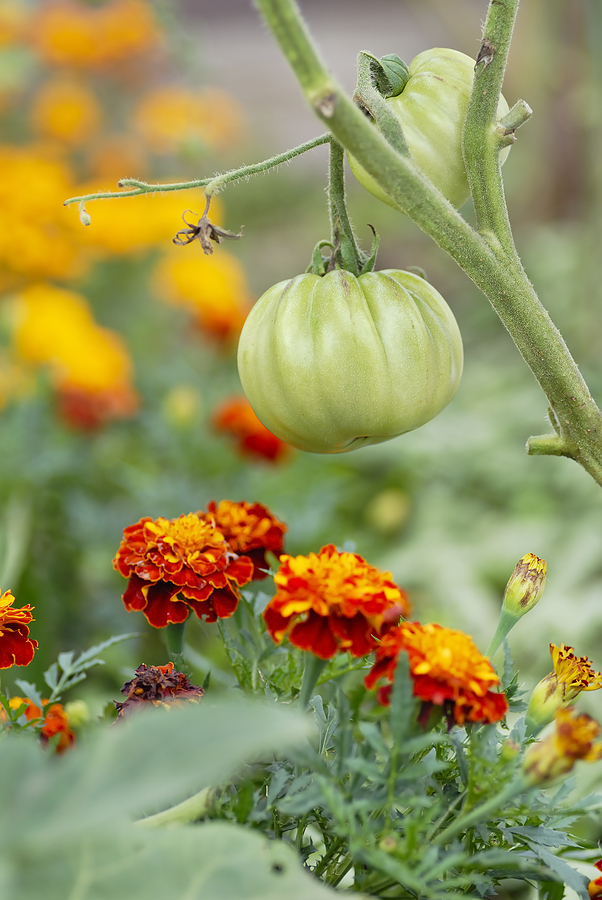
2. Marigolds
Marigold are popular companion flowers for vegetable gardens.
Benefits
- Attract beneficial insects
- Add biodiversity
- May help suppress some soil nematodes
French marigolds work especially well along bed edges.
3. Green Onions and Chives
Scallion and Chive fit neatly around tomatoes.
Why I Use Them
Their narrow growth habit saves space while helping diversify the planting area.
4. Lettuce
Lettuce grows well beneath larger tomato plants.
Advantages
- Shades soil
- Reduces weed growth
- Makes excellent use of partial shade under mature tomatoes
In my garden, lettuce often lasts longer in summer when shaded by tomato foliage.
Plants to Avoid Near Tomatoes
Avoid planting tomatoes near:
- potatoes,
- corn,
- and fennel
These can compete heavily or increase disease and pest pressure.
Best Companion Plants for Peppers
Pepper benefit from companions that attract pollinators and conserve soil moisture.
1. Basil
Basil grows exceptionally well beside peppers.
Benefits
- Similar water and warmth needs
- Efficient use of space
- Attracts pollinators
2. Carrots
Carrot loosen soil beneath peppers.
Why This Combination Works
Peppers root relatively shallowly while carrots grow deeper underground.
This pairing uses vertical garden space efficiently.
3. Spinach
Spinach works as a living mulch beneath peppers during spring.
Benefits
- Helps cool soil
- Suppresses weeds
- Produces an early crop before peppers fully mature
4. Nasturtiums
Nasturtium are excellent companion flowers.
Why Gardeners Love Them
- Attract pollinators
- Draw aphids away from vegetables
- Spill beautifully from raised beds and containers
Plants to Avoid Near Peppers
Avoid planting peppers near:
- fennel,
- kohlrabi,
- or overcrowded brassicas
Poor airflow around peppers increases disease problems.
Best Companion Plants for Cucumbers
Cucumber benefit from companions that attract pollinators and discourage cucumber pests.
1. Dill
Dill is one of my favorite cucumber companions.
Benefits
- Attracts pollinators
- Draws beneficial insects
- Supports predatory wasps and hoverflies
When dill flowers near cucumbers, pollinator activity noticeably increases.
2. Radishes
Radish are often planted near cucumbers.
Why They Help
Radishes mature quickly and help maximize early-season space.
Some gardeners also believe they help deter cucumber beetles.
3. Bush Beans
Green bean pair well with cucumbers.
Benefits
- Improve soil biodiversity
- Help utilize nearby growing space efficiently
4. Sunflowers
Sunflower attract pollinators and can support climbing cucumber vines.
My Experience
I sometimes grow cucumbers along sunflowers in summer gardens for vertical production.
Plants to Avoid Near Cucumbers
Avoid planting cucumbers near:
- sage,
- potatoes,
- or overcrowded melon relatives.
Too many sprawling vines together can reduce airflow and increase mildew.
Best Companion Plants for Squash
Squash are heavy feeders that benefit from pollinator-friendly companions.
1. Nasturtiums
Nasturtiums work beautifully around squash plants.
Benefits
- Attract pollinators
- Help distract aphids
- Provide living groundcover
2. Borage
Borage is one of the best pollinator plants for squash gardens.
Why It’s Valuable
Squash depends heavily on bee activity for pollination.
Borage attracts:
- honeybees,
- native bees,
- and beneficial insects.
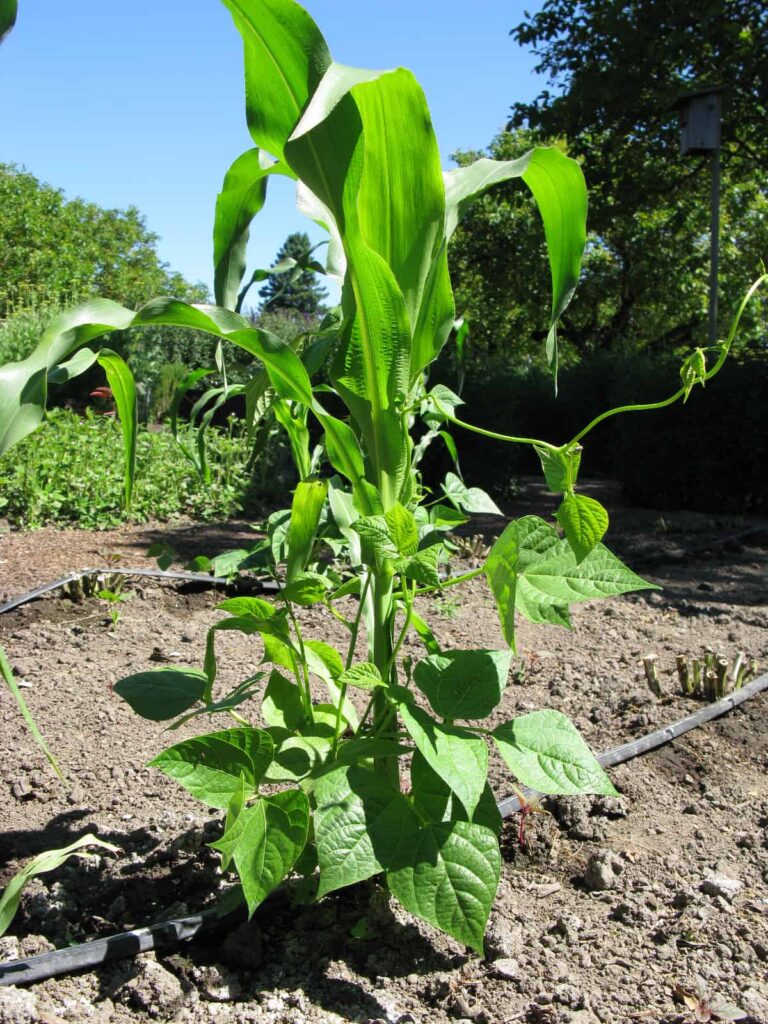
3. Corn
Corn and squash have long been grown together.
Traditional Benefits
Corn provides:
- light shade,
- wind protection,
- and vertical contrast.
This pairing echoes traditional Indigenous planting systems.
4. Beans
Beans complement squash well in mixed plantings.
Why This Combination Works
Beans help diversify planting density and contribute nitrogen to the soil ecosystem.
Plants to Avoid Near Squash
Avoid overcrowding squash with:
- too many cucurbits,
- potatoes,
- or plants that limit airflow.
Squash is highly susceptible to powdery mildew in crowded gardens.
Flowers That Benefit the Entire Vegetable Garden
Some companion plants work almost everywhere.
Calendula
Calendula attracts pollinators and beneficial insects.
Alyssum
Sweet alyssum attracts hoverflies and tiny beneficial predators.
Cosmos
Cosmos bring pollinators into summer gardens continuously.
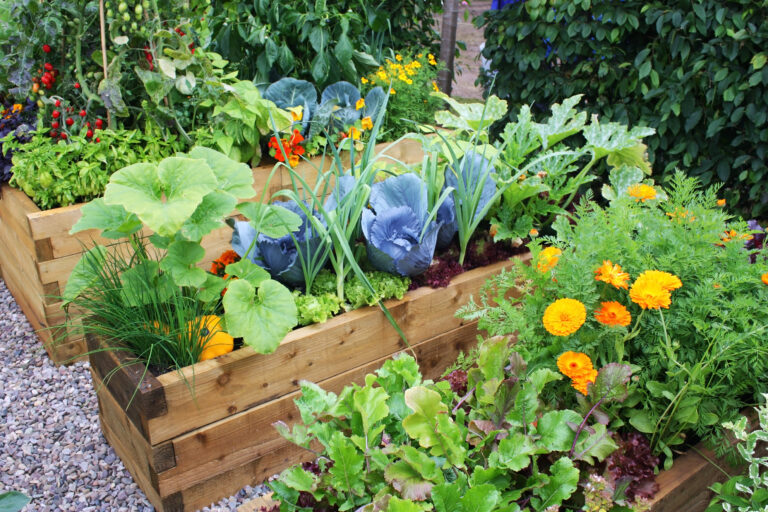
In my raised beds, flowers are not decorative extras—they are part of the pest management system.
Companion Planting Mistakes to Avoid
Overcrowding
Too many plants packed together reduce airflow and increase disease.
Ignoring Sunlight Needs
Tall companions should not shade sun-loving vegetables excessively.
Expecting Miracles
Companion planting supports healthy gardening practices, but it does not replace:
- crop rotation,
- healthy soil,
- watering,
- or pest monitoring.
Forgetting Pollinators
Vegetable gardens become far more productive when flowers bloom continuously nearby.
My Companion Planting Approach
Over the years, I’ve learned that successful companion planting is less about rigid rules and more about creating diversity.
Healthy gardens include:
- flowers,
- herbs,
- vegetables,
- pollinators,
- and beneficial insects
all growing together.
In my garden, mixed plantings consistently outperform isolated rows of single crops.
Final Thoughts
Companion planting helps create a balanced vegetable garden that is healthier, more productive, and more resilient.
The best companions for tomatoes, peppers, cucumbers, and squash:
- improve pollination,
- reduce pest pressure,
- maximize space,
- and support stronger overall plant growth.
Even adding a few herbs and flowers among vegetables can noticeably improve garden health and harvest quality throughout the growing season.