Companion Planting in Containers (What Actually Works)

Companion planting sounds simple—pair the right plants and everything grows better. In containers, though, the rules are different.
Space is limited. Roots compete faster. Water and nutrients fluctuate more quickly.
I’ve been growing vegetables in containers for decades in Sonoma Valley. Here’s the truth:
👉 Most traditional companion planting advice doesn’t translate directly to containers.
Know What to Plant This Week
Every week I answer the gardener's most important question: what should I plant now? Get seasonal planting advice free — or go Pro for my full Soil Temperature Garden Report, with soil temperature, moisture, weather trends, and crop-by-crop recommendations.
But some strategies do work—and they can increase yield, reduce pests, and improve plant health when applied correctly.
What Companion Planting Really Means in Containers
In garden beds, companion planting relies on:
- Root interactions
- Soil biology
- Plant spacing over a wide area
In containers, success comes down to:
- Shared growing requirements
- Root compatibility
- Above-ground benefits (shade, pest confusion, pollination)
👉 Think less about “plant friendships” and more about functional pairings.
What Actually Works (Proven Pairings)
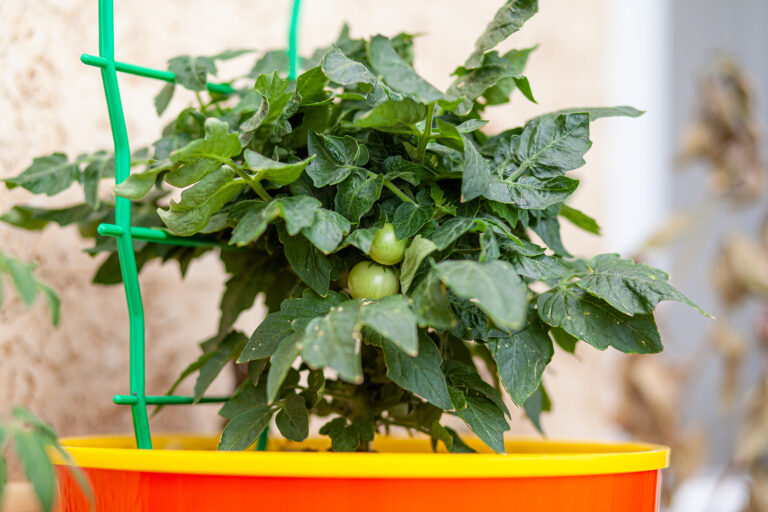
1. Basil + Tomatoes (Flavor + Growth Support)
This is one pairing that works well—even in containers.
Why it works:
- Similar water and nutrient needs
- Basil helps attract pollinators
- May help reduce pest pressure
👉 I often plant basil around container tomatoes—it’s efficient and productive.
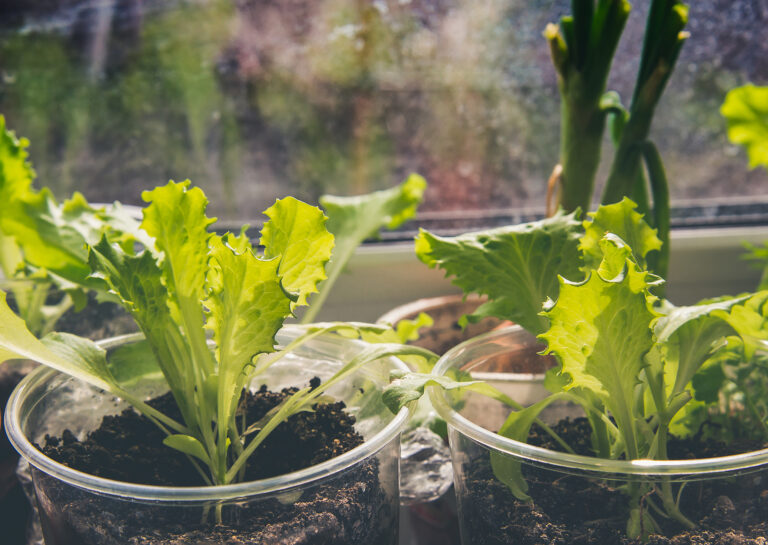
2. Lettuce + Taller Crops (Natural Shade)
Lettuce benefits from partial shade, especially in warm climates.
Good pairings:
- Lettuce + tomatoes
- Lettuce + peppers
Why it works:
- Taller plants reduce heat stress
- Extends lettuce harvest window
3. Carrots + Radishes (Root Spacing Efficiency)
These can share space if container depth is sufficient.
Why it works:
- Radishes mature quickly
- Carrots continue growing after radishes are harvested
👉 This is more about timing than interaction.
4. Flowers + Vegetables (Pollination Boost)
Adding flowers improves productivity.
Best options:
- Marigolds
- Nasturtiums
Why it works:
- Attract pollinators
- Help deter some pests
👉 Even in containers, flowers increase fruit set.
What Does NOT Work (Common Mistakes)
1. Overcrowding
Too many plants in one container leads to:
- Root competition
- Nutrient depletion
- Reduced yields
👉 In containers, space is yield.
2. Mixing Different Water Needs
Avoid pairing:
- Drought-tolerant herbs with thirsty vegetables
Example:
- Rosemary + tomatoes = poor match
3. Deep Roots + Shallow Containers
Large root crops struggle when forced to share tight space.
4. Believing “Magic Pairings”
There’s little evidence that:
- One plant dramatically boosts another’s growth in containers
👉 Focus on compatibility—not folklore.
Container Companion Planting Rules (That Work)
Follow these, and you’ll see results:
- Match plants with similar water needs
- Match plants with similar nutrient demands
- Combine different growth habits (tall + low)
- Avoid overcrowding
- Prioritize root space
Tools That Make Companion Planting Work Better
Better setups improve success rates:
👉 The right container setup matters more than the pairing itself.
Quick Companion Planting Checklist
Before pairing plants in containers:
- Do they need the same amount of water?
- Do they require similar feeding?
- Is there enough root space?
- Will one shade or crowd the other?
- Do they provide a functional benefit (shade, pollination)?
My Perspective (What Actually Works)
After decades of container gardening, here’s what I’ve learned:
👉 Companion planting works in containers—but for different reasons than in-ground gardening.
In my garden, success comes from:
- Matching plant needs
- Managing root space
- Using structure (height, shade, airflow)
Not from traditional “companion charts.”
Final Takeaway
Companion planting in containers isn’t about magical pairings—it’s about smart combinations.
Focus on:
- Compatibility
- Space
- Function
Do that, and your containers will be more productive, efficient, and easier to manage.