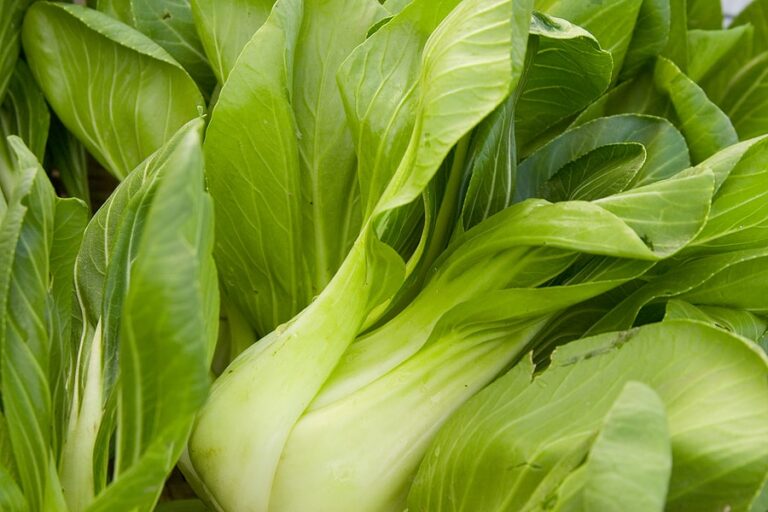
Storing Bok Choy for Maximum Freshness

Bok choy is at its best when crisp, juicy, and brightly colored—but it can wilt or yellow quickly if stored improperly. After many years harvesting bok choy from my year-round garden, I’ve learned the storage methods that keep it fresh the longest, whether you’re storing whole heads or loose leaves straight from the garden. Here’s how to handle, clean, and store bok choy so it stays at peak quality for as long as possible.
Harvest at the Right Time for Best Storage
Freshness starts in the garden. Bok choy holds up longest when:
- Harvested early in the morning
- Leaves are fully hydrated
- Plants have not yet begun to bolt
- Outer leaves are trimmed and clean
In my experience, cool-weather bok choy stores much better than heat-stressed plants.
Do You Wash Bok Choy Before Storing?
You have two options:
1. Store Unwashed (Best for Long Storage)
- Shake off soil.
- Remove damaged leaves.
- Do not rinse.
- Store in a paper towel–lined bag.
This keeps moisture levels low and prevents rot.
2. Store Washed (Best when using soon)
- Rinse thoroughly to remove soil.
- Spin or pat completely dry.
- Store in a breathable container.
Use within 3–4 days.
In my kitchen, washed bok choy gets used the fastest, while unwashed heads last nearly twice as long.
The Best Ways to Store Bok Choy
Method 1: Loose in a Vented Bag (Most Reliable)
- Place bok choy in a plastic or reusable produce bag.
- Add a dry paper towel to absorb excess moisture.
- Keep the bag slightly open for airflow.
- Store in the vegetable drawer.
Shelf life: 5–7 days for whole heads; 3–5 days for loose leaves.
Method 2: Wrapped in a Damp Towel (For Mildly Wilted Greens)
- Lightly dampen a clean towel.
- Wrap bok choy loosely.
- Place in an unsealed bag or container.
Shelf life: 3–5 days.
This method helps revive bok choy that wilted slightly during harvest.
Method 3: Submerged in Water (Short-Term Crisping Method)
- Trim the stem base.
- Place roots/stems in a jar of cold water like a bouquet.
- Keep in the refrigerator.
Shelf life: 2–3 days.
I use this method when I need crunchy leaves for stir-fries or salads the same day.
Freezing Bok Choy (For Long-Term Storage)
Freezing won’t keep bok choy crisp, but it works well for soups and stir-fries.
How to Freeze Bok Choy:
- Wash and chop.
- Blanch 2 minutes in boiling water.
- Cool in ice water.
- Pat dry.
- Freeze on a tray, then transfer to bags.
Freezer life: up to 10 months.
Signs Your Bok Choy Is No Longer Fresh
- Yellowing leaves
- Slimy or wet spots
- Limp, floppy stalks
- Brown streaking on the stems
- Strong or sour odor
A little yellowing is normal after a week, but slimy spots mean it’s time for composting.
My Best Storage Tips From the Garden and Kitchen
- Harvest at dawn for maximum crispness.
- Keep greens shaded immediately after harvest.
- Store unwashed for the longest lifespan.
- Avoid sealing bok choy in airtight bags—it needs airflow.
- Don’t wash until just before cooking unless absolutely necessary.
These small steps make a noticeable difference in how long bok choy stays usable.
Final Thoughts
Bok choy stores beautifully when handled with care from harvest to refrigerator. With proper preparation—whether storing whole heads, loose leaves, or prepped greens—you can keep bok choy crisp for up to a full week and sometimes longer. These storage techniques have consistently worked in my year-round kitchen garden, and they’ll help you enjoy every harvest at its freshest.
Bok Choy Learning Hub
Start here: The Ultimate Guide to Growing Bok Choy
Bok Choy Planting & Timing
- When to Plant Bok Choy for Spring, Summer, and Fall
- Bok Choy Planting Calendar: Month-by-Month Guide
- Best Growing Conditions for Tender, Bolt-Resistant Bok Choy
Starting, Transplanting & Direct Sowing
- How to Start Bok Choy Indoors Under Lights
- Direct Sowing Bok Choy for Fast, Tender Harvests
- How to Transplant Bok Choy Without Triggering Bolting
Bok Choy Care
- Watering Bok Choy: Keeping Plants Tender and Not Tough
- How to Fertilize Bok Choy for Fast, Leafy Growth
- How to Prevent Bok Choy from Bolting (Heat, Stress & Day Length)
Pests & Diseases
Harvest & Storage
Containers & Small Spaces
Varieties
- Best Bok Choy Varieties for Home Gardeners
- Baby Bok Choy Varieties for Fast, Tender Yields
- Heat-Tolerant and Bolt-Resistant Bok Choy Varieties
Companion Planting