Rutabaga vs Turnip: How to Tell the Difference and When to Grow Each

Rutabagas and turnips are often confused because both are cool-season root crops with similar growth habits. After more than 30 years of gardening in raised beds and mild-winter Sonoma Valley, I’ve learned to distinguish them by flavor, size, growth cycle, and best planting timing. Knowing these differences ensures you harvest tender, sweet roots every season.
🌱 Key Differences
1. Flavor and Texture
- Rutabaga: Sweet, mild, dense; ideal for mashing, roasting, or winter storage.
- Turnip: Slightly peppery, lighter texture; best for fresh eating, quick roasting, or pickling.
My experience: Rutabagas store longer and develop sweetness after a few frosts, while turnips are best harvested young.
2. Size and Shape
- Rutabaga: Larger, round to slightly flattened, often purple-topped with cream flesh.
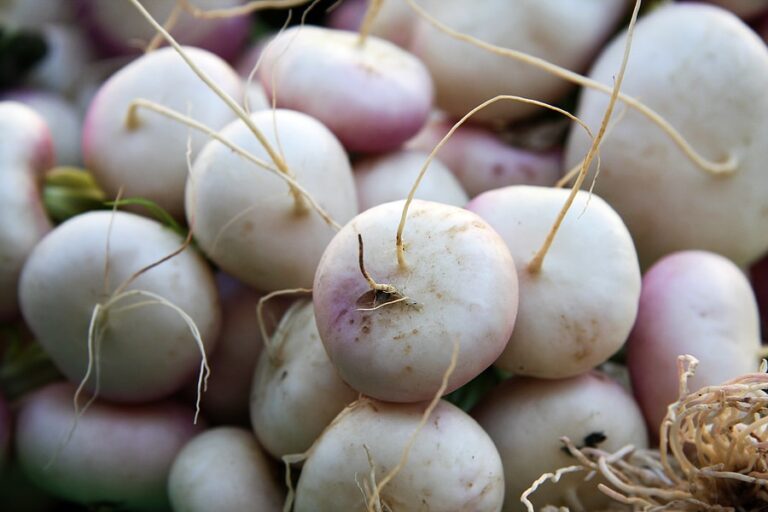
- Turnip: Smaller, white or white-purple, more uniform in shape.
My experience: If roots exceed 4–5 inches in diameter, they are usually rutabagas; smaller, tender roots are turnips.
3. Growing Season
- Rutabaga: 90–100 days; grows best in cool fall/winter.
- Turnip: 40–60 days; ideal for quick fall crops or early spring.
My experience: I plant turnips first for early fall harvest, then rutabagas for late fall and winter storage.
4. Soil and Care
- Both prefer loose, well-drained soil with consistent moisture.
- Rutabagas are more sensitive to uneven watering and nutrient stress, which can make roots woody.
- Turnips tolerate faster cycles and lighter soils.
🌿 Planting Recommendations
Turnips
- Sow seeds ½ inch deep, 1–2 inches apart.
- Thin to 3–4 inches.
- Harvest young for best flavor.
Rutabagas
- Sow seeds ½ inch deep, 2–3 inches apart.
- Thin to 6–8 inches.
- Provide steady moisture and mulch for winter flavor.
My experience: Interplanting turnips as an early crop around rutabaga seedlings maximizes bed productivity.
Quick Comparison Table
| Feature | Rutabaga | Turnip |
|---|---|---|
| Days to harvest | 90–100 | 40–60 |
| Flavor | Sweet, dense | Mild, peppery |
| Root size | Large | Small |
| Best use | Mashing, roasting, storage | Fresh, quick cooking, pickling |
Rutabaga Learning Hub
Start here: How to Plant, Grow, and Harvest Rutabaga: A Complete Guide
Planting, Timing & Setup
- When to Plant Rutabaga for Fall and Winter Harvests
- Where Rutabaga Grows Best: Soil, Sun, and Bed Preparation
- Rutabaga Seed Starting Tips
- Rutabaga Spacing Guide: Row Layout, Thinning, and Root Development
- How to Grow Rutabaga in Raised Beds
- Growing Rutabaga in Containers: Pot Size, Soil Mix, and Yield Tips
Care, Water & Feeding
- How to Water and Feed Rutabaga at Every Growth Stage
- Rutabaga Care Guide: Mulching, Weeding, and Root Protection
Companions & Intercropping
- Best Companion Plants for Rutabaga (and What to Avoid)
- How to Interplant Rutabaga with Carrots, Turnips, and Brassicas
Pests, Diseases & Troubleshooting
- Rutabaga Pests and Diseases and How to Control Them Naturally
- Why Rutabaga Roots Turn Woody or Bitter—and How to Prevent It
Harvest, Storage & Kitchen
- How to Harvest and Store Rutabaga
- How to Preserve Rutabaga: Freezing, Fermenting, and Canning Options
- Seven Ways to Cook and Serve Rutabaga
Varieties & Background