Powdery Mildew on Squash: Prevention and Treatment

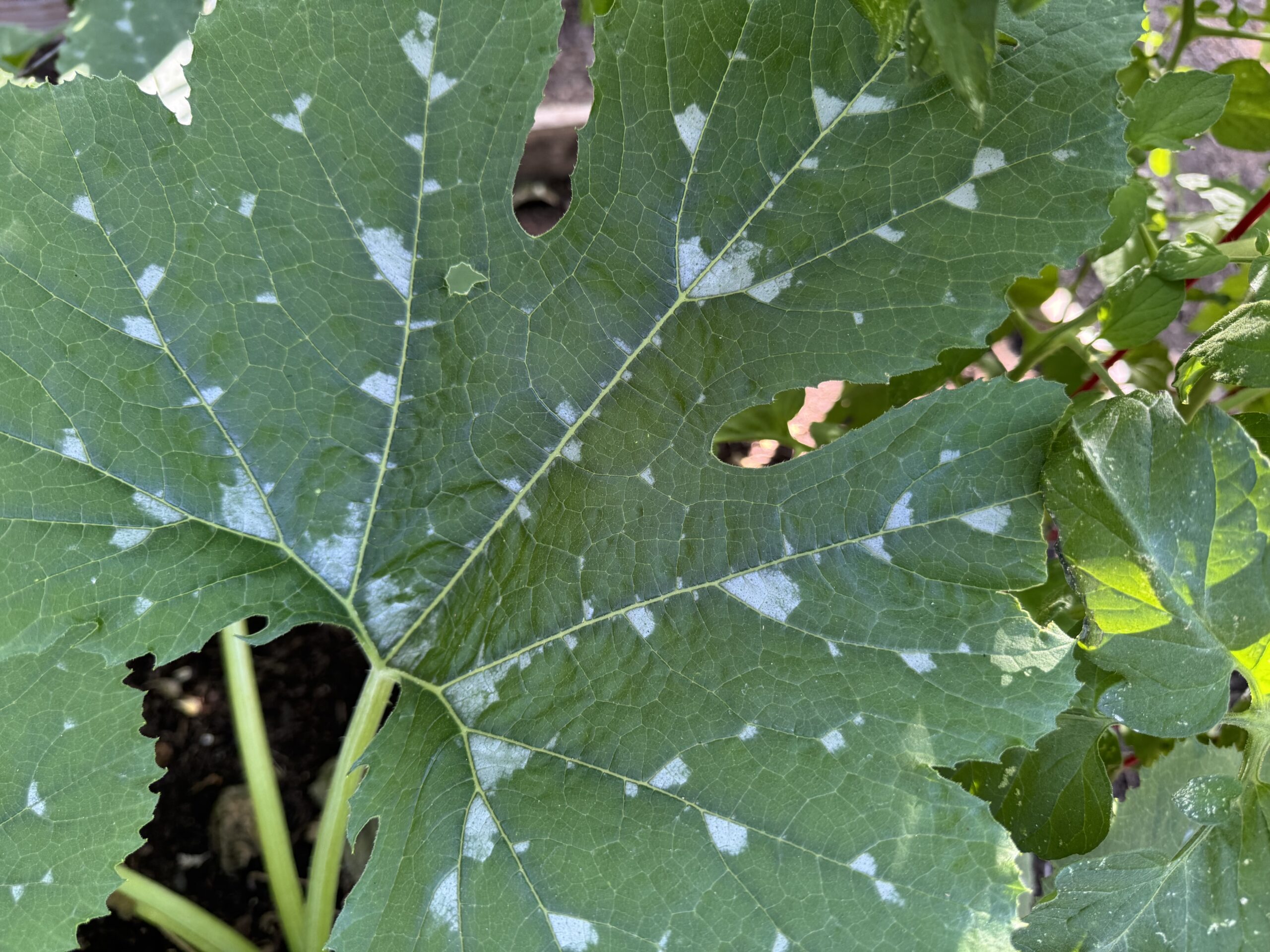
Few problems are more frustrating for squash growers than seeing healthy green leaves slowly covered with a white, powdery coating.
Powdery mildew is one of the most common diseases affecting zucchini, summer squash, pumpkins, and other members of the squash family. It often appears in midsummer when plants are large, temperatures are warm, and humidity levels fluctuate.
Although powdery mildew rarely kills squash plants immediately, severe infections reduce the plant’s ability to produce energy. As leaves decline, plants may produce fewer flowers, smaller fruit, and shorter harvests.
The good news is that powdery mildew can often be prevented, slowed, and managed with good gardening practices.
Know What to Plant This Week
Every week I answer the gardener's most important question: what should I plant now? Get seasonal planting advice free — or go Pro for my full Soil Temperature Garden Report, with soil temperature, moisture, weather trends, and crop-by-crop recommendations.
After decades of growing squash in my home gardens and market garden, and gardening in Iowa, eastern Massachusetts, and Northern California, I’ve learned that prevention is far easier than trying to rescue severely infected plants. Good spacing, healthy soil, proper watering, and regular observation have always been my best defenses against this common summer problem.
What Is Powdery Mildew?
Powdery mildew is a group of fungal diseases that affect many vegetable crops, including:
- Zucchini
- Yellow squash
- Cucumbers
- Pumpkins
- Melons
- Winter squash
Unlike many fungal diseases, powdery mildew does not require wet leaves to spread.
The spores travel through the air and settle on plant surfaces. Once established, the fungus grows across leaves, creating the familiar white or gray powdery coating.
Signs of Powdery Mildew on Squash Plants
Early detection makes management much easier.
Common symptoms include:
- White powdery patches on leaves
- Yellowing leaves
- Brown or dying foliage
- Reduced plant vigor
- Fewer flowers
- Smaller fruit
The disease usually begins on older leaves and gradually spreads throughout the plant.
Why Squash Gets Powdery Mildew
Several conditions encourage powdery mildew.
Crowded Plants
Poor air circulation creates the ideal environment for fungal growth.
Dense foliage traps humidity around leaves and slows drying.
Avoid overcrowding plants by:
- Following recommended spacing.
- Removing some older leaves if plants become extremely dense.
- Growing vertically when appropriate.
Warm Days and Cool Nights
Powdery mildew often appears when:
- Days are warm.
- Nights are cooler.
- Humidity fluctuates.
This combination is common in late summer gardens.
In Northern California, warm days followed by cool nights create conditions where powdery mildew can become a regular late-season challenge.
Plant Stress
Stressed plants are more vulnerable.
Stress can come from:
- Drought
- Poor nutrition
- Root damage
- Excessive heat
- Overcrowding
Healthy plants tolerate disease pressure much better.
Does Powdery Mildew Kill Squash Plants?
Usually, no.
Many squash plants continue producing even with some powdery mildew.
However, severe infections can reduce the plant’s ability to photosynthesize.
This may result in:
- Fewer flowers
- Smaller squash
- Earlier plant decline
- Shorter harvest season
The goal is not always to eliminate every spot—it is to keep enough healthy foliage for continued production.
How to Prevent Powdery Mildew on Squash
Prevention begins before the disease appears.
Give Plants Enough Space
Proper spacing improves airflow.
Good air circulation helps leaves dry faster and reduces disease pressure.
Avoid planting squash too close together.
Water the Soil, Not the Leaves
Although powdery mildew does not require wet foliage, good watering practices still support healthier plants.
Water:
- At the base of plants.
- Early in the morning.
- Deeply and consistently.
Avoid frequent shallow watering.
Healthy roots help plants tolerate disease.
Apply Mulch
Mulch protects the root zone and reduces plant stress.
Benefits include:
- More consistent soil moisture
- Cooler roots
- Less evaporation
- Healthier growth
Good mulch choices include:
- Straw
- Compost
- Shredded leaves
- Grass clippings
Keep Plants Growing Strong
Healthy plants are better able to withstand powdery mildew.
Support growth with:
- Compost added before planting.
- Balanced fertilizer if needed.
- Consistent irrigation.
- Regular harvesting.
Avoid excessive nitrogen, which creates lush, soft growth that can be more vulnerable.
Choose Resistant Varieties
Many newer squash varieties have improved resistance to powdery mildew.
When selecting seeds or transplants, look for varieties described as:
- Powdery mildew resistant
- Disease resistant
- Suitable for humid climates
Resistance does not always mean immunity, but it can significantly slow disease development.
How to Treat Powdery Mildew on Squash
If powdery mildew appears, early action can help.
Remove Severely Infected Leaves
Remove leaves that are:
- Mostly covered with mildew
- Yellowing
- Dying
Dispose of infected leaves rather than composting them if your compost pile does not heat sufficiently.
Do not remove all foliage—plants still need leaves for photosynthesis.
Use Organic Treatments
Several treatments may help slow powdery mildew.
Common options include:
- Neem oil products
- Horticultural oils
- Sulfur-based products
- Potassium bicarbonate sprays
- Baking soda-based sprays
Always follow product directions carefully, especially during hot weather. Some sprays can damage leaves when applied during high temperatures.
Improve Air Circulation
Reduce disease pressure by:
- Removing crowded foliage.
- Training vines when possible.
- Avoiding excessive plant density.
Air movement is one of the best natural defenses.
Should You Cut Off All Squash Leaves With Mildew?
No.
Removing every affected leaf can weaken the plant more than the disease itself.
Instead:
- Remove the worst leaves.
- Keep healthy green foliage.
- Monitor the plant regularly.
A squash plant with some powdery mildew can still produce a good harvest.
Continue Harvesting Squash
Do not stop harvesting because plants have mildew.
Regular harvesting encourages continued production.
Pick squash:
- Every day during peak season.
- Every one to two days when production is high.
Removing mature fruit helps the plant direct energy toward new growth.
Growing Squash in Different Climates
Growing squash in Iowa, Massachusetts, and California taught me that powdery mildew appears for different reasons depending on the region.
In Iowa, humid summers often created conditions where mildew developed quickly on dense plants. Massachusetts gardens sometimes experienced mildew late in the season as temperatures cooled and humidity increased. In Northern California, powdery mildew often appeared during late summer when warm days were followed by cool nights.
In every garden, the strongest plants—with healthy roots, good airflow, and consistent moisture—always handled disease pressure better.
My Home Garden and Market Garden Experience
In my market garden, powdery mildew was almost expected by late summer.
The goal was not always to keep every leaf perfect. Instead, the goal was to maintain enough healthy foliage to keep plants producing.
Regular scouting became part of my routine. I looked beneath leaves, removed declining foliage, maintained irrigation, and harvested squash frequently.
In my home garden, I follow the same approach. A few powdery mildew spots are not a reason to remove productive plants. With proper care, squash can continue producing well into the season.
Frequently Asked Questions
Can squash survive powdery mildew?
Yes. Squash plants often continue producing even when affected, especially if the disease is managed early.
Is powdery mildew caused by watering squash leaves?
No. Powdery mildew spreads through airborne spores and does not require wet leaves, although proper watering supports healthier plants.
Should I remove squash leaves with powdery mildew?
Remove severely infected or dying leaves, but keep healthy foliage to support photosynthesis.
Can baking soda treat powdery mildew on squash?
Baking soda-based sprays may help slow mildew development, but they should be used carefully and according to recommended rates.
Does powdery mildew spread to other vegetables?
Yes. Many plants in the squash family and other vegetable crops can be affected by powdery mildew.
Should I stop watering squash plants if they have mildew?
No. Continue watering deeply and consistently. Drought stress makes plants less able to tolerate disease.
Will powdery mildew kill my zucchini plant?
Usually not, but severe infections can reduce production and shorten the plant’s productive life.
When is powdery mildew most common on squash?
It is most common in midsummer and late summer when warm days, cool nights, and fluctuating humidity occur.
The Bottom Line
Powdery mildew on squash is common, but it does not have to end your harvest.
Healthy soil, proper spacing, consistent watering, good airflow, resistant varieties, and early treatment can keep plants productive even when mildew appears.
After decades of growing squash in home gardens and market gardens, I’ve learned that successful gardening is not about preventing every problem—it is about recognizing problems early and helping plants stay productive. A little attention during the season can mean weeks of additional zucchini, yellow squash, and summer harvests.