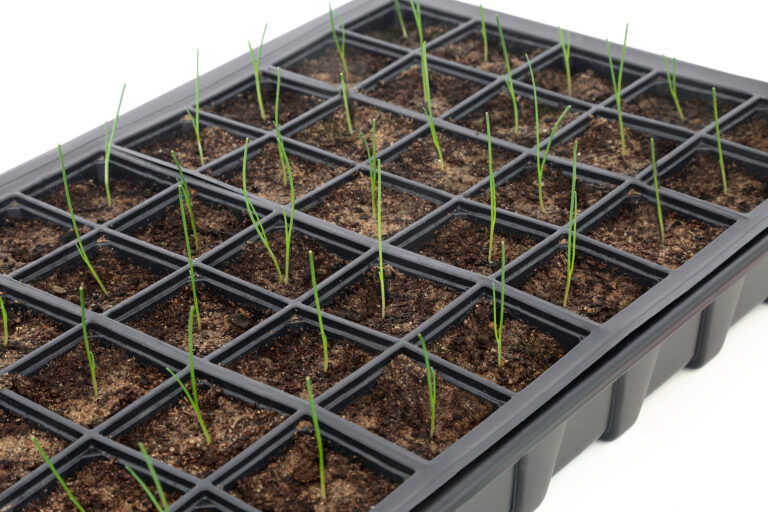
November Vegetable Garden Seed-Starting & Planting Guide

November is the month when the garden settles into winter mode. In most regions, planting slows or stops altogether, and the focus turns to protecting crops, caring for soil, and harvesting what remains. In mild climates, however, November is still an active planting window for cool-season vegetables that will mature through winter and early spring. What you do now—whether planting, protecting, or mulching—sets the foundation for the months ahead.
Zone-by-Zone Seed-Starting Guide for November
Listed by USDA Plant Hardiness Zones, warmest zones first:
Zone 11
(Where the annual low temperatures stay above 40°F / 4°C.)
- Continue sowing cool-season vegetables.
- Direct-sow lettuce, spinach, arugula, mustard, and Asian greens.
- Sow carrots, beets, radishes, turnips, and scallions.
- Plant garlic and shallots.
- Plant brassica transplants for late winter harvest.
- Mulch lightly.
- Water consistently.
Zone 10
(Where the annual low temperatures can reach 30°F / -1°C.)
- Direct-sow leafy greens and root crops.
- Plant garlic and shallots.
- Transplant broccoli, cabbage, kale, and cauliflower.
- Sow peas and fava beans.
- Mulch beds to protect soil moisture.
- Use row cover during cold snaps.
Zone 9
(Where the annual low temperatures can reach 20°F / -7°C.)
- Continue planting cool-season crops early in the month.
- Direct-sow lettuce, spinach, radishes, carrots, and beets.
- Plant garlic and shallots.
- Transplant hardy greens and brassicas.
- Use row cover as nights cool.
- Monitor soil moisture.
Zone 8
(Where the annual low temperatures can reach 10°F / -12°C.)
- Finish planting garlic and shallots.
- Direct-sow spinach, lettuce, and radishes early in the month.
- Transplant hardy greens if not already done.
- Protect beds with mulch.
- Install row covers or low tunnels.
- Reduce watering as growth slows.
Zone 7
(Where the annual low temperatures can reach 0°F / -18°C.)
- Focus on protection rather than planting.
- Plant garlic early in the month.
- Protect existing greens and brassicas.
- Harvest remaining root crops.
- Mulch beds after hard frosts.
- Use row covers or cold frames.
Zone 6
(Where the annual low temperatures can reach -10°F / -23°C.)
- Complete garlic planting early in the month.
- Harvest remaining vegetables.
- Mulch beds heavily.
- Protect overwintering crops.
- Clean up spent plants.
- Focus on soil care.
Zone 5
(Where the annual low temperatures can reach -20°F / -29°C.)
- End planting activities.
- Harvest remaining crops.
- Apply thick mulch to beds.
- Protect soil from erosion.
- Store tools and supports.
- Plan next season’s garden.
Zone 4
(Where the annual low temperatures can reach -30°F / -34°C.)
- Focus on winter protection.
- Harvest remaining crops.
- Mulch beds deeply.
- Use cold frames where possible.
- Clean up garden debris.
- Prepare for winter dormancy.
Zone 3
(Where the annual low temperatures can reach -40°F / -40°C.)
- Cease planting.
- Harvest final crops before deep freezes.
- Apply heavy mulch.
- Protect soil and perennial beds.
- Store garden equipment.
- Shift focus to planning and observation.
November Fall/Winter Transition: Looking Ahead
By November, the garden is settling into winter mode. In most zones, growth slows, and planting activity is minimal, but careful protection now ensures that winter and early spring crops thrive. Continue harvesting cool-season greens and root crops, protect perennials and brassicas with mulch or row covers, and prepare beds for early spring sowings. Planning, cleanup, and soil care this month lay the groundwork for a productive start to the next growing season.