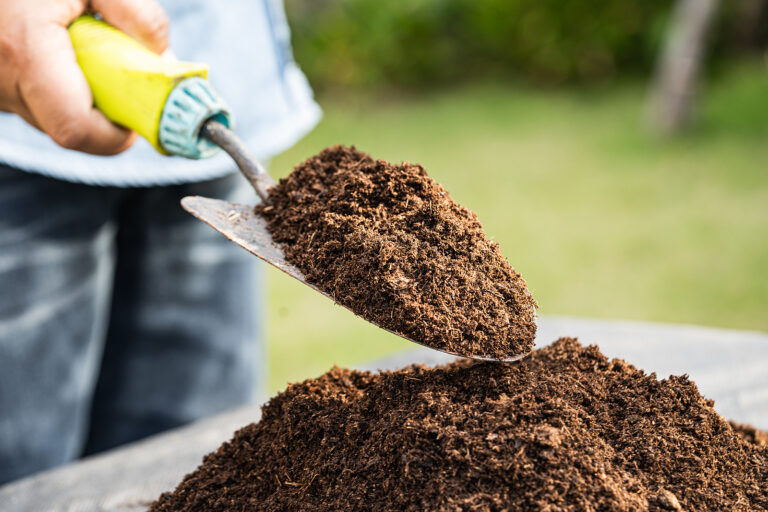
Mulching for Regeneration: Moisture, Microbes, and Soil Protection

Mulching is a cornerstone practice in regenerative gardening, providing multiple benefits that go far beyond simple soil coverage. By applying organic materials to the soil surface, gardeners can retain moisture, feed beneficial microbes, suppress weeds, and protect soil structure, all while building long-term fertility and resilience.
Why Mulching Supports Regeneration
Mulch acts as a living blanket, supporting the soil ecosystem in several ways:
- Conserves Moisture: Reduces evaporation, keeping roots hydrated and minimizing irrigation needs.
- Feeds Soil Life: As organic mulch decomposes, it fuels bacteria, fungi, and earthworms, enriching the soil food web.
- Suppresses Weeds: Blocks sunlight to prevent weed germination and competition with crops.
- Protects Soil Structure: Shields soil from erosion, compaction, and temperature extremes.
- Builds Long-Term Fertility: Decomposed mulch adds organic matter, enhancing nutrient retention and soil tilth.
Types of Mulch for Regenerative Gardens
- Straw or Hay: Adds organic matter and decomposes at a moderate rate.
- Leaves: Abundant, slow to break down, excellent for winter coverage.
- Grass Clippings: Nitrogen-rich, ideal in thin layers to avoid matting.
- Shredded Bark or Wood Chips: Long-lasting, improves structure, but slower to release nutrients.
- Living Mulches: Low-growing cover crops that protect soil while feeding microbes.
Application Tips for Maximum Benefit
- Depth: Apply 2–4 inches for sufficient coverage without suffocating plants.
- Avoid Stem Contact: Prevent rot and disease by keeping mulch slightly away from plant bases.
- Refresh Regularly: Replenish as mulch decomposes to maintain consistent coverage.
- Combine with Compost: Layering compost beneath mulch boosts microbial activity and nutrient availability.
My Experience
In my decades of gardening, mulching transformed my beds. Straw and leaf mulch reduced water usage, encouraged earthworms, and supported robust fungal networks. Plants grew more resilient, weeds were fewer, and soil structure improved dramatically. Mulching has become an indispensable tool for building self-sustaining, regenerative soil.
The Regenerative Takeaway
Mulching is more than a soil cover—it’s a regenerative practice that nurtures microbes, conserves water, and protects soil, creating fertile, resilient beds that thrive season after season.