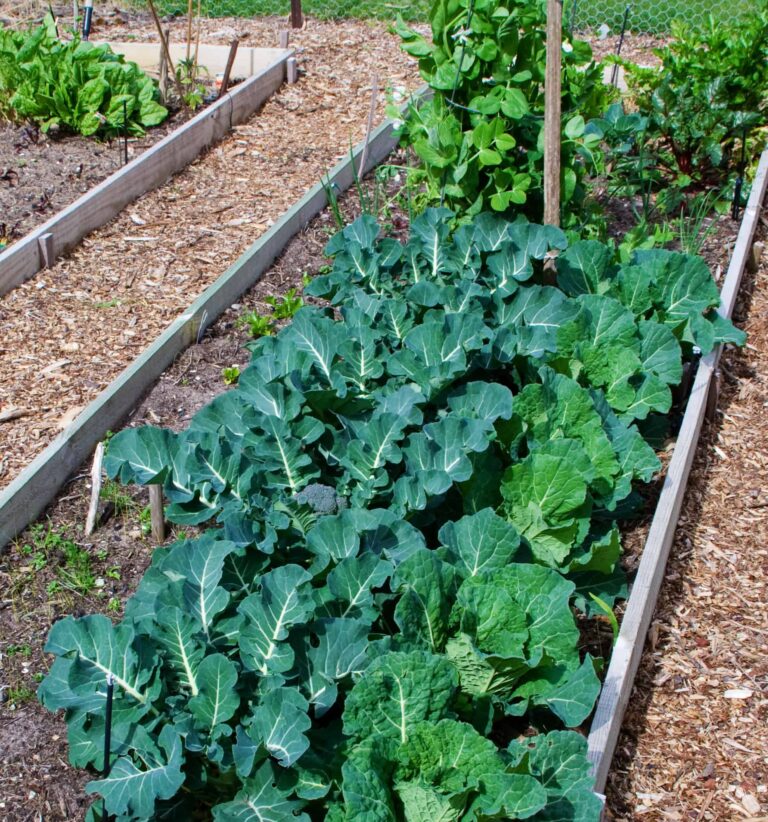
Mulching for Moisture, Microbes, and Weed Control

Mulch is one of the simplest yet most powerful tools in regenerative vegetable gardening. By covering the soil with organic materials, gardeners can conserve moisture, regulate soil temperature, feed soil life, and suppress weeds—all while improving soil structure over time. Mulching transforms the soil surface into a living, protective ecosystem that supports healthy crops.
Why Mulching Matters
Mulch provides multiple regenerative benefits:
- Moisture Retention: Organic mulch slows evaporation, keeping soil consistently damp for roots.
- Weed Suppression: Thick layers shade the soil, reducing weed germination and competition.
- Microbial Support: As mulch decomposes, it feeds bacteria, fungi, and earthworms that drive nutrient cycling.
- Temperature Regulation: Mulch insulates soil, protecting roots from extreme heat and cold.
- Soil Structure Improvement: Organic matter from mulch contributes to aggregation and long-term fertility.
Types of Mulch
- Straw or Hay: Light, decomposes relatively quickly, adds organic matter.
- Leaves: Readily available, slow decomposition, excellent for winter protection.
- Grass Clippings: Nitrogen-rich, best used in thin layers to avoid matting.
- Compost or Shredded Bark: Adds nutrients while suppressing weeds and retaining moisture.
- Living Mulches: Low-growing cover crops that shade soil while feeding microbes.
How to Apply Mulch Effectively
- Apply 2–4 Inches: Enough to cover soil but not smother young plants.
- Keep Away from Stems: Avoid direct contact to prevent rot or disease.
- Refresh Regularly: Replenish as mulch decomposes or washes away.
- Combine with Compost: Top-dressing with compost under mulch maximizes microbial benefits.
My Experience
Over decades of gardening, I’ve found mulching transforms beds. Straw and leaf mulch reduce irrigation needs, suppress weeds, and feed earthworms. Fungal networks flourish under decomposing mulch, improving nutrient availability. Beds that are mulched consistently produce stronger, more resilient vegetables while saving time on watering and weeding.
The Regenerative Takeaway
Mulching is more than soil coverage—it’s a living practice that nurtures soil health, water efficiency, and microbial diversity. In regenerative gardening, regular mulching builds fertile, resilient beds, reduces labor, and ensures healthier crops season after season.