How to Water and Fertilize Cardoon for Strong, Flavorful Stalks

Cardoon grows into a tall, statuesque plant, and it repays attentive watering and steady nutrition with thick, tender, flavorful stalks. Over the years I’ve learned that cardoon responds best to deep, consistent moisture and rich, balanced feeding—much like its close cousin, the artichoke. When the soil stays evenly moist and nutrients are available throughout the season, the stalks grow wide, mild, and easier to blanch.
Why Moisture Matters for Cardoon
Cardoon has a large leaf canopy and broad stalks that lose moisture quickly.
In my experience, when cardoon dries out even briefly, the plant reacts by toughening the leaf ribs and slowing growth. Consistent watering keeps the inner stalks juicy and mild.
My watering rule of thumb:
- Never let the top 2–3 inches of soil dry completely.
- Aim for deep watering once or twice a week depending on heat and soil type.
- Mulch heavily—I use chopped leaves or compost—to slow evaporation.
- Avoid overhead watering when possible; wet foliage increases the risk of mildew on the broad leaves.
In sandy soil, cardoon may need more frequent watering; in heavier clay, watering must be deep but less frequent to avoid soggy roots.
How to Water Cardoon for Best Flavor
Deep watering is key.
I use a slow soak, letting water infiltrate down to at least 10–12 inches. This encourages deep roots that support tall growth and reduces stress during heat spells. Plants that receive quick, shallow waterings tend to produce skinny, fibrous stalks.
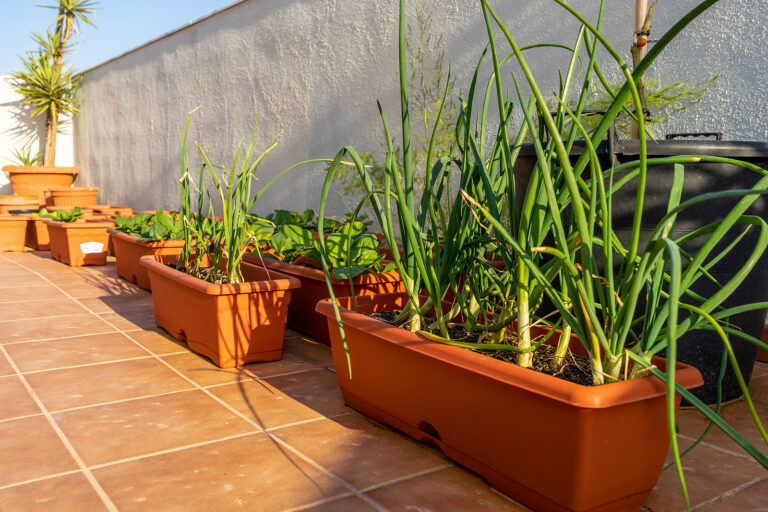
For row-grown cardoon, a drip line or soaker hose delivers moisture steadily and keeps foliage dry. For container-grown plants, I check soil moisture every other day in warm weather; container cardoon dries out faster and loses flavor if stressed.
Fertilizing Cardoon: What Works Best
Cardoon is a heavy feeder from spring through midseason. Nutrient-rich soil results in thicker, more flavorful stalks—especially if you plan to blanch them.
My go-to fertilizing routine:
- Before planting:
- Mix in compost generously.
- Add a balanced organic fertilizer such as 5-5-5 or 4-6-3.
- Early growth:
- Feed with a granular organic fertilizer every 4–6 weeks.
- Side-dress with compost to maintain soil fertility.
- During peak growth:
- Apply a liquid fish/seaweed feed every 2–3 weeks.
- This keeps growth vigorous and prevents stalls during hot weather.
I’ve found that nitrogen alone produces overly leafy plants with hollow stalks, so I choose balanced or slightly phosphorus-rich fertilizers to support dense, flavorful ribs.
Signs Your Cardoon Needs Water or Food
Watch the plant—it signals clearly:
- Wilting or drooping: Needs a deep soak.
- Tough, stringy ribs: Inconsistent moisture.
- Pale or yellowing leaves: Nutrient deficiency, often nitrogen or magnesium.
- Slow growth: Usually a lack of fertility or root restriction.
Respond early and the plant rebounds quickly.
Blanching Stalks Requires Steady Watering
If you plan to blanch cardoon for tender edible ribs, consistent moisture is essential during the weeks leading up to blanching. Dry spells before or during blanching can toughen the stalks, making them less palatable.
Cardoon Learning Hub
Start here: How to Plant, Grow, and Harvest Cardoon: A Complete Guide
Introduction to Cardoon
- About Cardoon: History, Botany, and How It Differs from Artichoke
- The Best Cardoon Varieties to Grow: Flavor, Size, and Garden Performance
- Cardoon Quick Growing Tips: Fast Reference Guide for Planting to Harvest
Planting Cardoon
- The Best Location for Cardoon: Soil, Sun, and Garden Bed Preparation
- When to Plant Cardoon: Seasonal Timing for Spring and Fall Gardens
- How to Plant Cardoon Step-by-Step: Spacing, Depth, and Establishment Tips
- Cardoon Companion Plants: What to Grow (and Not Grow) Nearby
- Growing Cardoon in Containers: Best Pot Sizes, Soil Mixes, and Care Tips
Caring for Cardoon
- How to Water and Fertilize Cardoon for Strong, Flavorful Stalks
- Cardoon Care Guide: Seasonal Maintenance, Mulching, and Overwintering Tips
- Cardoon Pests and Diseases: How to Identify, Prevent, and Treat Common Problems
Harvesting, Storage, and Kitchen