How to Start a Never-Till Garden From Scratch

Starting a never-till garden from scratch is about building fertile, structured soil without turning or disturbing it. This approach mimics natural ecosystems, letting biology do the work while you feed and protect the soil from above. Even if you are beginning on bare or compacted ground, you can create a thriving, low-maintenance garden by following a few key steps.
1. Choose Your Garden Location
- Pick a sunny, level area with good drainage.
- Avoid areas with standing water or extremely heavy clay unless you plan to amend carefully with organic matter.
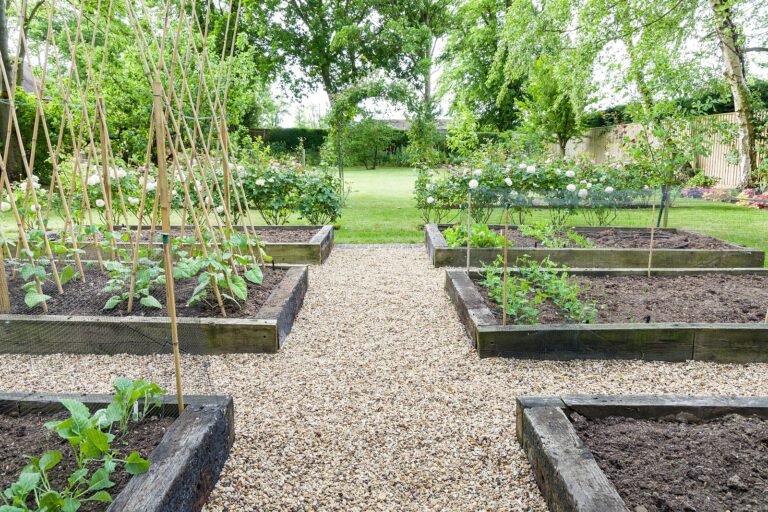
- Mark your garden beds and pathways clearly—paths should take all foot traffic, keeping beds untouched.
2. Prepare the Surface Without Digging
Never-till means no turning of soil. Instead:
- Clear the surface of large debris, rocks, or persistent weeds.
- Leave smaller vegetation; it can be smothered under mulch.
- If starting on grass or sod, layer cardboard or newspaper 2–4 sheets thick to suppress it. Wet thoroughly to help it settle.
3. Build Up Organic Matter
Feed the soil from above:
- Spread a 2–4 inch layer of compost over beds.
- Add shredded leaves, straw, or aged grass clippings as mulch.
- Avoid mixing these materials into the soil; let microbes, worms, and plant roots naturally incorporate them over time.
4. Use Cover Crops to Jumpstart Soil Life
Cover crops, also called green manures, improve structure and fertility:
- Daikon radish or alfalfa for deep loosening roots
- Buckwheat or clover for surface improvement and nitrogen fixing
- Sow seeds directly into the compost/mulch layer
- Let roots grow and decompose, creating channels and organic matter
5. Establish Permanent Beds and Paths
- Use raised or mounded beds if desired.
- Clearly define walkways to prevent foot traffic on beds.
- Permanent beds reduce future soil disturbance and help build layered fertility over years.
6. Plant Without Disturbing Soil
- Pull aside mulch to make a small planting hole.
- Insert seedlings or sow seeds directly.
- Replace mulch immediately around plants.
- Avoid large holes or tilling—even small-scale digging can disrupt soil biology.
7. Maintain Continuous Mulch and Soil Coverage
- Keep soil covered year-round with:
- Mulch
- Living cover crops
- Chopped crop residues
- Cover protects soil from compaction, erosion, and moisture loss while feeding microbial life.
8. Monitor and Adjust
- Observe plant growth and soil moisture.
- Topdress with compost if fertility seems low.
- Add mulch or cover crops as needed.
- Avoid ever turning or digging beds, even for corrections—small surface amendments suffice.
Why Start Never-Till From Scratch?
- Soil builds fertility faster because it is never disrupted.
- Weed pressure is reduced over time.
- Water retention and soil structure improve steadily.
- Labor and maintenance are minimized, making gardening more enjoyable.
- Your garden becomes increasingly resilient year after year.
Conclusion
Starting a never-till garden from scratch is about patience, layering organic matter, and feeding the soil naturally. With permanent beds, continuous mulch, cover crops, and careful planting, you can create a thriving, low-maintenance garden that improves every season without ever turning the soil.