How to Keep Cucumber Plants Producing

Few garden crops reward regular attention like cucumbers. When plants are healthy, they can produce a steady supply of crisp fruit for weeks. But many gardeners experience the same midsummer problem: the vines look healthy, yet production suddenly slows.
The good news is that cucumber plants are naturally productive when their basic needs are met. Regular harvesting, consistent moisture, healthy soil, and protection from stress can keep vines producing well into late summer.
After decades of growing cucumbers in my home gardens and market garden, and gardening in Iowa, eastern Massachusetts, and Northern California, I’ve learned that continuous cucumber harvests come from small, consistent actions. The gardeners who check plants often, harvest frequently, and respond quickly to stress usually enjoy the longest harvest season.
A cucumber plant does not stop producing because the season is over—it usually stops because something has changed.
Know What to Plant This Week
Every week I answer the gardener's most important question: what should I plant now? Get seasonal planting advice free — or go Pro for my full Soil Temperature Garden Report, with soil temperature, moisture, weather trends, and crop-by-crop recommendations.
Harvest Cucumbers Frequently
The most important thing you can do to keep cucumber plants producing is to harvest often.
Cucumber plants are designed to produce seeds. When mature cucumbers remain on the vine, the plant begins shifting energy toward seed development rather than creating new fruit.
Large, overripe cucumbers signal the plant that its job is nearly complete.
Harvest:
- Daily during peak production.
- Every one to two days during warm weather.
- Before fruit becomes oversized or yellow.
Frequent harvesting encourages the plant to continue producing new flowers and fruit.
Pick Cucumbers at the Right Size
The best harvest size depends on the variety.
Generally:
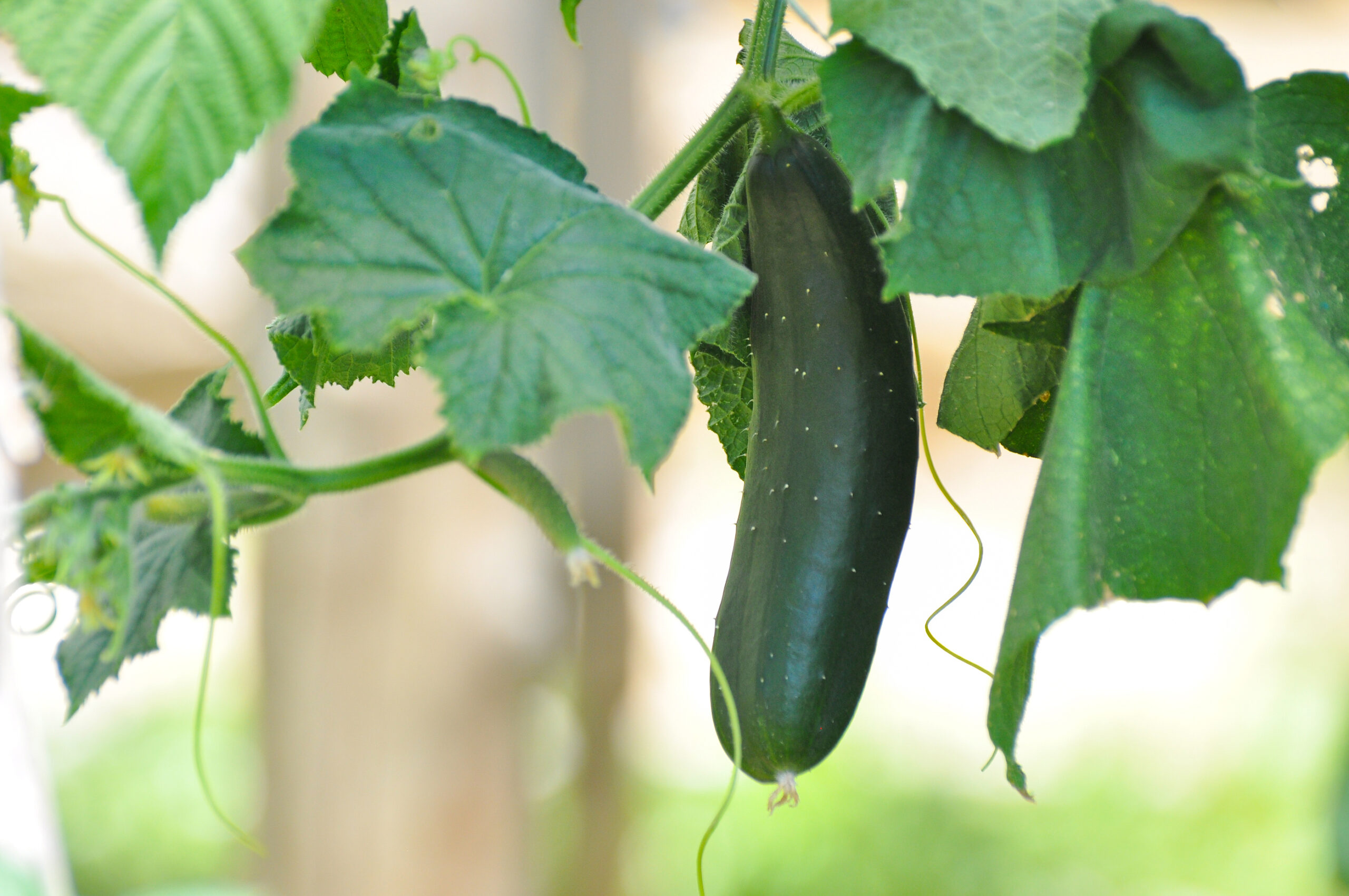
- Pick slicing cucumbers at 6 to 8 inches long.
- Harvest pickling cucumbers at 2 to 5 inches.
- Pick specialty varieties according to their recommended size.
Small, tender cucumbers usually have:
- Better flavor
- Fewer seeds
- Crisp texture
Waiting too long reduces eating quality and slows production.
Keep Soil Moisture Consistent
Cucumbers are fast-growing plants with high water needs.
Uneven watering can cause:
- Bitter fruit
- Misshapen cucumbers
- Blossom drop
- Reduced production
The goal is consistent moisture in the root zone.
Water deeply when the soil begins to dry, especially during hot weather.
In my California garden, maintaining steady soil moisture has always been one of the biggest factors in keeping cucumber vines productive during summer heat.
Mulch Around Cucumber Plants
Mulch is one of the easiest ways to extend cucumber production.
A 2- to 4-inch layer of organic mulch helps:
- Keep roots cooler.
- Reduce evaporation.
- Prevent soil moisture swings.
- Reduce weeds.
Good mulch choices include:
- Straw
- Compost
- Shredded leaves
- Grass clippings
Healthy roots support continuous flowering and fruit production.
Feed Cucumber Plants During the Season
Cucumbers are heavy feeders, especially when producing large quantities of fruit.
As the season progresses, plants may benefit from additional nutrients.
Good options include:
- Compost added around the base.
- Compost tea.
- Balanced vegetable fertilizer.
- Organic vegetable fertilizer.
Avoid excessive nitrogen.
Too much nitrogen can create:
- Large leaves
- Long vines
- Fewer flowers
- Reduced fruit production
The goal is healthy growth with plenty of flowers.
Encourage Pollinators
Cucumbers require pollination to produce fruit.
Poor pollination can result in:
- Small fruit that shrivels.
- Misshapen cucumbers.
- Flowers dropping without fruit.
Support pollinators by:
- Planting flowers nearby.
- Avoiding unnecessary pesticide use.
- Growing a variety of flowering plants.
If pollinators are scarce, hand pollination can help.
Transfer pollen from male flowers to female flowers using a small brush or by touching flowers together.
Provide Enough Sunlight
Cucumbers perform best with:
- Six to eight hours of direct sunlight.
- Warm soil.
- Good air circulation.
Plants growing in too much shade often produce:
- More leaves
- Fewer flowers
- Smaller harvests
As nearby plants grow taller during summer, changing light conditions can sometimes explain declining production.
Train Cucumbers Vertically
Growing cucumbers on a trellis can extend production.
Vertical growing improves:
- Air circulation
- Leaf health
- Harvest visibility
- Fruit quality
Trellised cucumbers are easier to harvest because fruit is not hidden beneath dense foliage.
Better airflow also helps reduce disease problems.
Watch for Disease
Healthy cucumber plants can produce for months, but diseases can shorten the harvest season.
Common problems include:
Powdery Mildew
Symptoms:
- White coating on leaves
- Yellowing foliage
- Reduced vigor
Downy Mildew
Symptoms:
- Yellow patches
- Leaf decline
- Rapid loss of foliage
Bacterial Wilt
Symptoms:
- Sudden wilting
- Vines collapsing
- Permanent decline
Inspect plants regularly so problems can be addressed early.
Protect Plants From Heat Stress
Cucumbers love warmth, but extreme heat can slow production.
Temperatures above 90°F (32°C) may cause:
- Blossom drop
- Reduced pollination
- Leaf stress
- Slower fruit growth
During heat waves:
- Water deeply in the morning.
- Apply mulch.
- Provide temporary shade if needed.
- Harvest frequently.
Healthy plants often resume production when temperatures moderate.
Replace Declining Plants With Succession Planting
Even the healthiest cucumber plants eventually decline.
A simple way to maintain continuous harvests is succession planting.
Start new cucumber plants every few weeks during the growing season.
This provides:
- Fresh vines
- Younger plants
- Continued harvests
In many gardens, a few well-timed plantings produce more cucumbers than one large planting.
Growing Cucumbers in Different Climates
Growing cucumbers in Iowa, Massachusetts, and California taught me that production challenges depend on the climate.
In Iowa, cucumbers often grew rapidly during warm summer weather, but humidity increased disease pressure. In Massachusetts, shorter summers made timing important for getting a full harvest. In Northern California, irrigation was the key to keeping plants productive during long, dry summers.
No matter where I gardened, the same principles produced the best results: healthy soil, steady moisture, frequent harvesting, and careful observation.
My Home Garden and Market Garden Experience
In my market garden, cucumbers were one of the crops that required daily attention.
A missed harvest could turn a small cucumber into an oversized fruit within days. Those oversized cucumbers slowed production and reduced the quality of the next harvest.
In my home garden, I follow the same routine: check vines often, harvest young fruit, maintain moisture, and remove declining leaves.
I’ve found that productive cucumber plants are not created by one special trick. They are maintained through consistent care throughout the season.
Frequently Asked Questions
Why did my cucumber plant stop producing?
Common causes include oversized fruit left on the vine, heat stress, inconsistent watering, poor pollination, nutrient shortages, or disease.
How often should I harvest cucumbers?
During peak summer production, harvest every day or every other day to encourage continued fruit production.
Does picking cucumbers encourage more fruit?
Yes. Frequent harvesting signals the plant to continue producing flowers and new cucumbers.
How much water do cucumber plants need?
Cucumbers need consistent soil moisture. Water deeply whenever the root zone begins to dry.
Should I fertilize cucumber plants during summer?
Yes, if plants show signs of nutrient depletion. Use compost or a balanced fertilizer and avoid excess nitrogen.
Why are my cucumber flowers falling off?
Male flowers naturally drop, but female flowers may drop because of heat stress, poor pollination, or drought.
Can cucumber plants produce until frost?
In favorable conditions, yes. Healthy plants can continue producing until cold temperatures damage the vines.
Should I remove old cucumber leaves?
Remove yellow, diseased, or damaged leaves to improve airflow, but keep healthy foliage for photosynthesis.
The Bottom Line
Keeping cucumber plants producing all summer comes down to consistency.
Harvest frequently, maintain even soil moisture, feed plants when needed, protect roots with mulch, and watch for problems before they become severe.
After decades of growing cucumbers in home gardens and market gardens across Iowa, Massachusetts, and California, I’ve learned that the longest harvests come from gardeners who stay involved with their plants. A few minutes of attention each day can turn a short cucumber harvest into weeks of fresh, crisp fruit.