How to Improve Clay and Sandy Soils for Vegetable Gardening

Healthy, productive vegetable gardens begin with good soil—but not every garden starts that way. Many gardeners face the challenge of working with either heavy clay or loose, sandy soil. Each has its problems: clay drains poorly and compacts easily, while sandy soil dries out quickly and struggles to hold nutrients. The good news is that both can be improved with time, organic matter, and good soil practices.
Understanding Clay and Sandy Soils
- Clay soil has tiny particles that pack tightly together. It holds water well but can become waterlogged and sticky when wet, and hard as a brick when dry.
- Sandy soil has large particles and drains quickly, often leaching nutrients before plants can use them.
The goal is to create a loamy soil—a balanced mix of sand, silt, and clay that holds moisture yet drains well and supports abundant soil life.
Improving Clay Soil
- Add Organic Matter Regularly
Mix in compost, well-aged manure, leaf mold, or shredded bark. Organic matter loosens clay particles and improves drainage. - Avoid Tilling When Wet
Working wet clay destroys soil structure. Wait until it’s moist but not sticky to dig or amend. - Use Raised Beds or Mounded Rows
Elevating the soil increases drainage and warms the soil faster in spring. - Grow Deep-Rooted Cover Crops
Plants like daikon radish, alfalfa, or rye help break up compacted soil and improve aeration naturally.
Improving Sandy Soil
- Incorporate Plenty of Organic Matter
Compost, aged manure, or peat help sandy soil retain moisture and nutrients. Add yearly for lasting improvement. - Mulch Generously
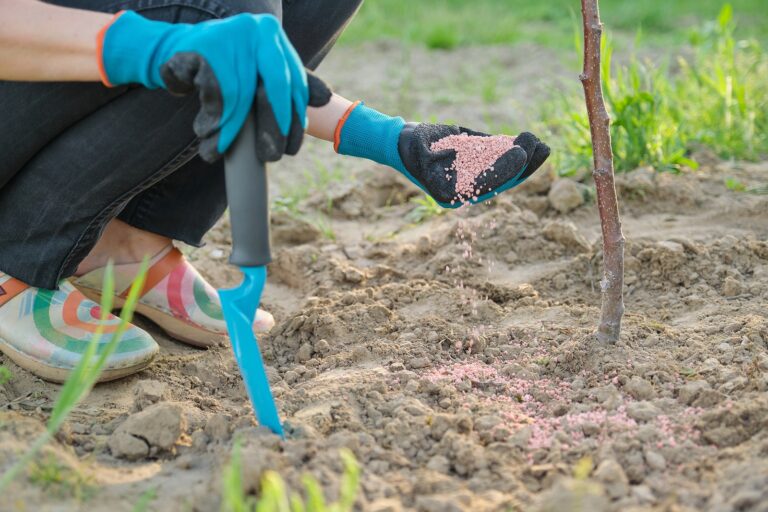
A 2–3 inch mulch layer slows evaporation and protects soil from temperature swings. - Feed with Slow-Release Fertilizers
Sandy soil leaches nutrients quickly—organic fertilizers like fish meal or bone meal provide steady feeding. - Plant Cover Crops
Green manures such as clover or vetch add organic matter and help stabilize the soil.
Long-Term Soil Health Practices
- Compost Every Season: Adding organic matter is an ongoing process, not a one-time fix.
- Avoid Compaction: Limit foot traffic in garden beds and use designated paths.
- Keep Soil Covered: Bare soil loses structure and nutrients. Use mulch or cover crops year-round.
With consistent care, even the toughest clay or sand can be turned into rich, productive garden soil teeming with life—an ideal home for healthy vegetables.
My Experience
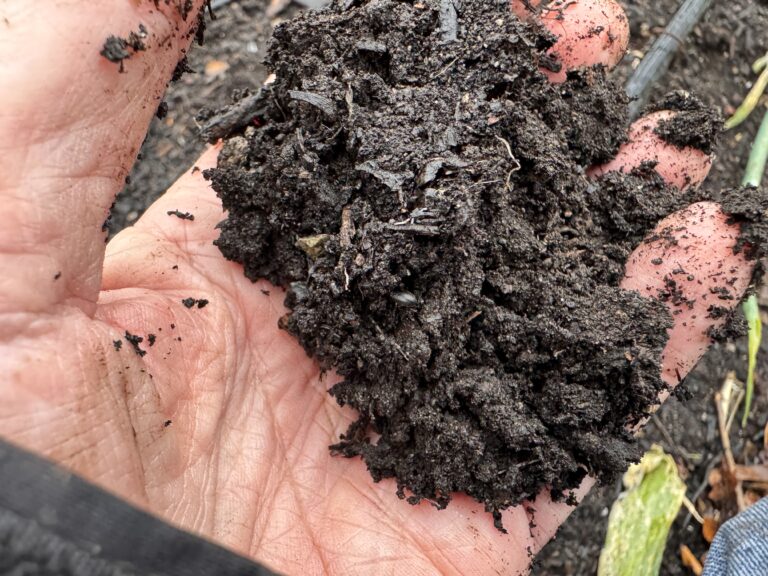
When I first started gardening in California’s Central Valley, my soil was pure clay—sticky in winter and hard as concrete in summer. Over the years, I learned that consistent additions of compost, leaf mold, and cover crops gradually changed its texture. Today, the soil crumbles easily in my hands and drains just right. I’ve also worked with sandy soils in raised beds in Sonoma Valley, where compost and mulch make all the difference in holding moisture through hot, dry summers. No matter the soil type, steady improvement through organic matter is the sure path to thriving vegetables.