How to Identify and Improve Compacted Garden Soil

Compacted soil is one of the most common yet overlooked problems in vegetable gardens. When soil is compacted, roots struggle to grow, water pools or runs off, and beneficial soil life is reduced. Understanding how to identify and improve compacted soil is essential for building healthy, regenerative gardens that produce strong, resilient crops.
Drawing from over 30 years of experience gardening in diverse soils—from dense clay in California’s Central Valley to loamy soils in Sonoma Valley—I’ve seen firsthand how restoring soil structure transforms productivity and vitality in vegetable beds.
Signs of Compacted Soil
You can often identify compacted soil by observing plants and the soil itself:
- Poor Root Growth: Roots are short, thick, or circling rather than spreading deeply.
- Water Issues: Water either pools on the surface or drains too quickly.
- Hard or Dense Soil: Soil feels rock-like or clods together when dry.
- Reduced Microbial Activity: Fewer earthworms, insects, and visible fungal networks.
- Stunted or Yellowing Plants: Nutrient uptake is limited due to poor aeration.
A simple hand test can confirm compaction: dig a small hole with a trowel. If it’s difficult to penetrate the soil or it resists crumbling, compaction is likely present.
Causes of Soil Compaction
Compaction occurs when soil particles are pressed together, reducing pore space for air and water. Common causes include:
- Foot or machinery traffic over garden beds
- Heavy clay soils naturally prone to density
- Repeated tilling that destroys soil aggregates
- Rainfall or irrigation on bare, uncovered soil
How to Improve Compacted Soil Regeneratively
1. Add Organic Matter
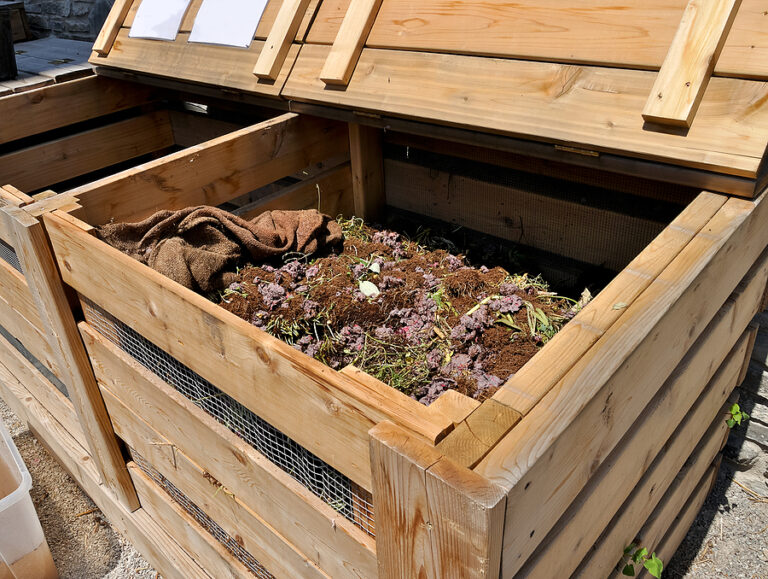
Compost, aged manure, leaf mold, or cover crop residues increase soil porosity and feed microorganisms that loosen soil from the inside out.
2. Reduce Disturbance
Avoid frequent tilling, which breaks aggregates and exacerbates compaction. Use no-till or low-till approaches and let worms and microbes mix the soil naturally.
3. Use Cover Crops
Deep-rooted cover crops like daikon radish, clover, or vetch penetrate dense soil, creating channels for air, water, and roots.
4. Mulch
Mulch protects soil from further compaction by reducing surface pressure from rain or foot traffic and maintains moisture for soil life.
5. Minimize Foot Traffic
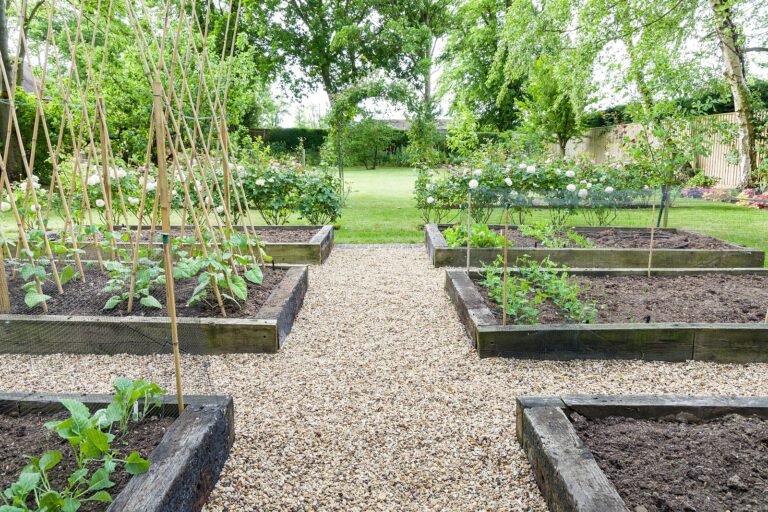
Use defined paths and raised beds to prevent repeated pressure on the same areas.
6. Aeration Tools (Optional)
In extreme cases, broadforks or garden forks can gently loosen soil without inverting layers, preserving soil life and aggregates.
My Experience
In my Sonoma Valley garden, heavy clay beds once produced weak, shallow-rooted vegetables. Over several seasons, I layered compost, planted winter cover crops, and minimized foot traffic. Earthworms returned, roots penetrated deeper, and water infiltrated evenly. Tomatoes and carrots thrived like never before, illustrating that regenerative methods—rather than aggressive tilling—repair compaction and restore soil health.
Conclusion
Compacted soil restricts root growth, water movement, and microbial life, limiting garden productivity. By identifying compaction and using regenerative techniques—adding organic matter, planting cover crops, mulching, and minimizing disturbance—you can restore structure, increase porosity, and create a thriving environment for vegetables. Healthy, uncompacted soil is the cornerstone of productive, resilient, and regenerative gardens.