How to Harden Off Vegetable Seedlings

Vegetable seedlings raised indoors or in a greenhouse must gradually adjust to outdoor conditions before they are planted in the garden. This process is called hardening off.
Hardening off slowly exposes young plants to sun, wind, cooler temperatures, and fluctuating moisture conditions. Without this transition, tender seedlings can suffer sunburn, wind damage, shock, or even death when moved outdoors.
A proper hardening-off period usually takes 7 to 10 days.
Why Hardening Off Is Important
Seedlings started indoors grow in a protected environment:
• Light is gentle and indirect
• Temperatures are stable
• There is little wind
• Water is consistent
Outdoor conditions are very different. Plants suddenly exposed to bright sun, wind, and temperature swings can quickly wilt or burn.
Hardening off helps seedlings:
• Develop stronger stems
• Build thicker leaf cuticles that resist sunburn
• Adjust to cooler nights
• Adapt to natural wind movement
After hardening off, seedlings establish faster and suffer far less transplant stress.
When to Start Hardening Off Seedlings
Begin hardening off when seedlings:
• Have 2 to 3 sets of true leaves
• Are large enough to handle outdoor exposure
• Are about 1–2 weeks away from transplanting
Also check outdoor conditions.
Most cool-season vegetables can begin hardening off when:
• Daytime temperatures reach 50–60°F (10–16°C)
• Nights stay above 40–45°F (4–7°C)
Warm-season crops should wait until:
• Days are 60–70°F (16–21°C) or warmer
• Frost danger is nearly past
Vegetables That Need Hardening Off
Nearly all seedlings started indoors benefit from hardening off.
Common examples include:
Cool-season crops
• Broccoli
• Cabbage
• Cauliflower
• Kale
• Lettuce
• Onions
• Leeks
Warm-season crops
• Tomatoes
• Peppers
• Eggplant
• Cucumbers
• Squash
• Melons
Step-by-Step Hardening Off Schedule
Follow a gradual exposure plan over about a week.
Day 1–2: Gentle Introduction
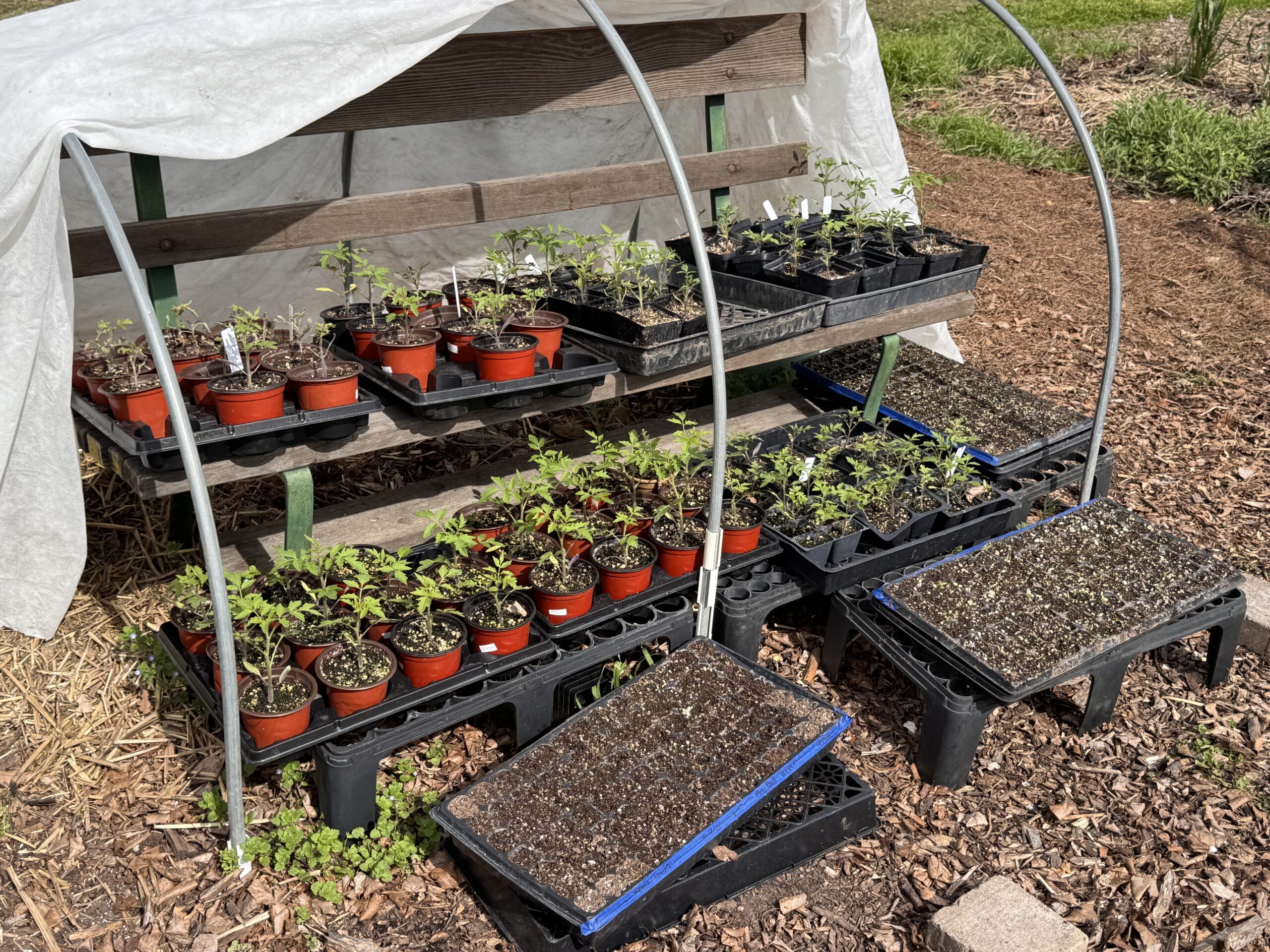
Place seedlings outdoors in a protected, shady location for 1–2 hours.
Good locations include:
• Under a tree
• On a covered porch
• Against a sheltered wall
Bring seedlings back indoors afterward.
Avoid wind and direct sun.
Day 3–4: Increase Outdoor Time
Leave seedlings outside 3–4 hours.
Expose them to bright shade or early morning sun, but still protect them from strong wind.
Water if the soil begins to dry.
Day 5–6: Introduce More Sun
Allow 5–6 hours outdoors.
Give seedlings some direct sun, especially morning sun. Avoid intense afternoon sun if possible.
Plants may begin to show stronger stems and thicker leaves.
Day 7–8: Nearly Full Exposure
Leave plants outside most of the day.
They can now tolerate moderate sun and light wind.
At this stage they should resemble plants grown outdoors rather than tender indoor seedlings.
Day 9–10: Overnight Outdoors
If night temperatures are safe for the crop, leave seedlings outdoors overnight.
They are now ready to transplant into the garden.
Hardening Off in Cold or Unstable Weather
Spring weather is often unpredictable. If conditions turn harsh, slow the process.
Protect seedlings from:
• Frost
• Strong wind
• Heavy rain
• Temperatures below crop tolerance
A simple cold frame, porch, or garage overnight can protect plants during sudden cold snaps.
Signs Seedlings Are Hardening Successfully
Healthy hardened seedlings show:
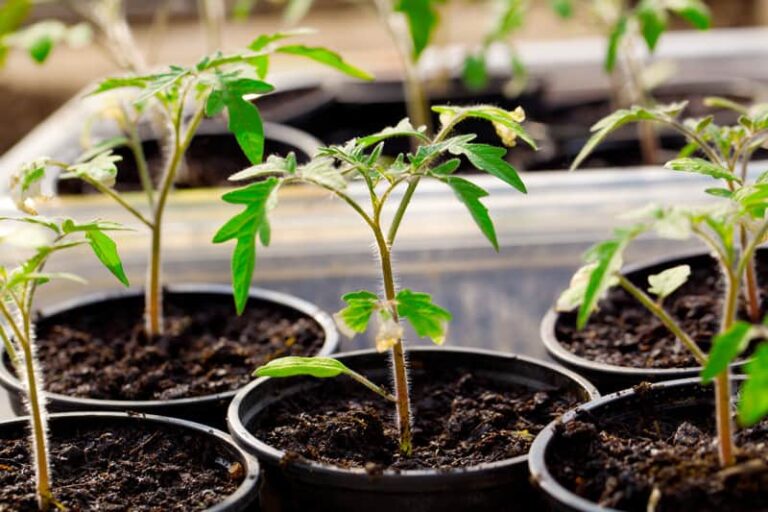
• Thicker stems
• Deeper green leaves
• Compact growth
• Upright posture outdoors
Plants may grow slightly slower during this transition, which is normal.
Warning Signs During Hardening Off
Watch carefully for stress.
Signs seedlings are struggling include:
• Wilting in direct sun
• White or bleached leaf patches (sunburn)
• Drooping stems in wind
• Dry soil and rapid dehydration
If this happens, move plants back into shade and slow the hardening process.
My Approach to Hardening Off Seedlings
After decades of growing vegetables in raised beds and wide-row plantings, I’ve found that slow and steady hardening off produces the strongest transplants.
I typically begin hardening off cool-season crops like broccoli, cabbage, and lettuce when soil temperatures reach the mid-50s°F at 4 inches deep. That usually signals the garden is ready for transplanting within a week or two.
I place trays in bright morning light and shelter them from afternoon wind, gradually increasing exposure each day. By transplant time, seedlings are sturdy, resilient, and ready to establish quickly in the garden.
Tips for Successful Hardening Off
• Start gradually; avoid sudden full sun
• Keep soil evenly moist
• Protect from strong wind
• Reduce watering slightly near the end to toughen plants
• Transplant on a cloudy day or in late afternoon
These small steps make a big difference in how quickly seedlings adapt to the garden.
Final Thoughts
Hardening off is a simple step that prevents transplant shock and helps vegetable seedlings establish quickly in the garden.
By giving plants a week of gradual exposure to outdoor conditions, you prepare them for sun, wind, and changing temperatures—ensuring stronger growth and better harvests throughout the season.