How to Grow Merrybells — Uvularia

Uvularia–commonly called merrybells–is a spring-blooming wildflower native to eastern North America that is sometimes grown in woodland and shade gardens.
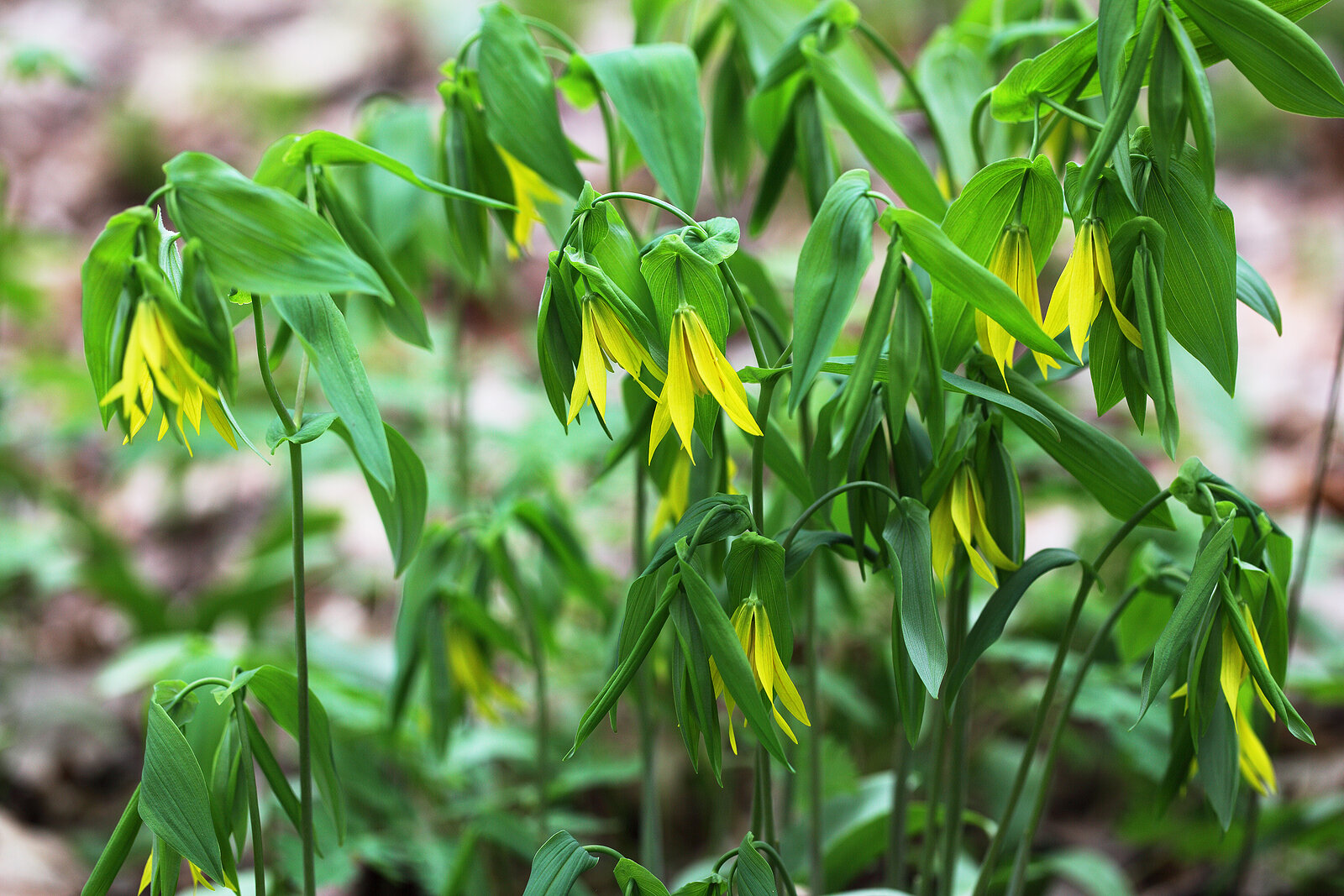
Uvularia is a rhizomatous perennial with pendent, bell-shaped flowers consisting of six tepals. The flowers bloom atop erect branched or unbranched stems with lance-shaped leaves.
Uvularia grows best in partial to full shade with rich, moist, well-drained soil. Uvularia spreads slowly via rhizomes. It can go years without need division or replanting.
Uvularia is a genus of 5 species of rhizomatous perennials native to woodlands in eastern North Ameria.
Know What to Plant This Week
Every week I answer the gardener's most important question: what should I plant now? Get seasonal planting advice free — or go Pro for my full Soil Temperature Garden Report, with soil temperature, moisture, weather trends, and crop-by-crop recommendations.
Get to know Uvularia
- Plant type: Rhizomatous perennial
- Growing zones and range: Zone 3-7
- Hardiness: Hardy to Zone 3
- Height and width: 30 inches (75cm) tall and 12 inches (30cm) wide
- Foliage: Ovate-lance-shaped, downward pointing mid-green leaves
- Flowers: Solitary or paired, pendent, tubular bell-shaped sometimes green-tinted yellow flowers
- Bloom time: MId- and late spring
- Uses: Shady border, woodland garden
- Common name: Merrybells, bellworts
- Botanical name: Uvularia
- Family name: Lilaceae
- Origin: Woodlands eastern North America
Where to plant Uvularia
- Grow Uvularia in deep or partial shade.
- Plant Uvularia in humus-rich, well-drained soil.
When to plant Uvularia
- Set container-grown Uvularia in the garden in spring or autumn.
Planting and spacing Uvularia
- Space Uvularia 12 inches (30cm) apart
How to water and feed Uvularia
- Keep the soil evenly moist for best growth. Water during dry weather.
- Fertilize Uvularia with an all-purpose fertilizer in spring.
Uvularia care
- Mulch Uvularia with compost or chopped leaves in spring.
- Uvularia spreads by rhizomes to form new clumps; it can go for years without needing to be divided.
Uvularia pests and diseases
- Uvularia can be bothered and snails and slugs.
- Rust and leaf spot can occur,
Uvularia propagation
- Sow Uvularia seeds in contianres in a cold frame as soon as ripe.
- Divide Uvularia in spring.
Uvularia varieties to grow
- Uvularia grandiflora, large merrybells. Rhizomatous perennial with lance-shaped downward pointing mid-green leaves; solitary or paired, pendent, tubular bell-shaped yellow flowers to 2 inches long; grows to 30 inches tall and 12 inches wide.
- U. perfoliata, perfoliate bellflower. Grows 12 to 24 inches tall; bears pale yellow flowers in spring.