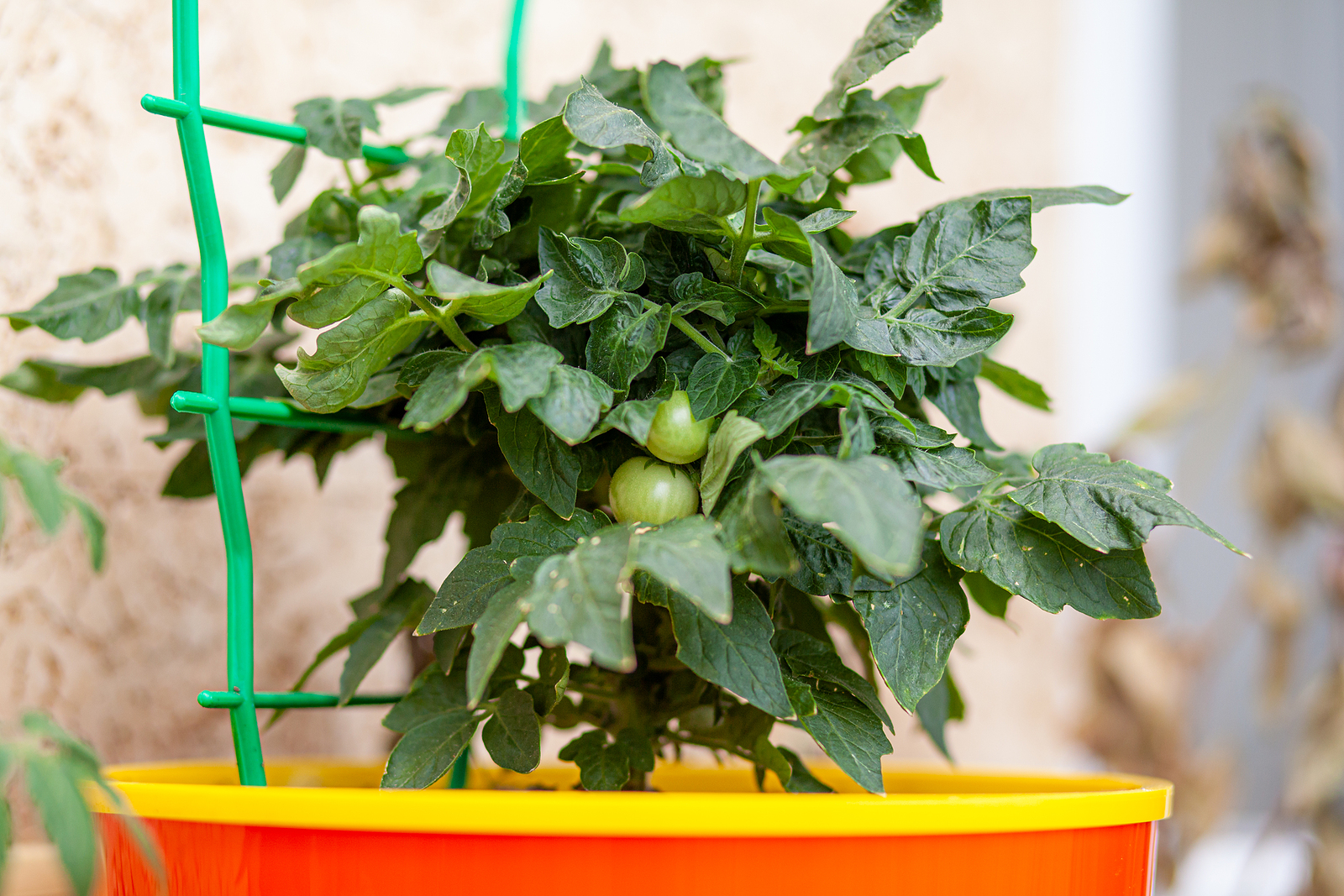
How to Grow Tomatoes in Containers (Step-by-Step for Big Harvests)

Growing tomatoes in containers is one of the most rewarding ways to garden—especially if you’re short on space, working with a patio, or dealing with poor in-ground soil.
I’ve grown tomatoes in raised beds and containers for decades in Sonoma Valley, and I can tell you this: container tomatoes can outperform in-ground plants when you get the basics right.
The key is not luck—it’s container size, soil quality, water consistency, and support systems.
Let’s go step by step so you can grow strong, productive tomato plants in pots this season.
Step 1: Choose the Right Tomato Variety (Critical First Decision)
Not all tomatoes perform well in containers.
Best types for containers with a few suggested varieties:
🍅 Determinate (bush) tomatoes
- Roma – classic paste tomato, dependable and compact
- Celebrity – disease-resistant, excellent all-purpose slicer
- Bush Early Girl – earlier harvest in a manageable plant size
🍅 Compact indeterminate varieties (with pruning)
- Early Girl – fast-maturing and productive with pruning
- Better Boy – vigorous but can be controlled in smaller spaces
- Juliet – small-fruited, heavy producer, great for trellising
🍅 Patio or dwarf varieties
- Patio Princess – bred specifically for containers
- Tiny Tim – very compact, ideal for small pots
- Tumbling Tom – cascading habit, perfect for hanging baskets
What I’ve learned from experience:
Large indeterminate heirlooms can be grown in containers, but they require:
- Larger pots
- Strong staking or cages
- More frequent feeding and watering
👉 Good container varieties include:
- Cherry tomatoes (very reliable): Sweet 100, Sun Gold, Large Red Cherry
- Roma-type tomatoes: Roma, San Marzano, Juliet
- Compact slicing tomatoes: Bush Early Girl, Celebrity, Better Bush
Step 2: Choose the Right Container Size
This is where most container tomato failures begin.
Minimum sizes:
- 10–15 gallons: small determinate tomatoes
- 15–25 gallons: most standard tomatoes
- 25+ gallons: large indeterminate varieties
Why size matters:
- More soil = more moisture stability
- More root space = more fruit production
- Smaller pots = stress, yellowing, blossom drop
👉 Helpful Amazon search links:
- Large fabric grow bags
https://www.amazon.com/s?k=10+gallon+grow+bags - 20–25 gallon plant pots
https://www.amazon.com/s?k=large+plastic+planters+20+gallon
Step 3: Use High-Quality Potting Mix (Not Garden Soil)
Never use straight garden soil in containers.
What you want:
- Light, well-draining potting mix
- Organic matter for moisture retention
- Good aeration for root health
Why this matters:
In containers, soil compacts quickly and suffocates roots if it’s too heavy.
👉 Helpful Amazon search links:
- Organic potting mix for vegetables
https://www.amazon.com/s?k=organic+potting+mix+vegetables - Raised bed and container soil mix
https://www.amazon.com/s?k=raised+bed+soil+mix
Step 4: Plant Deep for Strong Root Systems
Tomatoes are unique—they can grow roots along buried stems.
How to plant:
- Remove lower leaves
- Bury 1/2 to 2/3 of the stem
- Firm soil gently around plant
My Experience:
In my garden, deep planting is one of the fastest ways to create strong, drought-resistant container tomatoes.
Step 5: Water Consistently (This Makes or Breaks Container Tomatoes)
Containers dry out fast—especially in warm weather.
What happens if watering is inconsistent:
- Blossom end rot
- Yellowing leaves
- Stunted fruit development
Best practice:
- Water deeply until it drains
- Check soil daily in warm weather
- Never let pots fully dry out
👉 Helpful Amazon search links:
- Soil moisture meter
https://www.amazon.com/s?k=soil+moisture+meter+plant - Self-watering containers
https://www.amazon.com/s?k=self+watering+planter+vegetables
Step 6: Feed Regularly (Container Tomatoes Are Heavy Feeders)
Unlike in-ground plants, container tomatoes rely entirely on you for nutrients.
Feeding schedule:
- Start feeding 2–3 weeks after planting
- Continue every 10–14 days during fruiting
What to look for:
- Balanced fertilizer early on
- Higher potassium during fruiting
👉 Helpful Amazon search links:
- Tomato fertilizer organic
https://www.amazon.com/s?k=organic+tomato+fertilizer - Liquid fertilizer for vegetables
https://www.amazon.com/s?k=liquid+vegetable+fertilizer
Step 7: Provide Strong Support Early
Don’t wait until plants are heavy to add support.
Options:
- Tomato cages
- Stakes + ties
- Trellis systems
My insight:
I’ve learned the hard way that unsupported container tomatoes break easily in wind or under fruit load.
👉 Helpful Amazon search links:
- Heavy-duty tomato cages
https://www.amazon.com/s?k=heavy+duty+tomato+cages - Garden stakes for tomatoes
https://www.amazon.com/s?k=tomato+stakes+metal
Step 8: Full Sun Is Non-Negotiable
Tomatoes need:
- 6–8+ hours of direct sun daily
What happens in low light:
- Fewer flowers
- Slower ripening
- Weak plants
Step 9: Mulch the Surface (Container Secret Most People Miss)
Mulch in containers helps:
- Reduce evaporation
- Stabilize soil temperature
- Prevent blossom end rot
👉 Helpful Amazon search links:
- Organic mulch for containers
https://www.amazon.com/s?k=organic+mulch+garden
Step 10: Watch for Common Container Problems
Watch closely for:
- Yellowing leaves (watering or nitrogen imbalance)
- Blossom end rot (inconsistent watering)
- Leaf curl (heat stress or overwatering)
👉 Most container issues trace back to water inconsistency or pot size too small.
My Experience
After decades growing tomatoes in both raised beds and containers, I’ve found this:
👉 Container success is less about variety—and more about consistency.
In Sonoma Valley summers, my most productive container tomatoes always come from:
- Large containers (15–25 gallons)
- Consistent drip or hand watering
- Strong early staking
- High-quality potting mix
When those four things are right, container tomatoes can produce heavily all season long.
🧰 Recommended Container Tomato Setup (Buying Guide)
This is the simple system I recommend for reliable harvests:
🪴 Containers
- 15–25 gallon grow bags or pots
https://www.amazon.com/s?k=25+gallon+grow+bags
🌱 Soil
- High-quality organic potting mix
https://www.amazon.com/s?k=organic+potting+mix+vegetables
💧 Watering
- Soil moisture meter
https://www.amazon.com/s?k=soil+moisture+meter+plant - Drip irrigation kit for containers
https://www.amazon.com/s?k=drip+irrigation+kit+container+garden
🌿 Feeding
- Organic tomato fertilizer
https://www.amazon.com/s?k=organic+tomato+fertilizer
🪵 Support
- Heavy-duty tomato cages
https://www.amazon.com/s?k=heavy+duty+tomato+cages
👉 This setup removes most of the guesswork and prevents the common failures I see every spring.
Related Posts You May Find Helpful
- Why Are My Seedlings Leggy? (Causes and Fixes)
- Why Are My Young Plants Yellow? (Causes and Fixes)
- Seeds Not Germinating? 7 Reasons Your Garden Isn’t Sprouting
- Transplant Shock: Why Plants Stall After Planting
Frequently Asked Questions
Can tomatoes really grow well in containers?
Yes—often better than in-ground if conditions are managed properly.
What size pot is best for tomatoes?
At least 15–25 gallons for best production.
How often should I water container tomatoes?
Usually daily in hot weather, depending on pot size.
Why are my container tomatoes not producing fruit?
Common causes include heat stress, inconsistent watering, or too little sun.
Do container tomatoes need more fertilizer?
Yes—because nutrients leach out faster than in garden soil.
The Bottom Line
Growing tomatoes in containers is simple once you control the fundamentals:
- Large enough container
- Rich, well-draining soil
- Consistent watering
- Strong support
- Full sun
Get those right, and container tomatoes can produce surprisingly heavy harvests all season long.