How to Grow Florence Fennel in Containers

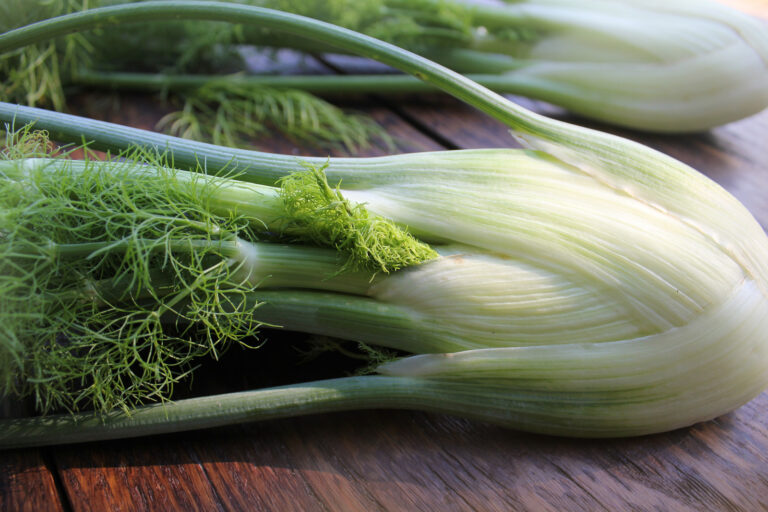
Growing Florence fennel in containers is not only possible—it’s an excellent way to control soil, moisture, and spacing so bulbs develop fully and resist bolting. After decades of growing cool-season vegetables in raised beds, patio containers, and classroom demonstration gardens, I’ve learned that fennel performs best when its root zone stays cool, its soil stays consistently moist, and it has just enough room to swell its crisp, aromatic bulb.
Here is an experience-based guide to choosing the right container, soil, spacing, and care practices for successful container-grown Florence fennel.
Why Grow Florence Fennel in Containers?
Container growing solves several of fennel’s challenges:
- Prevents soil compaction that can distort bulbs
- Keeps plants evenly moist (critical for sweet, tender bulbs)
- Allows gardeners in warm climates to move plants to cooler locations
- Reduces competition from plants inhibited by fennel’s allelopathic chemistry
If you garden in hot-summer regions like California’s Sonoma Valley—as I do—containers can also help protect fennel from premature bolting.
Best Containers for Florence Fennel
Container Size
A single fennel plant needs:
- 12–14 inches wide
- 10–12 inches deep
Fennel has a surprisingly long taproot, so depth matters as much as width.
Best options:
- 5-gallon nursery pots
- Deep grow bags
- Wooden planters with good drainage
Avoid shallow containers—bulbs will not form.
Material Matters
- Fabric pots: Excellent airflow, helps prevent soggy soils.
- Terra cotta: Good for cool climates; dries too fast in hot regions.
- Plastic/resin: Holds moisture well and resists heat.
My recommendation for most gardeners: 10–15 gallon grow bags or plastic pots.
Best Soil for Container Fennel
Use a light, moisture-retentive mix:
- 60% high-quality potting mix
- 20% compost
- 20% coir or peat for moisture balance
Avoid heavy garden soil—it compacts and restricts bulb swelling.
Mix in:
- 1–2 tablespoons of balanced organic fertilizer (4-4-4 or similar)
- A handful of perlite for drainage
How to Plant Florence Fennel in Containers
1. Direct sow whenever possible
Fennel dislikes root disturbance.
Sow:
- ¼ inch deep
- 3–4 seeds per pot
- Thin to 1 plant per container once seedlings are 2–3 inches tall
If you must transplant, use very young starts (2–3 weeks old) and disturb roots as little as possible.
2. Spacing in Shared Containers
If using a large trough or wide planter:
- Space plants 10–12 inches apart
- Keep them away from other vegetables—fennel’s allelopathy can inhibit growth
Pair only with flowers or herbs that tolerate its chemistry, such as calendula, thyme, and alyssum.
Watering and Feeding for Container Success
Watering
Container fennel needs consistent moisture—never soggy, never dry.
- Water deeply when the top inch dries
- In warm weather, check daily
- Mulch with fine straw or compost to keep the soil cool
Moisture stress is the #1 cause of bolting in containers.
Feeding
Fennel is a light to moderate feeder.
Use:
- A balanced organic fertilizer at planting
- A side-dress of compost every 3–4 weeks
Avoid high-nitrogen fertilizers—they cause lush leaves but small bulbs.
Light and Temperature Needs
- Full sun: 6–8 hours
- Ideal temperatures: 60–70°F
- Protect from heat spikes above 80°F
- In warm-climate springs, move pots into afternoon shade to reduce bolting risk
In fall plantings, container fennel thrives as the days cool.
Common Mistakes to Avoid
- Using shallow containers (bulbs won’t form)
- Allowing soil to dry out (triggers bolting)
- Planting with root-sensitive vegetables (allelopathy issues)
- Transplanting large seedlings (root disturbance prevents bulb formation)
Harvesting Container-Grown Fennel
Harvest when bulbs reach:
- 3–4 inches across for best tenderness
Cut the entire bulb at the soil line, or dig gently to keep roots intact.
Final Thoughts
Growing Florence fennel in containers gives you extraordinary control over the factors that matter most—soil quality, moisture, temperature, and spacing. With a deep enough pot and steady care, you can produce crisp, sweet, aromatic bulbs that rival anything grown in the ground.
Florence Fennel Learning Hub
Start Here / Overview
Planning and Preparation
- Best Site and Soil for Growing Florence Fennel
- When to Plant Florence Fennel: Spring and Fall Timing
- Florence Fennel Sowing Dates by Last Frost: Region-by-Region Guide
- The Best Florence Fennel Varieties for Home Gardeners
Planting and Growing
- Florence Fennel Planting Basics: Depth, Spacing, Germination
- How to Start Florence Fennel from Seed
- How to Plant and Space Florence Fennel for Large, Sweet Bulbs
- How to Care for Florence Fennel: Blanching, Pruning, and Prevent Bolting
- Common Reasons Florence Fennel Fails to Bulb
- How to Grow Florence Fennel in Containers
Companion Planting
Care and Maintenance
- How to Water and Fertilize Florence Fennel for Flavorful Bulbs
- Common Florence Fennel Pests and Diseases and How to Prevent Them
Harvesting
Storage and Preservation
Cooking and Serving