How to Grow Cytisus — Broom

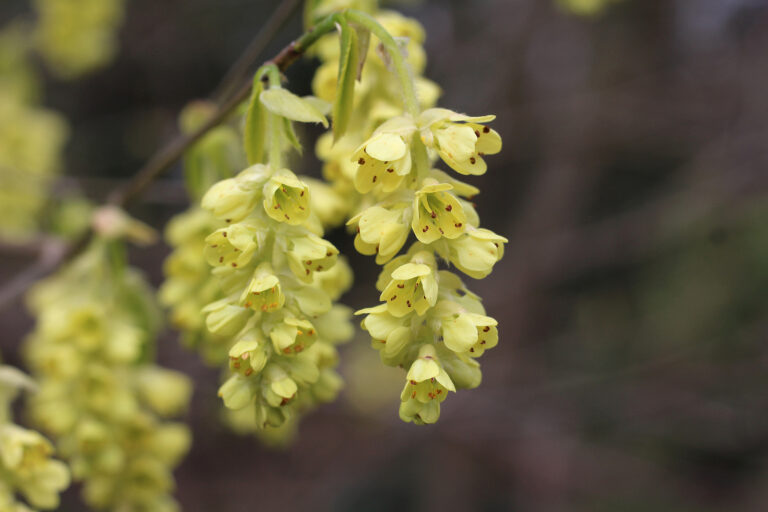
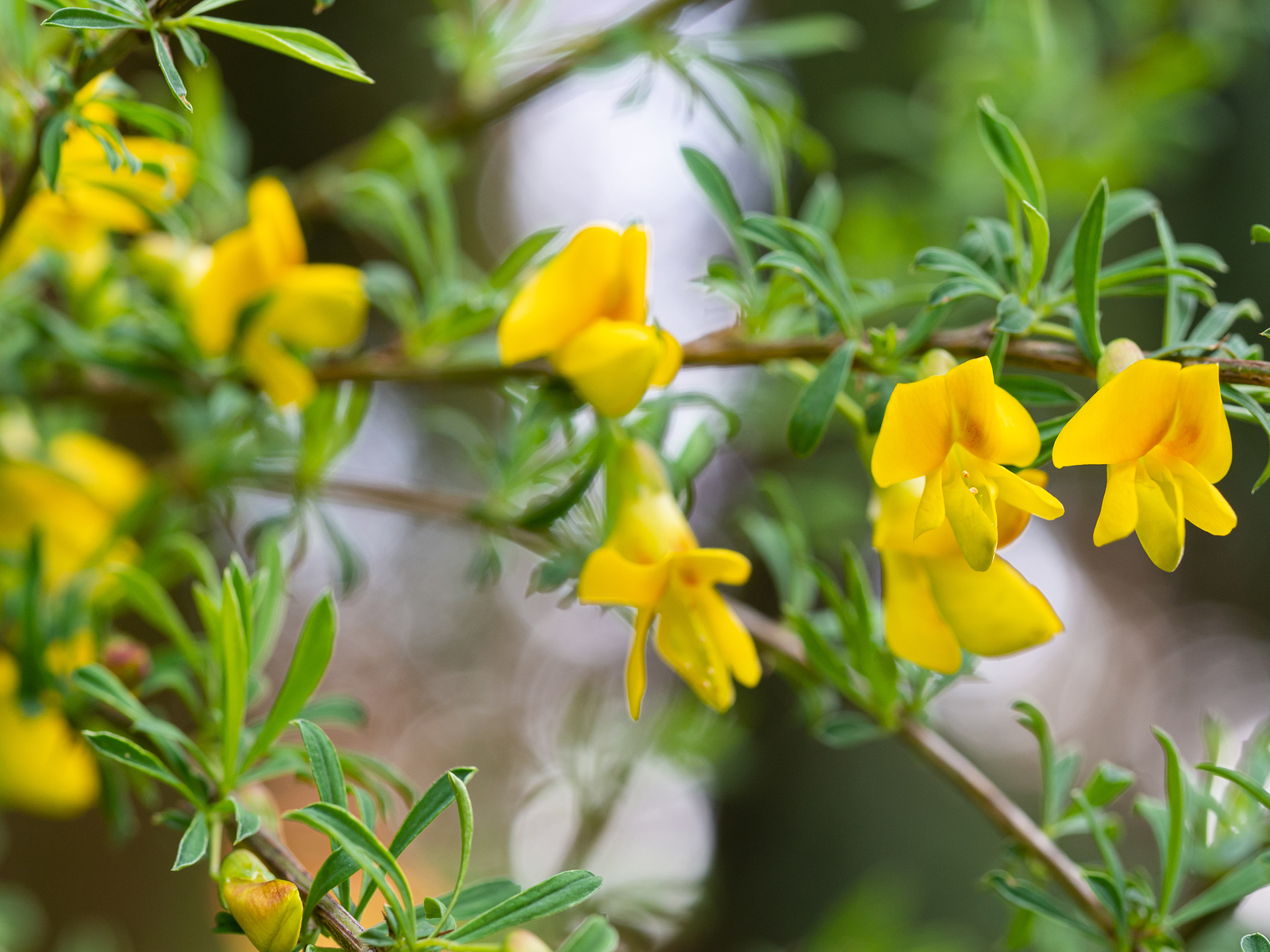
Cytisus are fast-growing shrubs that bear an abundance of 1-inch or smaller pea-shape, often fragrant blossoms, mostly yellow but some are orange, red, or cream-colored.. Members of the Cytisus genus are commonly called brooms.
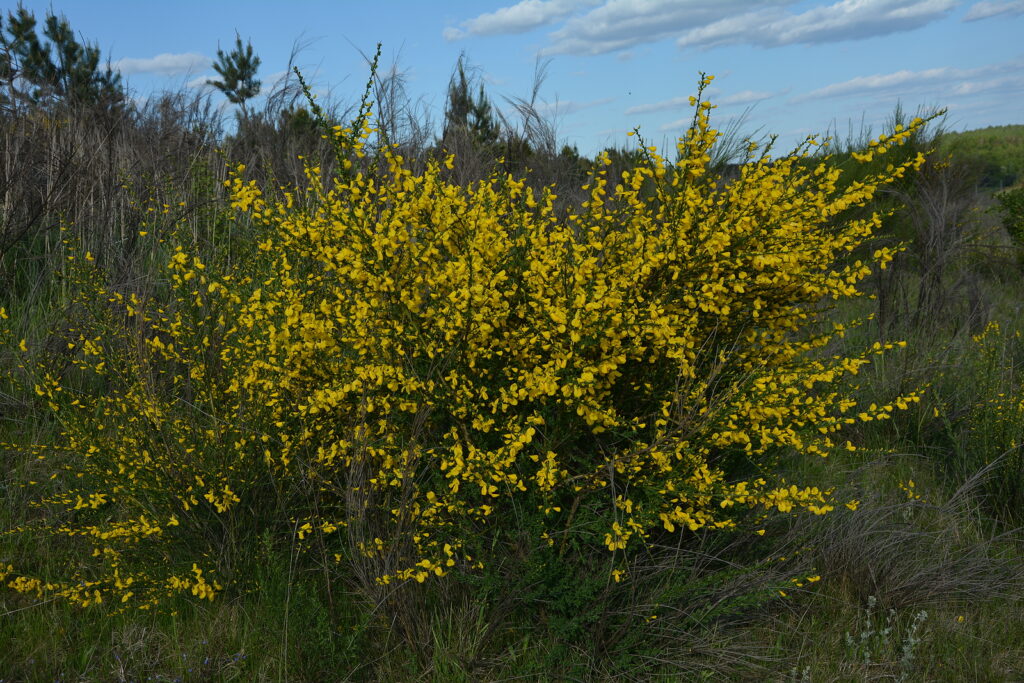
Cytisus range from small shrubs to small trees; most have a graceful spreading with slender, arching branches. Low-spreading Cytisus can be used as ground covers; larger species are suited for borders and informal hedges.
Cytisus flowers are borne singly or in clusters. Flowers resemble pea flowers with five petals.
Cytisus are short-lived, lasting tend years or so before they become leggy and thin.
Know What to Plant This Week
Every week I answer the gardener's most important question: what should I plant now? Get seasonal planting advice free — or go Pro for my full Soil Temperature Garden Report, with soil temperature, moisture, weather trends, and crop-by-crop recommendations.
Get to Know Cytisus
- Plant type: Deciduous spring-blooming shrub
- Growing Zones and range: 6-8
- Hardiness: Half-hardy
- Height and width: Varies by cultivar from 24-inches to 15 feet tall
- Foliage: Simple mid-green leaves
- Flowers: Usually yellow, but also white, red, or maroon
- Bloom time: Spring until autumn
- Uses: Grows well in windy and seashore conditions; good for erosion control
- Common name: Broom, genista
- Botanical name: Cytisus spp.
- Family: Fabaceae
- Origin: Europe, Asian Minor, North Africa
Where to Plant Cytisus
- Plant Cytisus in full sun.
- Plant Cytisus in average garden soil, Cytisus will grow in poor, sandy, rocky soil.
When to Plant Cytisus
- Set container-grown Cytisus in the garden in spring.
- Sow seed of species in spring.
Planting and Spacing Cytisus
- Space Cytisus 12 to 15 feet ((3.6-4.5m) apart.
How to Water and Feed Cytisus
- Cytisus needs moderate moisture at first; once established Cytisus is drought-tolerant.
- Cytisus does not need fertilizer.
Cytisus Care
- Cytisus does not need to be pruned in naturalistic settings. Cut stems back by one-third right after blooms.
- Cytisus can be invasive; remove any new plants not wanted.
- Cytisus is seldom bothered by diseases and pests.
Cytisus Pruning
- Cytisus blooms on the previous year’s wood; prune immediately after bloom time to avoid cutting into old wood.
- Cytisus need little pruning apart from keeping it in bounds and light shaping. Cytisus blooms more profusely if left unpruned.
Cytisus Propagation
- Raise species from seed sown in spring. Cultivars do not grow true from seed.
- Root semi-ripe-wood cuttings in midsummer and semi-ripe cutting in late summer
Cytisus Varieties to Grow
- Cytisus battandieri, Atlas broom: Semievergreen shrub grows 12 to 15 feet (3.6-4.5m)ll and as wide; can train as a small treed; fragrant, clear yellow flowers in spikelike clusters.
- C. x praecox, Warminster broom: Compact growth 3 to 5 feet (.9-1.5m) tall and wide; mounding mass of pale yellow to creamy white flowers in spring; use as an informal screen or hedge; is widely grown and is hardy in Zones 6-9.
- C. scoparius, Scotch broom: Evergreen can row to 10 feet (3m) tall; golden-yellow flowers; aggressive grower; species is invasive in the West; several named cultivars are less aggressive, low growing, and more colorful including ‘Burkwoodii’, ‘Carla’, ‘Dorothy Walpole’, ‘Lena’, ‘Lilac Time’, ‘Moonlight’, ‘St. Mary’s’, ‘San Francisco’, and ‘Stanford.’