How to Grow Cucumbers in Containers for Beginners (Step-by-Step for Big Harvests)

Cucumbers are one of the most satisfying vegetables to grow in containers—fast-growing, highly productive, and perfect for small-space gardens.
I’ve grown cucumbers in raised beds and containers for many years in Sonoma Valley, and I can tell you this: container cucumbers can produce just as heavily as in-ground plants when you manage water, space, and support correctly.
The key difference is that cucumbers are heavy feeders and heavy water users, so consistency is everything.
Let’s walk step by step so you can grow strong, productive cucumbers in containers—even as a beginner.
Step 1: Choose the Right Cucumber Variety (Very Important)
Not all cucumbers perform well in containers.
Best container cucumber types:
- Bush cucumbers (compact varieties)
- Patio cucumbers
- Pickling cucumbers (very reliable)
- Small slicing cucumbers
My insight:
In my experience, compact or bush varieties outperform vining types in smaller containers, especially in early-season plantings when growth is more sensitive to stress.
Step 2: Choose the Right Container Size
Cucumbers have aggressive root systems and grow fast.
Minimum sizes:
- 5–7 gallons: absolute minimum (small yield)
- 10–15 gallons: ideal for best production
- 15+ gallons: best for vining cucumbers or multiple plants
Why size matters:
- More soil = more moisture stability
- Cucumbers are extremely sensitive to drying out
- Small containers lead to bitter fruit and poor yields
👉 Helpful Amazon search links:
Step 3: Use Rich, Well-Draining Potting Mix
Cucumbers are heavy feeders and need nutrient-rich soil.
What to look for:
- Organic potting mix
- Good moisture retention
- Added compost or organic matter
What to avoid:
- Heavy garden soil (compacts in containers)
- Pure sand-based mixes (dries too fast)
👉 Helpful Amazon search links:
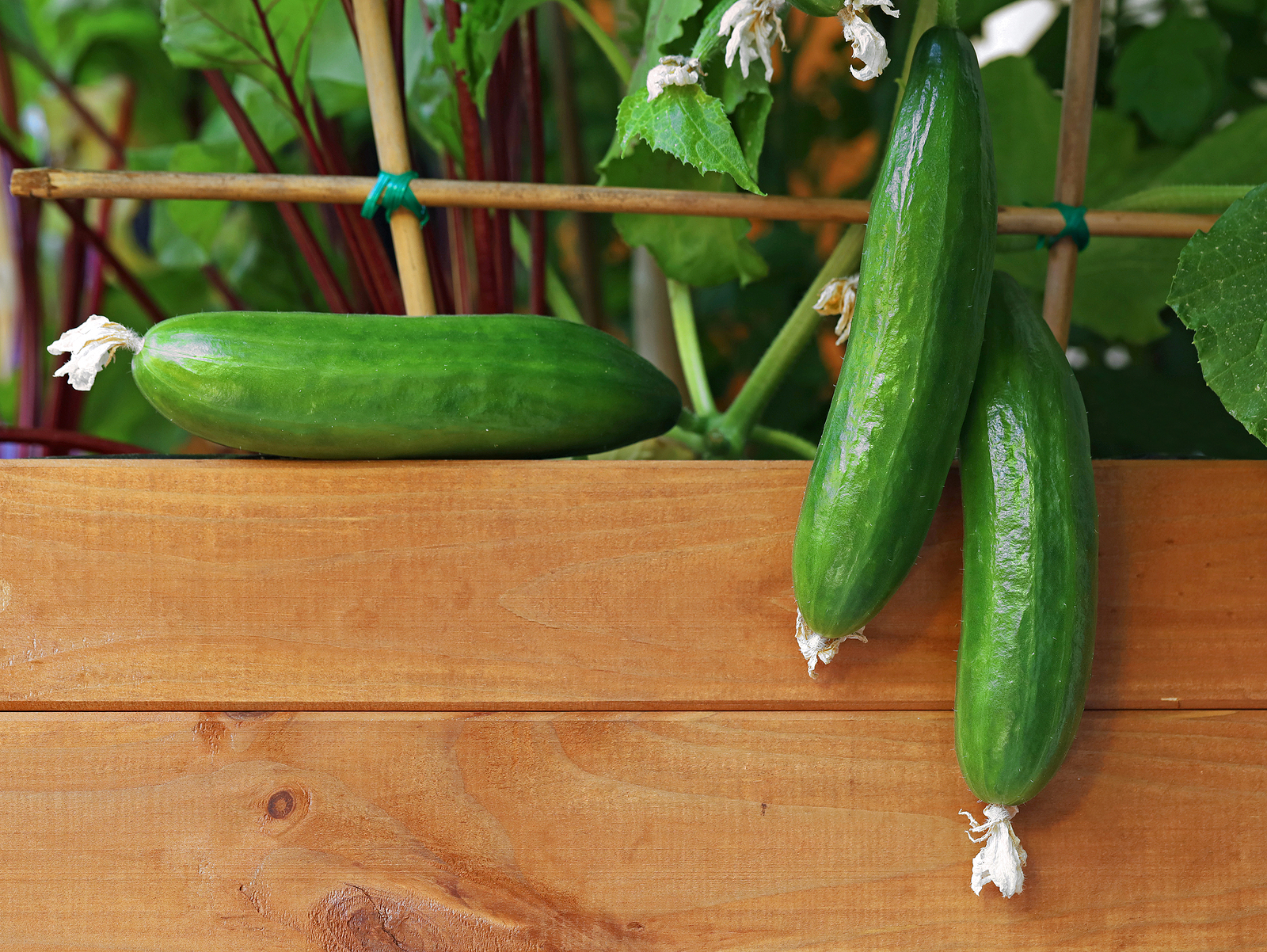
Step 4: Provide a Trellis (Critical for Container Success)
Cucumbers grow vertically even in containers.
Why trellising matters:
- Improves airflow (reduces disease)
- Prevents fruit rot on soil surface
- Increases yield per plant
- Makes harvesting easier
My insight:
In my garden, trellised cucumbers consistently outperform ground-grown container cucumbers by a wide margin.
👉 Helpful Amazon search links:
Step 5: Full Sun Is Essential
Cucumbers need strong sunlight to produce well.
Requirements:
- 6–8+ hours of direct sun daily
What happens in low light:
- Fewer flowers
- Slower growth
- Poor fruit development
Step 6: Water Consistently (This Is the #1 Container Success Factor)
Cucumbers are made of mostly water—so inconsistent watering causes immediate problems.
What happens with poor watering:
- Bitter cucumbers
- Misshapen fruit
- Flower drop
- Stunted growth
Best practice:
- Water deeply every 1–2 days in warm weather
- Never allow soil to fully dry out
- Check moisture daily in containers
👉 Helpful Amazon search links:
Step 7: Feed Regularly (Cucumbers Are Heavy Feeders)
Container cucumbers grow fast—and drain nutrients quickly.
Feeding schedule:
- Begin feeding 2–3 weeks after transplant
- Continue every 10–14 days during production
What to use:
- Balanced fertilizer early
- Higher potassium during fruiting
👉 Helpful Amazon search links:
Step 8: Mulch the Soil Surface
Mulch is especially important for cucumbers in containers.
Benefits:
- Stabilizes moisture
- Reduces watering frequency
- Prevents soil splash onto leaves
👉 Helpful Amazon search links:
Step 9: Watch for Common Cucumber Problems
Common issues:
- Bitter fruit (inconsistent watering)
- Powdery mildew (poor airflow)
- Low fruit set (heat or pollination issues)
- Yellowing leaves (nutrient or water imbalance)
My insight:
In my experience, watering consistency solves more cucumber problems than any fertilizer or spray.
Step 10: Support Pollination (Often Overlooked in Containers)
Cucumbers need pollination to produce fruit.
How to improve yields:
- Attract pollinators with nearby flowers
- Hand-pollinate if needed
- Avoid overly sheltered locations
👉 Helpful Amazon search links:
- Pollinator-attracting flower seeds
- Small garden insect netting (use carefully)
My Experience
After decades of growing cucumbers in both raised beds and containers, I’ve learned this:
👉 Container cucumbers succeed or fail based on water consistency and vertical support.
In Sonoma Valley summers, the most productive plants always share the same traits:
- Large enough containers
- Reliable watering
- Strong trellis system
- Regular feeding
When those are in place, cucumbers become one of the highest-yield container crops you can grow.
🧰 Recommended Container Cucumber Setup (Buying Guide)
This simple setup removes most beginner mistakes.
🪴 Containers
- 10–15 gallon grow bags or pots
🌿 Support
- Cucumber trellis systems
- Garden netting supports
💧 Watering
- Soil moisture meter
- Drip irrigation kit for containers
🌱 Soil & Nutrition
- Organic potting mix
- Liquid vegetable fertilizer
👉 This setup creates stable conditions that prevent most common cucumber failures.
Related Posts You May Find Helpful
- How to Grow Tomatoes in Containers (Step-by-Step)
- How to Grow Peppers in Containers for Beginners
- Why Are My Seedlings Leggy? (Causes and Fixes)
- Why Are My Young Plants Yellow? (Causes and Fixes)
Frequently Asked Questions
Can cucumbers really grow well in containers?
Yes—often extremely well if given enough water and space.
What size pot is best for cucumbers?
10–15 gallons is ideal for consistent production.
Why are my cucumbers bitter?
Usually caused by inconsistent watering or heat stress.
Do cucumbers need a trellis in containers?
Yes—trellising improves yield, airflow, and fruit quality.
How often should I water container cucumbers?
Typically every 1–2 days in warm weather.
The Bottom Line
Container cucumbers are simple once you control the basics:
- Large container
- Consistent watering
- Strong trellis
- Regular feeding
- Full sun
Get those right, and cucumbers become one of the most productive container vegetables you can grow—even for beginners.