How to Grow Carissa – Natal Plum

Carissa–commonly called Natal plum–is a genus of tropical evergreen trees and shrubs, one species Carissa grandiflora is grown as a houseplant.
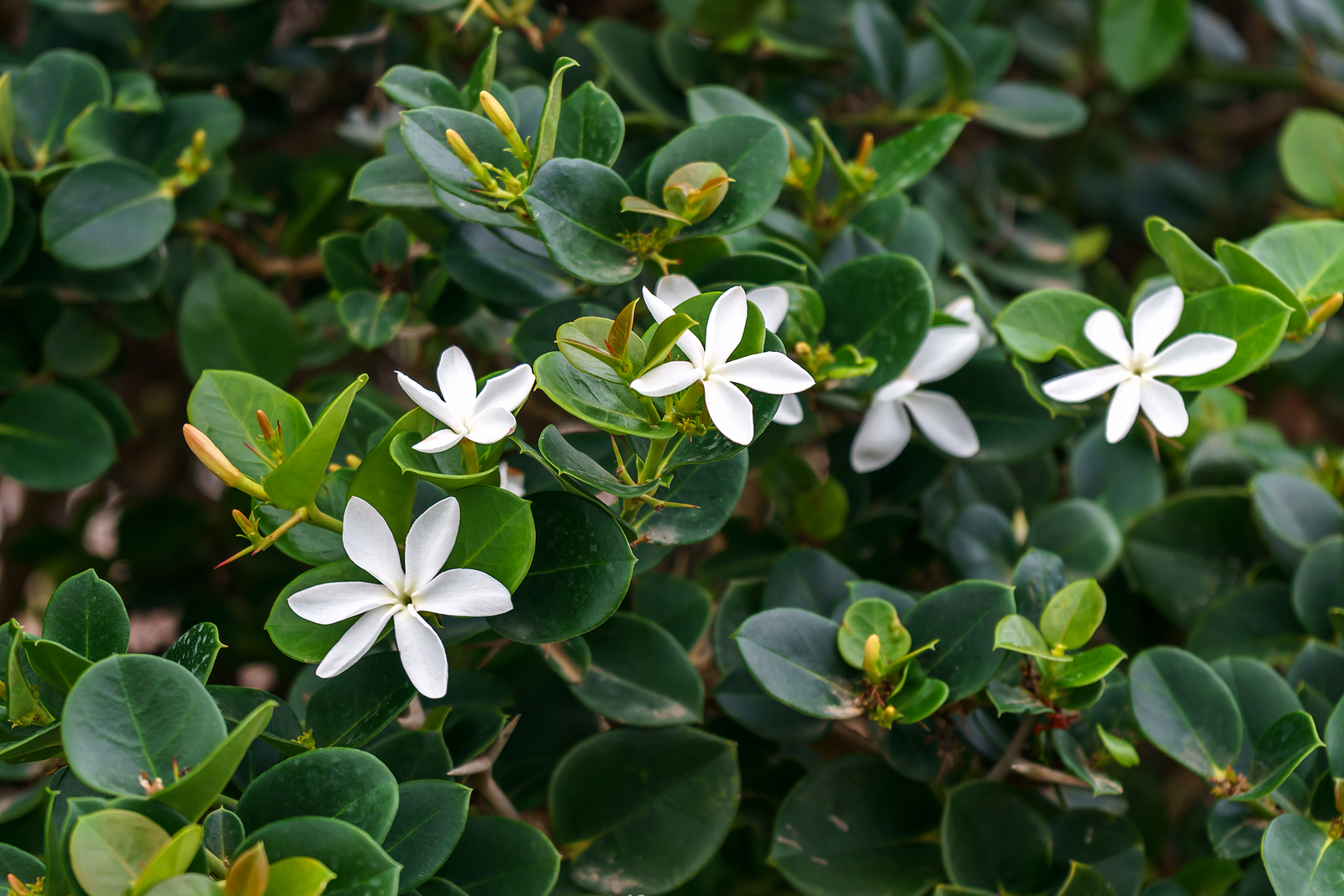
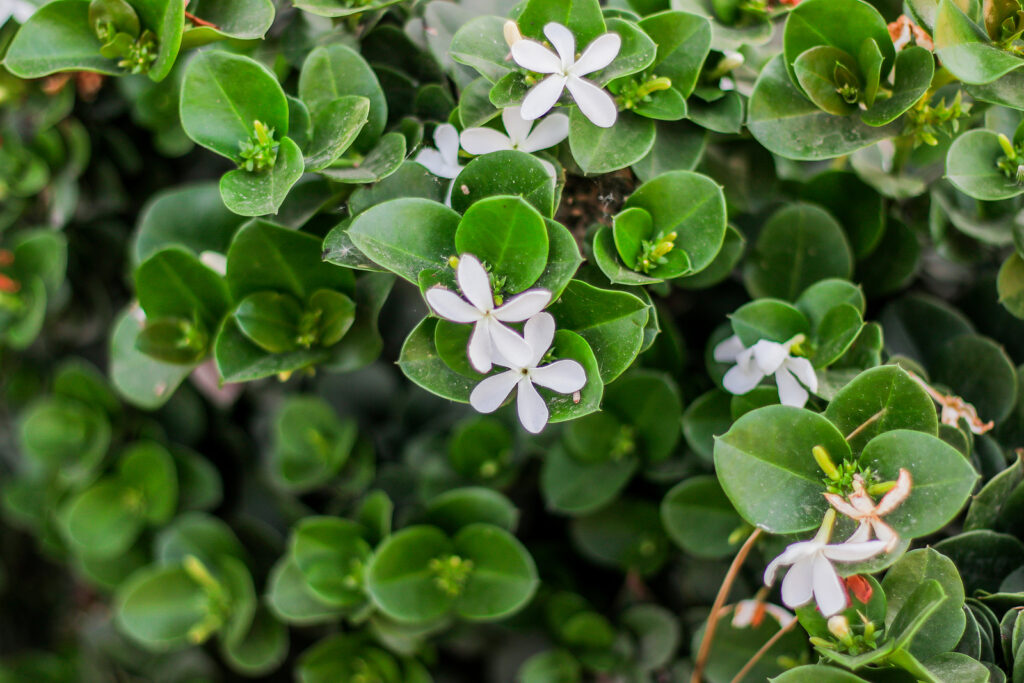
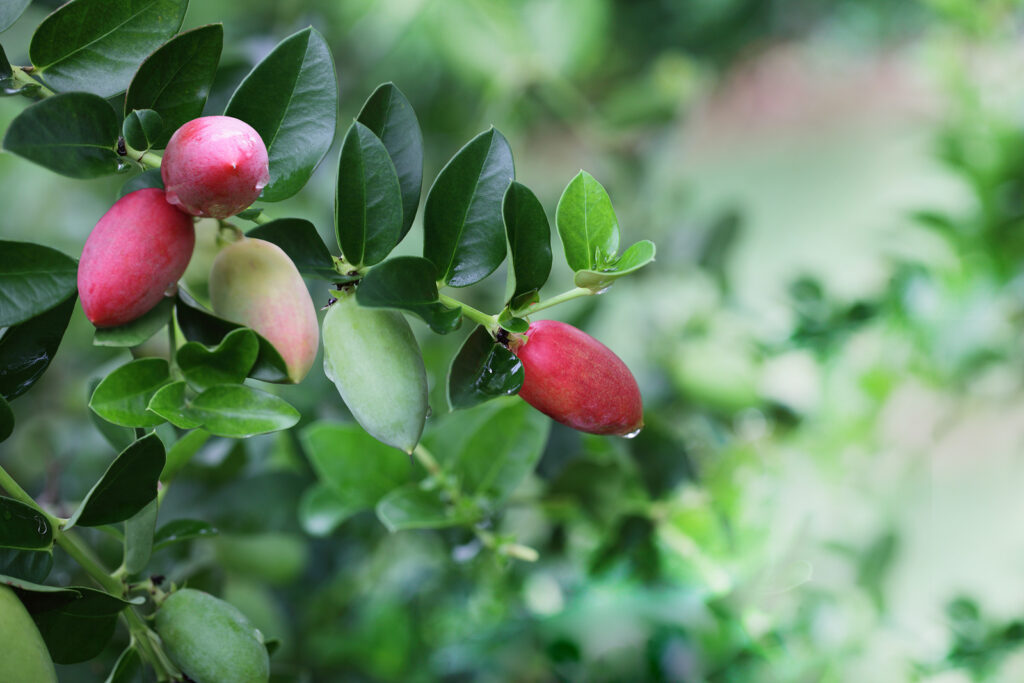
Carissa has spiny stems and leathery leaves. It is cultivated most often for its white or pinkish fragrant flowers which bloom in clusters. Five-petaled star shape flowers are fragrant, especially at night. Flowers are followed by showy red, leathery berries that resemble cranberries.
Carissa is fast-growing, strong, and upright. Plants grow from 3 to 7 feet tall and about as wide. Spines along the branches and at the end of twigs can pierce the skin. Plant Carissa away from walkways and where children can not be harmed. Carissa also oozes a milky sap when a leaf is broken or a stem is cut.
Carissa macrocarpa fruit has a cranberry-like flavor and can be eaten fresh or used in a jelly, sauce, or pie.
Know What to Plant This Week
Every week I answer the gardener's most important question: what should I plant now? Get seasonal planting advice free — or go Pro for my full Soil Temperature Garden Report, with soil temperature, moisture, weather trends, and crop-by-crop recommendations.
Get to know Carissa
- Plant type: Tropical shrub
- Growing zones and range: Zones 9-11
- Hardiness: Tender
- Height and width: 3 to 7 feet (1-2.1m) tall and wide depending on the variety
- Foliage: Shiny deep green leaves
- Flowers: 5-petaled, star-shaped white flowers
- Fruit: Ornamental plump, round, crimson fruit about 1 inch around
- Bloom time: Throughout the year
- Uses: Shrub border, houseplant
- Common name: Natal plum
- Botanical name: Carissa
- Family name: Apocynaceae
- Origin: Southern Africa
Where to plant Carissa
- Light outdoors: Carissa grows best in sun; it tolerates some shade.
- Soil outdoors: Carissa will grow in a variety of soils.
- Carissa is tolerant of ocean wind and salt spray.
- Keep Carissa away from walkways and play areas; it has thorny spines along its stems and branches.
When to plant Carissa
- Set container-grown Carissa outdoors in spring in cool-winter regions, any time of the year in tropical regions.
Planting and spacing Carissa
- Space Carissa 3 to 7 feet (1-2.1m) apart.
How to water and feed Carissa
- Keep the soil just moist, not wet. Established plants need little watering.
- Fertilize Carissa with an all-purpose, slow-release fertilizer in spring.
Carissa care
- Carissa is easy to grow.
- Prune Carissa to control erratic growth (milky sap oozes from cut stems). Prune Carissa in early spring so as not to prune away flower buds.
Growing Carissa as a houseplant
- Carissa like to be grown wehre temperatures and humidity are average and light is direct.
- Keep the growing medium moist and fertilize every three to four months.
- Prune out growing tips to keep the plant compact.
Carissa pests and diseases
- Carissa can be damaged by spider mites, scale insects, and thrips.
Carissa propagation
- Propagate Carissa by stem cutting taken at any time or by seed.
- Seeds germinate quickly in 2 to 4 weeks.
Carissa varieties to grow
- Carissa grandiflora, Natal plum. Grows to about 36 inches tall; dark green, shiny, oval, 1-inch leaves and long, forked spines; fragrant waxy white flowers have long tubes ending in five flat lobes appear in clusters; flowers are 1 to 2 inches across; fruits are plumlike in appearance and are edible. Cultivars include compact forms ‘Horizontalis’, ‘Prostrata’, ‘Tuttlei’ and dwarf forms ‘Minima’ and ‘Nana Compacta.’
- C. macrocarpa, Natal plum. Grows 5 to 7 feet tall;lustrous rich green, oval, leathery leaves; spines along branches and and at the end of each twig