How to Grow Bromeliads: A Beginner’s Guide to the Top Indoor Varieties

Bromeliads are some of the most striking and low-maintenance houseplants you can grow. With their bold foliage, colorful blooms, and unusual shapes, they bring a touch of the tropics indoors—and they’re surprisingly easy to care for. Whether you’re a first-time plant parent or an experienced indoor gardener, bromeliads can brighten any corner of your home.
Why Bromeliads Make Great Indoor Plants
Bromeliads are part of a large family of tropical plants that naturally thrive in warm, humid environments. What makes them perfect for indoor gardening?
- Low maintenance: Many bromeliads require minimal watering and tolerate a range of light conditions.
- Long-lasting blooms: Their colorful flowers can last for weeks or even months.
- Unique shapes: From rosettes to cascading spikes, bromeliads add texture and interest to any indoor space.
- Air purification: Like other tropical plants, they help improve indoor air quality.
Basic Bromeliad Care
Light: Bright, indirect light is ideal. Too much direct sun can scorch their leaves, while too little light may prevent flowering.
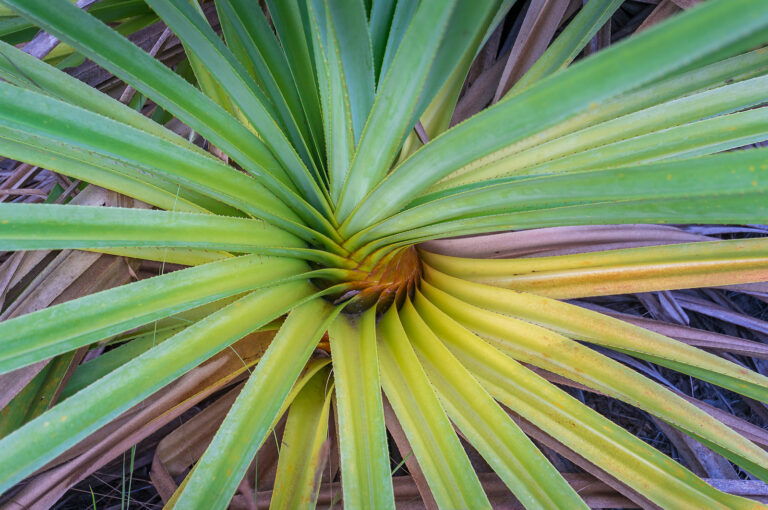
Water: Bromeliads are unique in that they store water in a central “cup” formed by their rosette of leaves. Keep this cup filled with water, refreshing it every week. Water the soil lightly, allowing it to dry slightly between waterings.
Humidity: Bromeliads enjoy humidity. Mist leaves occasionally or place the plant near a humidity tray if your home is dry.
Temperature: These tropical plants thrive in 60–80°F (15–27°C) and should be protected from drafts or sudden temperature changes.
Fertilizer: Feed with a diluted, balanced liquid fertilizer once a month during the growing season. Avoid over-fertilizing, which can damage the plant.
Top Bromeliads for Indoor Gardens
Here are some of the most popular bromeliads for indoor growing:
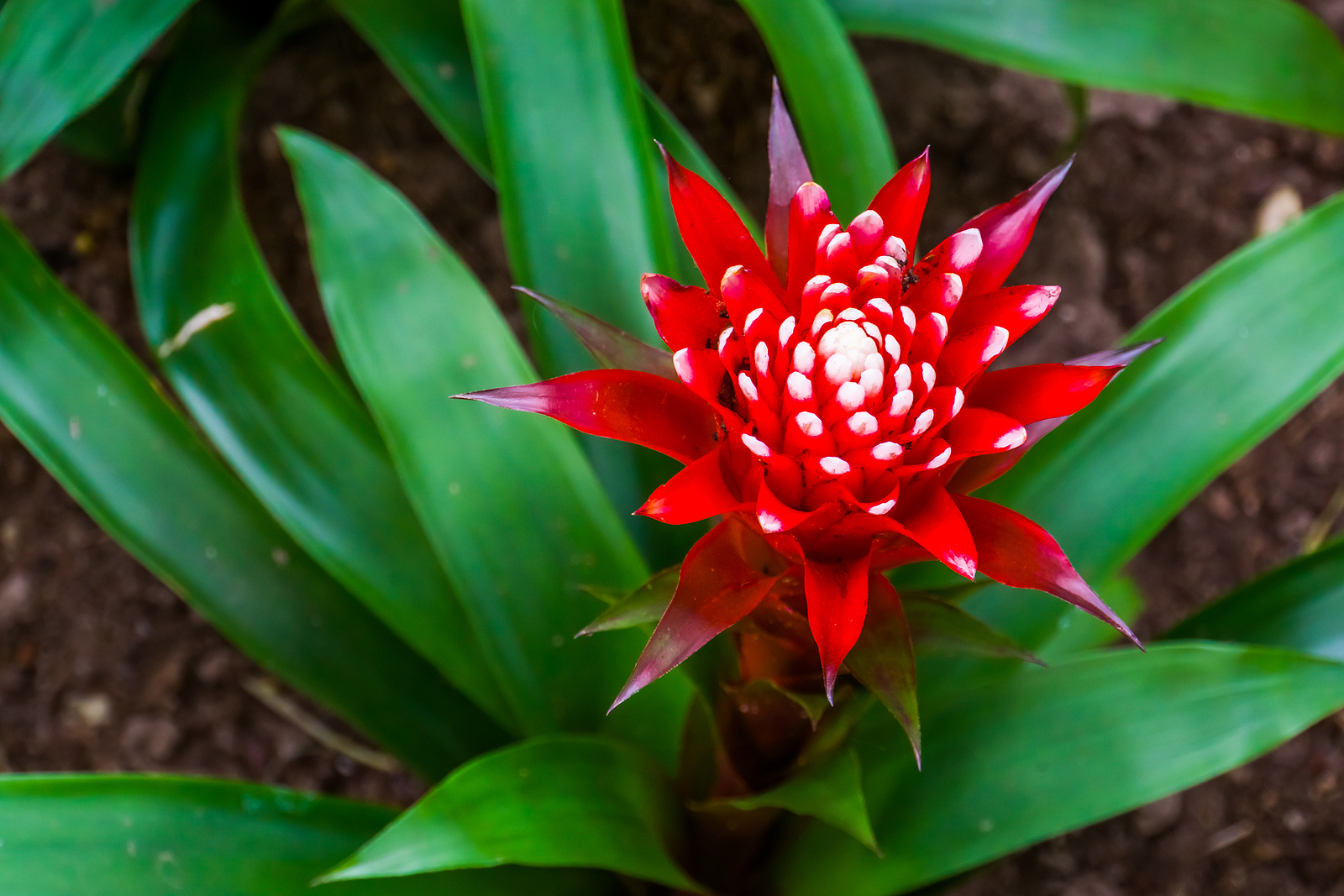
- Guzmania – Known for its vibrant red, yellow, or orange flower spikes, Guzmania is a classic indoor bromeliad. Its bright blooms make it a stunning centerpiece. Commonly called Scarlet Star.
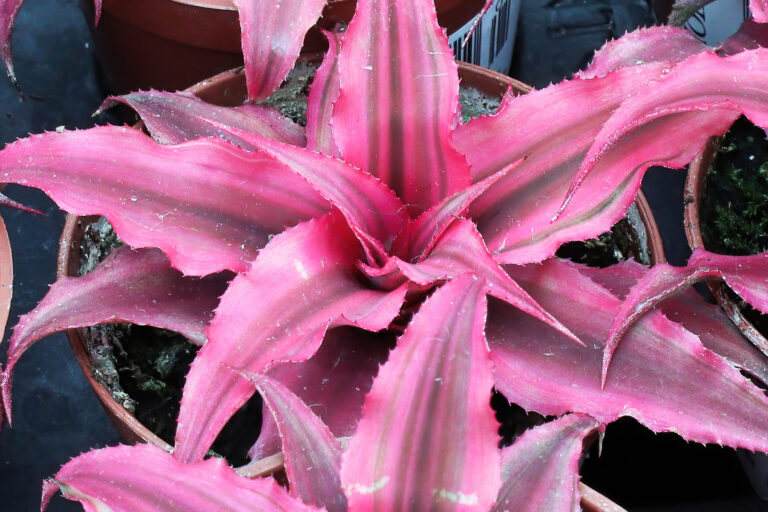
- Neoregelia – Famous for its colorful, cup-shaped rosettes, Neoregelia is prized for foliage color rather than flowers. It’s perfect for tabletops or terrariums. Commonly called Painted Leaf.
- Aechmea – Often called the “Urn Plant,” Aechmea produces striking, long-lasting flowers that can bloom for several months. Its bold structure adds height and drama to your indoor garden. Commonly called Urn Plant or Silver Vase.
- Billbergia – With tubular flowers and arching leaves, Billbergia adds an elegant, cascading look. Ideal for hanging baskets or high shelves. Commonly called Vase Plant or Cigar Plant.
- Vriesea – Vriesea bromeliads have patterned leaves and brightly colored flower spikes. They’re great for brightening up corners and require minimal care. Commonly called Flaming Sword.
Final Tips for Success
- Remove any dead leaves or faded flowers to keep your bromeliad looking its best.
- Many bromeliads produce “pups” or offsets after flowering. These can be separated and potted to grow new plants.
- Experiment with placement in your home—bromeliads can thrive in bathrooms, kitchens, or living areas as long as they get bright, indirect light.
With a little attention, bromeliads can reward you with vibrant colors and exotic flair year-round. Even beginners can enjoy the tropical beauty these unique plants bring indoors.
Indoor Bromeliad Reference Chart
| Bromeliad | Light | Water | Bloom Color | Notes |
|---|---|---|---|---|
| Guzmania | Bright, indirect | Keep cup filled; soil lightly moist | Red, yellow, orange | Classic centerpiece; long-lasting flowers |
| Neoregelia | Bright, indirect | Keep cup filled; occasional soil watering | Foliage color (red, purple) | Best for colorful rosettes; flowers secondary |
| Aechmea | Bright, indirect | Cup and soil watered lightly | Pink, red, blue | Dramatic, tall structure; blooms last months |
| Billbergia | Bright to medium indirect | Keep cup filled; soil dries slightly | Purple, pink, red | Cascading form; great in hanging baskets |
| Vriesea | Bright, indirect | Cup filled; soil lightly moist | Red, yellow, orange | Patterned leaves; low-maintenance and striking spikes |
Tips: Refresh the water in the central cup weekly, mist occasionally, and remove dead leaves. After flowering, separate pups to grow new plants.