How to Grow and Care for Aptenia

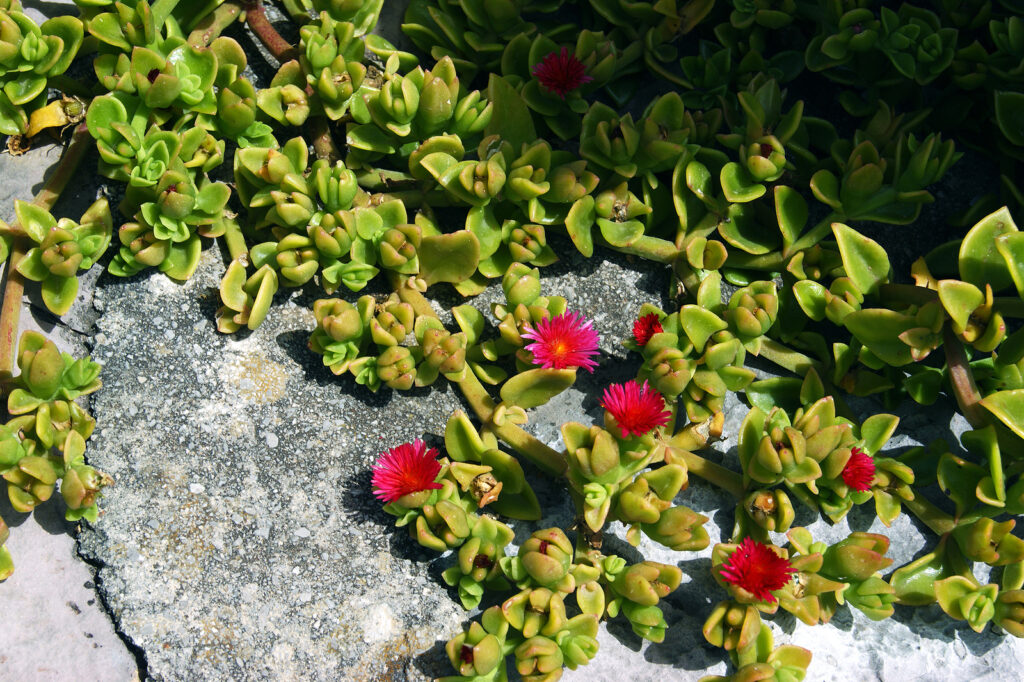
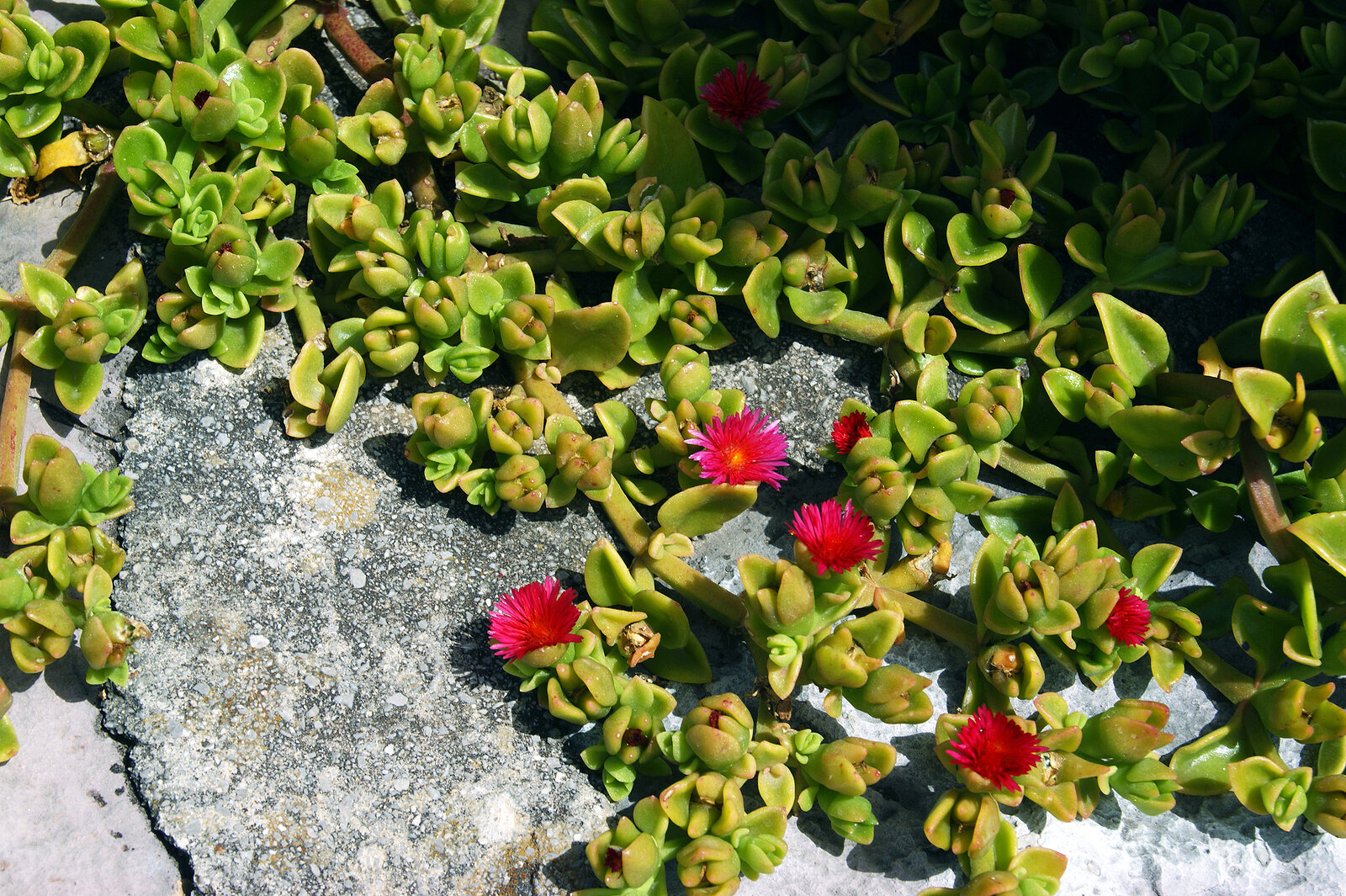
Aptenia, also known as baby sun rose or heartleaf ice plant, is a low-growing succulent plant that is native to South Africa. It has thick, fleshy green leaves that are heart-shaped and glossy, and produces vibrant pink or purple daisy-like flowers that bloom in abundance during the spring and summer months.
Aptenia is a genus of flowering plants in the Aizoaceae family, native to South Africa. The most common species is Aptenia cordifolia, also known as “heartleaf ice plant” or “baby sun rose.”
Aptenia is a popular ground cover plant due to its fast-growing nature and ability to spread quickly, forming a dense mat of foliage that can help control erosion. It thrives in full sun and well-draining soil, making it a great choice for rock gardens, containers, or hanging baskets. Aptenia is drought-tolerant and low-maintenance, making it an ideal choice for gardeners looking for a colorful and easy-to-care-for plant.
Aptenia is drought tolerant once established. It can be grown as a ground cover, in containers, or as a hanging plant. The plant produces bright, daisy-like flowers in shades of pink, red, or purple, which attract bees and butterflies.
Aptenia is easy to care for and requires minimal maintenance, making it a popular choice for beginner gardeners. Overall, Aptenia is a beautiful and versatile plant that adds color and interest to any garden or landscape. It can add a pop of color to any garden or patio space.
Where to Plant Aptenia
- Aptenia thrives in full sun to partial shade. Make sure to place it in a location where it receives at least 6 hours of sunlight per day.
- Aptenia prefers well-draining soil. Mix in some organic matter, such as compost, to improve the soil’s drainage.
Watering Aptenia
- Water Aptenia sparingly, as it is drought-tolerant. Allow the soil to dry out between waterings, as overwatering can cause root rot. Water only when the top inch of soil is dry to the touch.
- Overwatering can cause the roots to rot, so it is best to err on the side of underwatering.
Feeding Aptenia
- Aptenia does not require frequent fertilizing. You can apply a balanced, water-soluble fertilizer once a month during the growing season (spring to fall).
Pruning Aptenia
- Trim back any leggy or overgrown stems to encourage compact growth and maintain the plant’s shape.
- To encourage bushier growth and prevent legginess, prune aptenia plants regularly by pinching back the stems. This will also help to promote more flowering.
Aptenia Propagation
- Aptenia can be easily propagated from stem cuttings. Simply cut a 2-4 inch stem from the plant, remove the bottom leaves, and place in well-draining soil. Keep the soil moist until roots develop.
Aptenia Pests and Diseases
- Aptenia is generally pest and disease-resistant. However, watch out for aphids, mealybugs, and snails, which can occasionally infest the plant. Treat pest infestations promptly with insecticidal soap or neem oil.
- Aptenia can be susceptible to root rot if overwatered.
Aptenia Winter Care
- In colder climates, Aptenia may not be winter-hardy and will need to be brought indoors or protected from frost. Avoid watering during the winter months when the plant is dormant.