How Soil Structure and Biology Work Together in Regenerative Gardens

In a regenerative garden, healthy soil isn’t just a growing medium—it’s a living community. Soil structure and soil biology are two sides of the same coin: the physical framework and the life within it. Together, they create the balance of air, water, and nutrients that roots and microbes need to thrive.
When gardeners understand this relationship, they can build soil that regenerates itself—becoming richer, looser, and more resilient each year without heavy tilling or chemical inputs.
What Is Soil Structure?
Soil structure refers to how particles of sand, silt, and clay are arranged into aggregates—crumbly clusters that hold shape but allow movement of air and water. Good structure is key to deep rooting, steady moisture, and long-term fertility.
Compacted or degraded soil, by contrast, has poor structure: it crusts on top, drains slowly, and lacks air spaces.
What Is Soil Biology?
Soil biology is the vast web of living organisms beneath the surface—bacteria, fungi, protozoa, nematodes, insects, and earthworms. These organisms:
- Break down organic matter into plant-available nutrients.
- Build humus that stabilizes soil structure.
- Form symbiotic relationships with plant roots.
- Regulate disease and pest cycles.
Healthy soil biology constantly reshapes structure, creating a dynamic, self-sustaining ecosystem.
How Structure and Biology Support Each Other
- Microbes Build Aggregates
Fungi, bacteria, and actinomycetes release sticky compounds that bind soil particles into stable aggregates, increasing porosity and aeration. - Aggregates Protect Microbial Life
Inside aggregates, microbes are shielded from drying and temperature extremes, allowing them to thrive and multiply. - Roots and Fungi Form Living Pathways
Plant roots exude sugars that feed microbes, while fungal networks extend the root zone—improving nutrient and water exchange. - Earthworms Engineer the Soil
Their burrowing aerates the soil, and their castings enrich it with stable organic matter and beneficial microbes.
Together, these processes create a living feedback loop—biological activity improves structure, and good structure sustains biological activity.
Regenerative Gardening Practices That Strengthen the Cycle
- Add Organic Matter Continuously: Compost, mulch, and decomposing plant residues feed the soil food web.
- Grow Cover Crops: Living roots provide food and structure for microbial and fungal communities.
- Avoid Tillage: Disturbance destroys aggregates and fungal networks. Instead, use no-dig or minimal-disturbance methods.
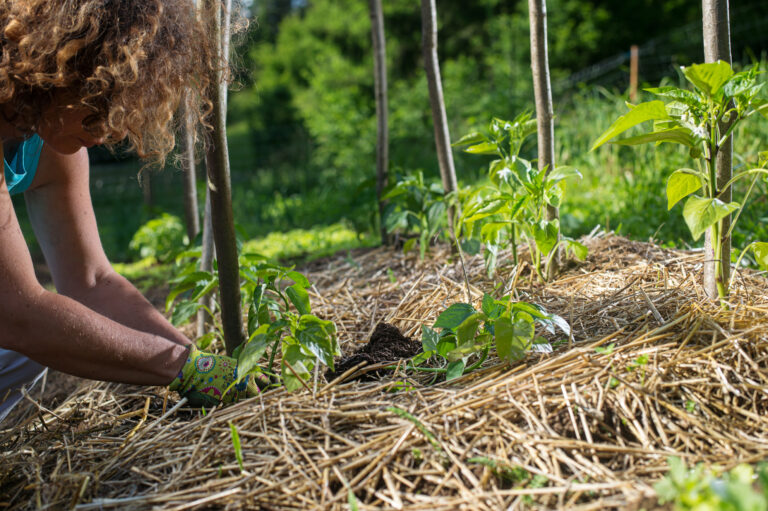
- Keep Soil Covered: Mulch protects against erosion, moderates temperature, and conserves moisture for soil life.
- Encourage Diversity: Plant variety aboveground supports microbial diversity belowground, building a more resilient ecosystem.
Measuring Soil Vitality
You’ll know your soil’s biological structure is improving when:
- Earthworms and fungal mycelium are visible.
- Soil smells earthy and sweet.
- Aggregates hold together when squeezed but crumble gently when handled.
- Plants show deep, even root growth.
My Experience
When I first started gardening in California’s Central Valley, I thought soil health came from fertilizers. Over time, I learned that the soil builds itself when given organic matter and care. In my Sonoma Valley beds today, I rarely till. Instead, I add compost each season, grow cover crops, and let the soil community do the work. The result is remarkable—rich, dark earth that drains perfectly, holds moisture, and produces vigorous vegetables year after year. Watching soil life create structure is like witnessing nature’s quiet engineering at its best.