How and When to Hill Potatoes for Bigger Yield

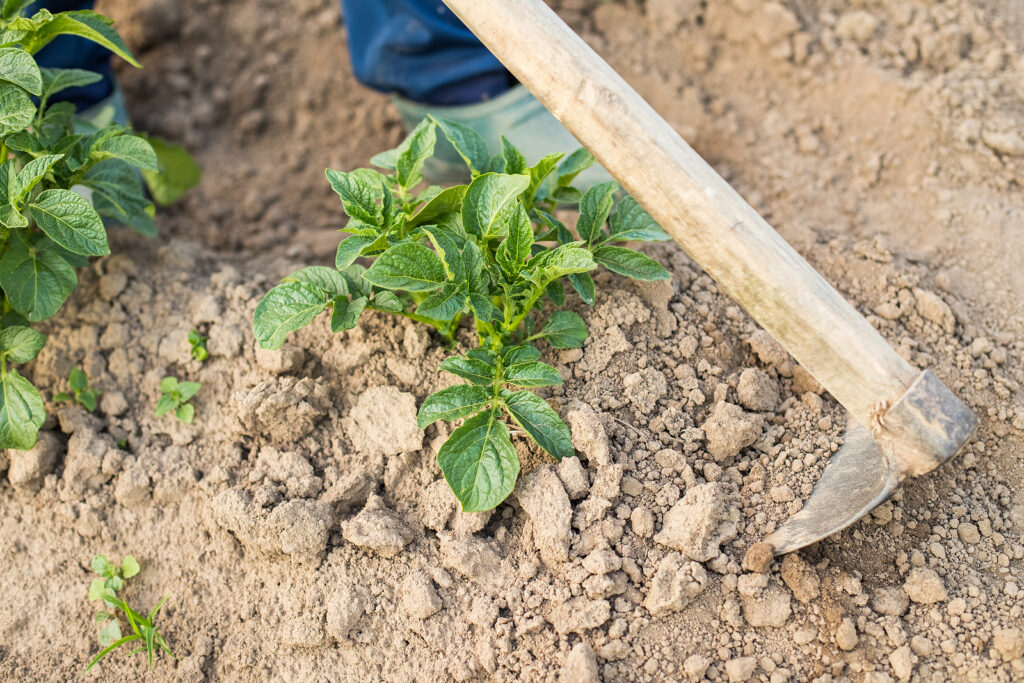
Hilling potatoes is one of the simplest ways to increase your yield and protect your crop. By covering the base of potato plants with soil as they grow, you create more space for tubers to form while keeping them safe from sunlight. After decades of growing potatoes in raised beds, mounded rows, and containers, I’ve found that consistent hilling can mean the difference between a modest harvest and a bumper crop.
Why Hilling Potatoes Works
- Encourages more tubers: Potatoes form along underground stems. Adding soil gives these stems more room to produce.
- Prevents greening: Tubers exposed to sunlight turn green and develop solanine, which is toxic.
- Suppresses weeds: Added soil blocks light from weed seeds.
- Protects from pests: A thicker soil layer can deter some insects from reaching the tubers.
When to Hill Potatoes
- First hilling: When plants are 6–8 inches tall, cover the lower third with loose soil or compost.
- Second hilling: When plants are 10–12 inches tall, repeat the process, covering stems but leaving several leaves exposed.
- Final hilling: Usually 2–3 weeks later, or when flowering begins. Stop hilling once plants are too tall to cover without burying leaves entirely.
How to Hill Potatoes
- Choose your hilling material: Use loose garden soil, compost, or straw. Avoid heavy, compacted soil.
- Hill gently: Mound soil around the plant base, leaving the top leaves uncovered.
- Repeat as needed: Maintain 4–6 inches of hilled soil to keep developing tubers covered.
- Water after hilling: Helps settle the soil and encourages root expansion.
My Gardener’s Tip:
In hot climates like my summer garden in Sonoma Valley, I sometimes hill with a mix of soil and straw. This keeps the root zone cooler while still encouraging tuber growth.
Potato Hilling Schedule
| Growth Stage | Plant Height | Action | My Experience Tip |
|---|---|---|---|
| Initial Growth | 6–8 inches | First hilling: mound soil around base, leaving top leaves exposed | Use loose soil or compost; avoid compacted dirt |
| Mid Growth | 10–12 inches | Second hilling: repeat mounding around stems | Ensure 4–6 inches of soil covers lower stems; water afterward |
| Flowering Stage | Flower buds appear | Final hilling if needed | Stop before burying leaves completely; monitor for tuber greening |
| Mature Plants | Foliage yellowing | No hilling | Let plants die back naturally; tubers are ready for harvest |
Potato Growing Hub
Start here: The Ultimate Potato Growing Guide: From Seed to Harvest
🥔 Varieties & Planting Prep
- Best Potato Varieties for Different Cooking Uses – Detailed profiles on varieties for boiling, baking, mashing, and roasting.
- Guide to Fingerling Potatoes: Growing, Cooking, and Varieties – Spotlight on fingerlings with care tips and culinary uses.
- How to Prepare and Cut Seed Potatoes for Planting – Step-by-step guide to maximize yield and reduce disease risk.
- Seed Potato Starting Tips – Ready your seed potatoes and plant
🌱 Planting & Early Growth
- How to Grow Potatoes in Containers: A Complete Guide – Soil, container size, watering, and harvesting tips for small-space growers.
- Grow Potatoes in Pots and Grow Bags: Seven Easy Steps
- 6 Easy Steps to Grow Organic Potatoes
- Companion Planting with Potatoes: What to Grow Together and Avoid – Maximize garden health and productivity through smart companion planting.
- Growing Potatoes in Mild Winter and Tropical Climates – Specific tips for successful potato cultivation in warmer regions.
- How to Identify Potato Growth Stages and Troubleshoot Problems – Recognize each growth phase and manage issues at every stage.
🌿 Care & Maintenance
- How and When to Hill Potatoes for Bigger Yields – Detailed instructions and timing for hilling to support tuber development.
- Watering Potatoes: Best Practices for Healthy Growth – Provide consistent moisture without risking rot or stress.
- Common Potato Pests, Disease, and Problems: Organic Solutions – Identification and natural control strategies for common pests.
- Crop Rotation Strategies for Potatoes to Prevent Soil-Borne Diseases – Plan your garden for long-term soil health and disease prevention.
🧺 Harvest & Storage
- Harvesting Potatoes: Signs of Maturity and Techniques to Avoid Damage – Know when potatoes are ready and how to harvest carefully.
- How to Harvest and Stoe Potatoes – Ideal temperature, humidity, and storage environments to keep potatoes fresh.
🍽️ Cooking & Kitchen Insights
- Testing Potato Starch Levels: Why It Matters and How to Do It – Understand starch content to choose the right potato for each dish.
- Seven Ways to Cook and Serve Potatoes – Easy ways to serve your potato harvest.
- How to Cook New Potatoes with No Recipe – Here’s how to get those little spuds on the table fast.