Growing Parsnips in Containers

Growing parsnips in containers is absolutely possible—you just need the right depth, the right soil mix, and consistent moisture. While parsnips will always perform best in the open garden or raised beds, I’ve grown many successful container crops in Sonoma Valley, especially when bed space was full. The key is giving parsnips the vertical room their long taproots require. Here’s exactly how to grow healthy, flavorful parsnips in pots.
Choose the Deepest Container You Can
Parsnips need 12–18 inches of root depth, ideally more.
Minimum container depth:
- 16–18 inches deep for full-size parsnip varieties
- 12–14 inches deep for short-root types like ‘Guernsey’ or ‘Half-Long’
Best container sizes:
- 5–7 gallon pots (deep style, not wide bowls)
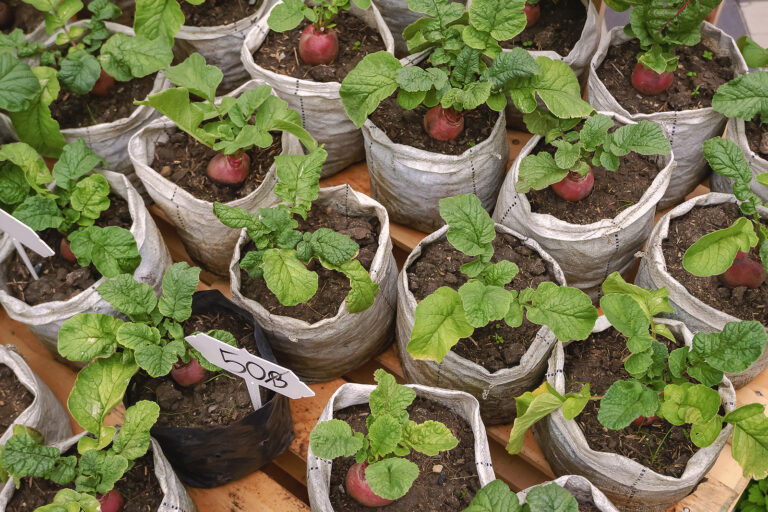
- Tall fabric grow bags (10–15 gallon)
- Deep, narrow planters designed for carrots and root crops
My experience:
Fabric grow bags have given me the straightest container-grown parsnips because the loose sides allow natural root expansion. Shallow pots always resulted in short, bent roots.
Use a Light, Fluffy Soil Mix
Parsnips will not grow well in dense or heavy soil. The mix must drain well while holding enough moisture to support slow germination.
My proven soil mix for container parsnips:
- 50% high-quality potting mix
- 25% coarse sand or pumice (improves drainage, prevents compaction)
- 25% screened compost (adds nutrients without excess nitrogen)
What to avoid:
- Pure garden soil
- Heavy compost-only mixes
- Fresh manure or strong nitrogen fertilizers (cause hairy, forked roots)
From my experience:
This light mix produces the straightest roots and prevents the compaction that often plagues container-grown parsnips.
Sow Seeds Directly Into the Container
Transplanting parsnips is not recommended—they resent root disturbance. Always sow directly.
- Fill the container to the top and water thoroughly.
- Sow seeds ½ inch deep in rows or a grid pattern.
- Sow thickly—parsnip seed germination is naturally low.
- Gently tamp the soil for good seed-to-soil contact.
Use fresh seed every year. Old parsnip seed rarely sprouts well.
Keep the Soil Evenly Moist for Germination
Container soil dries faster than garden soil, making moisture control the biggest challenge.
To ensure even germination:
- Cover the surface with a wooden board or moist burlap for the first 10–18 days.
- Check daily and remove the cover as soon as sprouts appear.
- Water gently to avoid soil crusting.
My experience:
The board method has been just as reliable in containers as in raised beds—without it, germination is uneven.
Thin Early for Strong Roots
When seedlings reach 2–3 inches tall, thin to:
- 3 inches apart for standard varieties
- 2 inches apart for shorter types
You’ll get fewer roots in pots, so proper spacing is essential.
Water Consistently Throughout the Season
Parsnips need steady moisture from germination through harvest.
Container watering tips:
- Water deeply whenever the top inch dries.
- Avoid letting the soil fully dry—this causes tough, woody roots.
- Mulch with fine compost to keep container soil cool and moist.
In hot Sonoma summers, I often water container parsnips daily.
Fertilize Lightly
Parsnips are not heavy feeders.
- Add compost at planting time.
- Midseason, side-dress with a small amount of compost tea or fish emulsion.
- Avoid nitrogen-heavy fertilizers entirely.
Overfeeding leads to leafy tops and poor roots.
Yield Expectations from Container Parsnips
Container-grown parsnips produce fewer but still high-quality roots.
Typical harvest from a 10-gallon container:
- 6–10 full-size parsnips
- Occasionally more if using a short-root variety
My experience:
While yields are modest, the roots are often beautifully shaped and tender because the potting mix remains loose and obstruction-free.
Harvest at the Right Time
Parsnips taste best after cool weather.
- Harvest 100–120 days after sowing.
- Leave them in the container through early winter for sweeter flavor.
- If the pot is mobile, move it to a cooler microclimate in fall to boost sweetness.
Final Thought
Growing parsnips in containers takes some planning, but with a deep pot, the right soil mix, and consistent moisture, you can harvest straight, sweet roots no matter how small your garden is. Container growing has allowed me to keep parsnips in rotation even when bed space is tight—and the results are always worth it.
Parsnip Learning Hub
Start here: How to Plant, Grow, and Harvest Parsnips: A Complete Guide
Planting & Timing
- When to Plant Parsnips: Best Soil Temperature & Seasonal Timing Explained
- How to Prepare Soil for Parsnips: Bed Prep, pH, and Amendments
- Parsnip Seed Germination Tips: How to Ensure Even, Fast Sprouting
Location & Setup
- Where to Grow Parsnips: Sun, Soil, and Garden Bed Requirements
- How to Grow Parsnips in Raised Beds
- Growing Parsnips in Containers: Soil Mix, Size, and Yield Expectations
Planting Techniques
- Parsnips Seed Starting Tips
- How to Plant Parsnip Seeds for Straight, Long Roots
- Parsnip Spacing Guide: Row Spacing, Thinning, and Root Development
Care & Maintenance
- How to Water Parsnips: Moisture Needs at Every Stage
- How to Feed Parsnips: Fertilizer Timing and Organic Amendments
- Parsnip Care Guide: Mulching, Weeding, and Protecting Roots
Companions & Intercropping
Pest & Diseases
Harvest & Kitchen
- How to Harvest and Store Parsnips
- How to Preserve Parsnips: Freezing, Drying, and Cellaring
- Five Ways to Cook and Serve Parsnips
Varieties