Florence Fennel Planting Basics: Depth, Spacing, Germination

Florence fennel—also called finocchio—is a cool-season vegetable that rewards precise planting with crisp, aromatic bulbs. After growing fennel for many seasons in my Sonoma Valley garden, I’ve learned that the way you sow and space fennel determines whether you get full, tender bulbs or stringy, split ones. Here’s how to plant it right the first time.
Why Planting Technique Matters
Florence fennel forms a swollen bulb at the stem base, and that bulb only develops properly when seedlings have enough space, steady moisture, and cool temperatures. Poor spacing or shallow planting is one of the top reasons bulbs fail to size up. Getting the early steps right makes the rest of the season easier.
Planting Depth
- Sow seeds ¼ inch deep—just enough to cover them with loose, fine soil.
- Fennel seeds need light contact with soil but not heavy coverage.
- If sowing in warm conditions, a slightly deeper depth (⅜ inch) helps prevent drying.
EEAT Insight: I’ve found that shallow sowing is essential because fennel’s fine seed struggles to push through heavy soil crusting. Using sifted compost or potting mix for the top layer improves emergence.
Plant Spacing
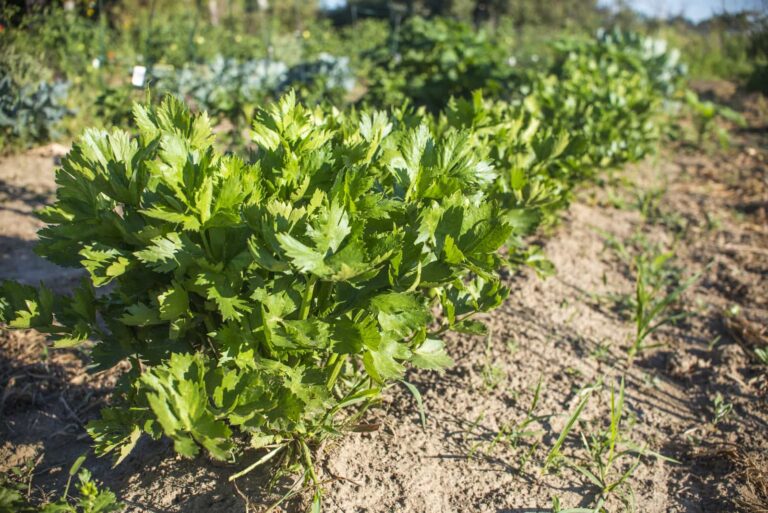
- Thin seedlings to 8–10 inches apart for full-size bulbs.
- Space rows 12–18 inches apart for airflow and easy access.
- For baby fennel, you can space as close as 4–6 inches apart.
Why spacing matters: Crowding leads to flattened or elongated bulbs because plants compete for light and nutrients. I consistently get the best bulb shape when I give each plant its own space to widen naturally.
Germination Tips
Florence fennel germinates best in 60–70°F soil, which often means sowing:
- Early spring in cool climates
- Late summer to early fall in warm-summer regions like mine
Key germination practices:
- Keep soil evenly moist, never waterlogged.
- Use a light mulch of screened compost to prevent surface drying.
- Expect sprouting in 7–14 days, longer in cool soil.
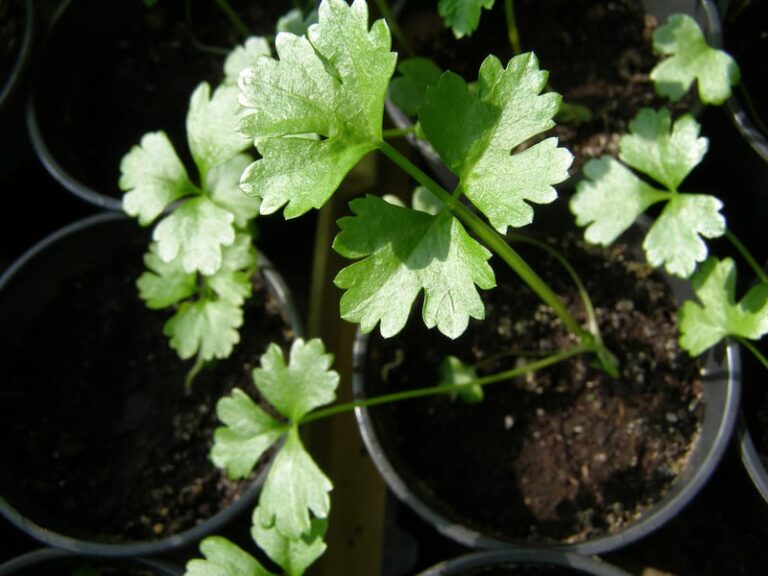
EEAT note from experience: Summer sowing can be tricky—hot soil drastically reduces germination. I often start Florence fennel in cell trays during late summer, then transplant once temperatures moderate.
Transplanting Notes
You can transplant Florence fennel, but timing is crucial:
- Transplant when seedlings are 2–3 inches tall, before they become rootbound.
- Plant them at the same depth they were growing in trays.
- Disturb the roots as little as possible—rough handling can cause bolting.
Final Tips for Strong Starts
- Use fresh seed; fennel seed loses viability quickly.
- Choose a bed with full sun and fertile, well-draining soil.
- Plant at the right season—cool conditions are your friend.
With the right depth, spacing, and germination care, Florence fennel becomes a dependable, flavorful crop for fall and spring gardens.
Florence Fennel Learning Hub
Start Here / Overview
Planning and Preparation
- Best Site and Soil for Growing Florence Fennel
- When to Plant Florence Fennel: Spring and Fall Timing
- Florence Fennel Sowing Dates by Last Frost: Region-by-Region Guide
- The Best Florence Fennel Varieties for Home Gardeners
Planting and Growing
- Florence Fennel Planting Basics: Depth, Spacing, Germination
- How to Start Florence Fennel from Seed
- How to Plant and Space Florence Fennel for Large, Sweet Bulbs
- How to Care for Florence Fennel: Blanching, Pruning, and Prevent Bolting
- Common Reasons Florence Fennel Fails to Bulb
- How to Grow Florence Fennel in Containers
Companion Planting
Care and Maintenance
- How to Water and Fertilize Florence Fennel for Flavorful Bulbs
- Common Florence Fennel Pests and Diseases and How to Prevent Them
Harvesting
Storage and Preservation
Cooking and Serving