Drought tolerant annuals and perennials are plants that can withstand dry soil after their roots are established. No plant is drought-resistant until it become established.
All plants require a steady supply of moisture when first planted. Once a plant is established and has a deep root system, it requires less water.
Annuals and perennials started in spring when the soil is relatively moist can set down roots and then survive dry weather. It is best to start drought-tolerant annuals and perennials in the spot they will grow through dry weather rather than transplant them into the garden when the weather is hot and dry.
Stephen Albert is a horticulturist, master gardener, and certified nurseryman who has taught at the University of California for more than 25 years. He holds graduate degrees from the University of California and the University of Iowa. His books include Vegetable Garden Grower’s Guide, Vegetable Garden Almanac & Planner, Tomato Grower’s Answer Book, and Kitchen Garden Grower’s Guide. His Vegetable Garden Grower’s Masterclass is available online. Harvesttotable.com has more than 10 million visitors each year.
Nepeta, also known as catnip or catmint, is a hardy perennial plant that is relatively easy to grow. Nepeta is a perennial herb that belongs to the mint family, Lamiaceae. It is a bushy plant with gray-green leaves that have a pungent aroma when crushed. Nepeta produces small, lavender-blue flowers that bloom in spikes during…
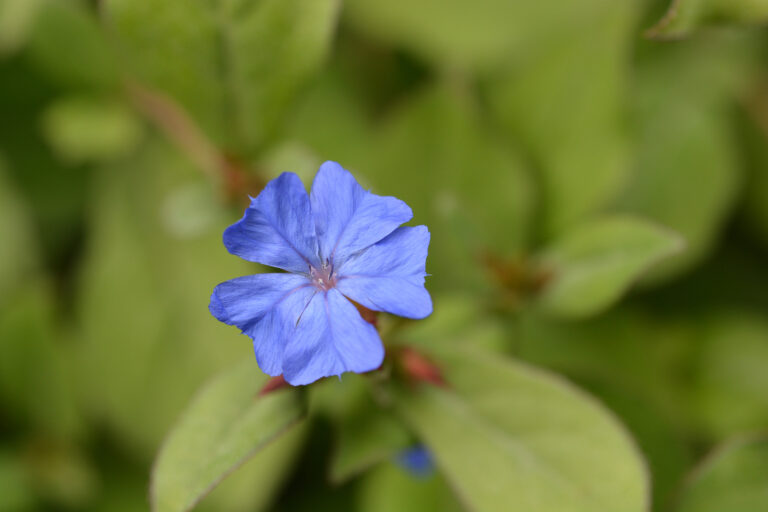
Ceratostigma–commonly called dwarf plumbago, sometimes called leadwort–is a low-creeping, semi-woody perennial with deep gentian blue flowers from mid-summer to autumn. It is a sturdy groundcover under the dry shade of large shrubs and trees. Leaves commonly turn deep orange in autumn adding seasonal flair to the garden. Ceratostigma is not to be confused with a…
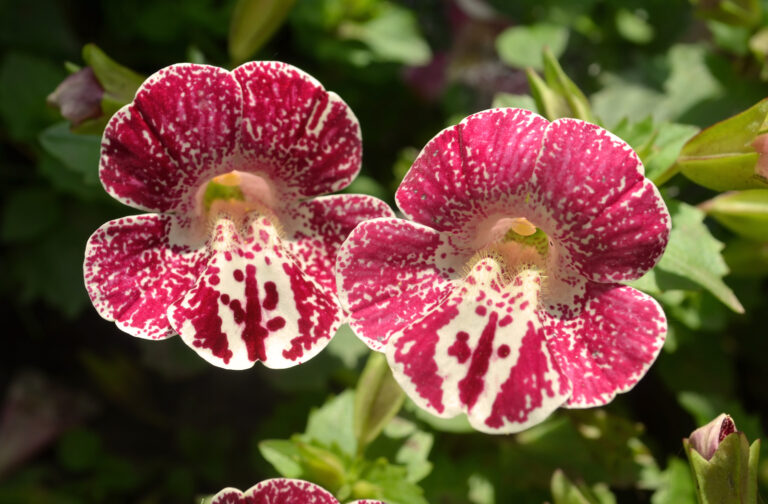
Mimulus–commonly called monkey flower–is a spreading perennial commonly grown as an annual. Mimulus produce dragon-like two-lipped flowers that cover the plant from summer to early fall. Flowers bloom in shades of red, pink, yellow, and orange. Flowers are often spotted with contrasting colors. The Mimulus genus includes about 150 species of annuals, perennials, and shrubs….
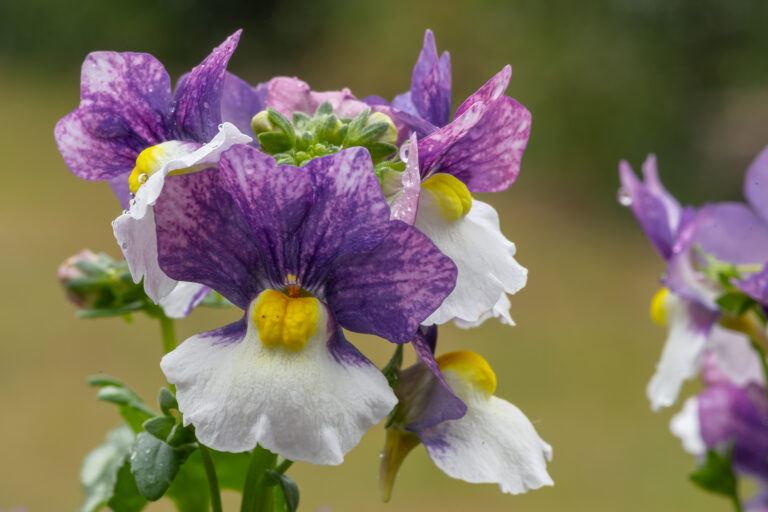
Nemesia is a charming and versatile flowering plant known for its vibrant colors and delicate, fragrant blooms. Originating from South Africa, nemesia is typically grown as an annual, though it can be perennial in warmer climates. Here’s a detailed overview of nemesia and how to use it in the home garden: Characteristics of Nemesia Ideal…
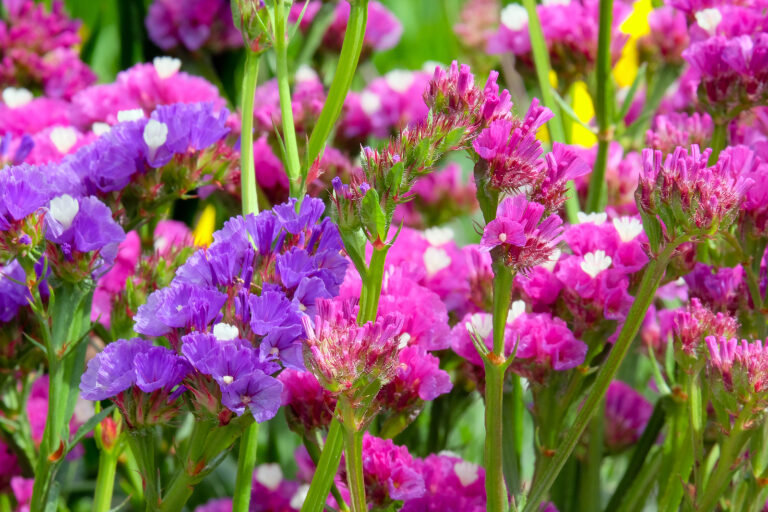
Limonium species are commonly known as sea lavender or statice. Statice is the former botanical name for this genus of 150 species of perennials, biennials, and annuls. Limonium–commonly called statice–bears small spiked or clustered flowers in summer. Flowers have a papery texture and can be white, yellow, rose, lavender, or blue. Plants form a basal…
Seasonally, bulbs are usually divided into two main groups–the first being generally termed “fall bulbs” which means those that are dormant and should be planted in late summer and fall; and the second being called “spring bulbs,” meaning those that are dormant over the winter and must be planted in early spring. Fall bulbs include…
Gardening Tips in your Inbox!
Subscribe today to get our weekly recipe newsletter! You don’t want to miss out!