Direct Sow or Transplant? When to Start Seeds Indoors and Move Vegetables Into the Garden

One of the most important decisions vegetable gardeners make each season is whether to direct sow seeds in the garden or start crops indoors for transplanting later. The right choice affects germination speed, plant health, harvest timing, and overall garden success.
Some vegetables grow best when seeded directly into warm soil. Others benefit from an early indoor start that gives plants a head start before outdoor conditions fully stabilize.
The key is understanding both soil temperature and crop type.
After decades of gardening year-round in raised beds and wide rows in Sonoma Valley, I’ve found that soil temperature is often more important than the calendar when deciding whether to sow or transplant. Warm-season crops especially can struggle badly in cool soil, even when daytime air temperatures feel pleasant.
Know What to Plant This Week
Every week I answer the gardener's most important question: what should I plant now? Get seasonal planting advice free — or go Pro for my full Soil Temperature Garden Report, with soil temperature, moisture, weather trends, and crop-by-crop recommendations.
Using transplants strategically allows gardeners to bypass slow spring soil and move crops forward while waiting for consistent outdoor warmth.
Direct Sowing vs Transplanting
Direct Sowing
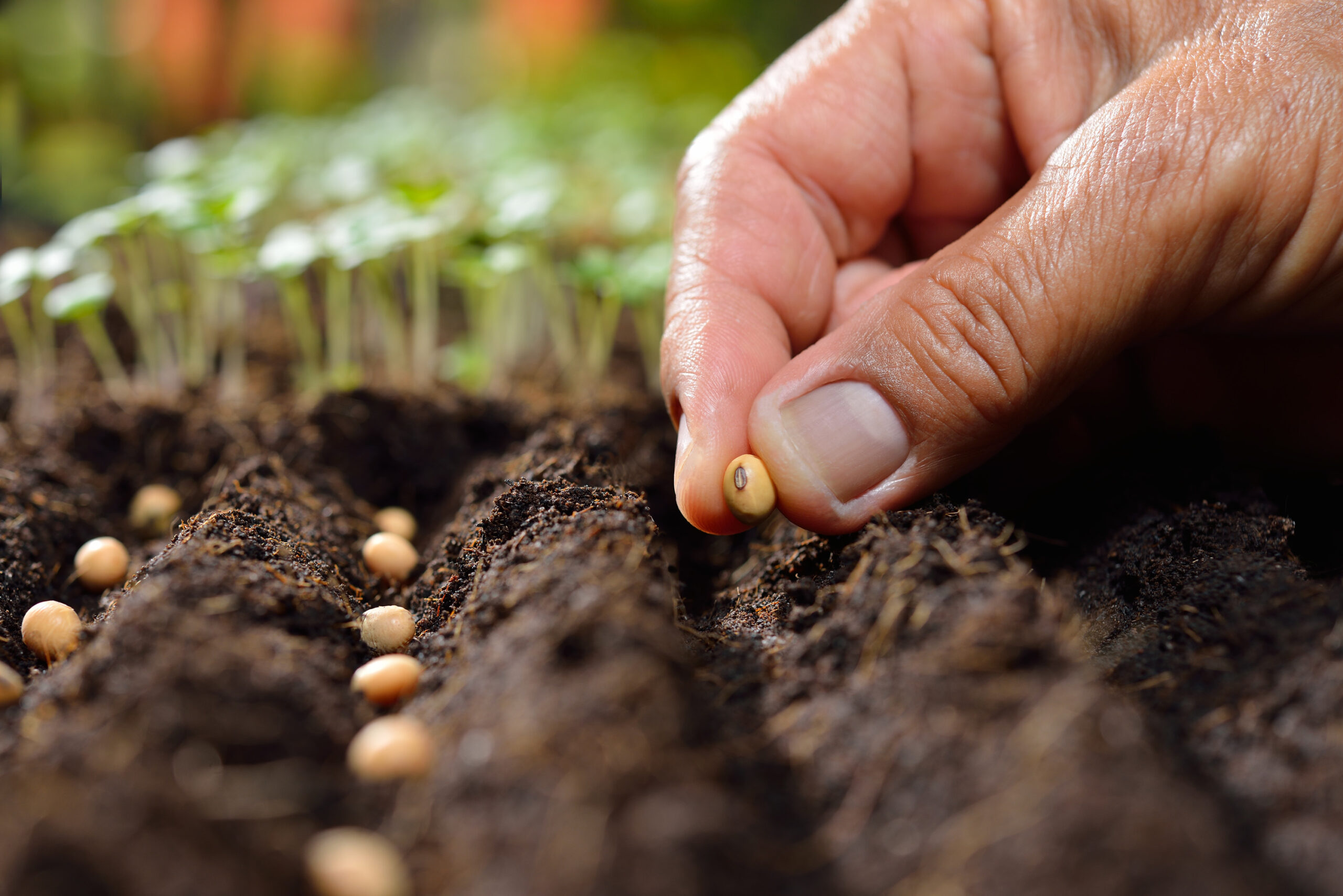
Direct sowing means planting seeds directly into the garden where the crop will mature.
Direct sowing works best for:
- root crops
- fast-growing crops
- crops sensitive to root disturbance
- vigorous warm-season germinators once soil warms
Transplanting
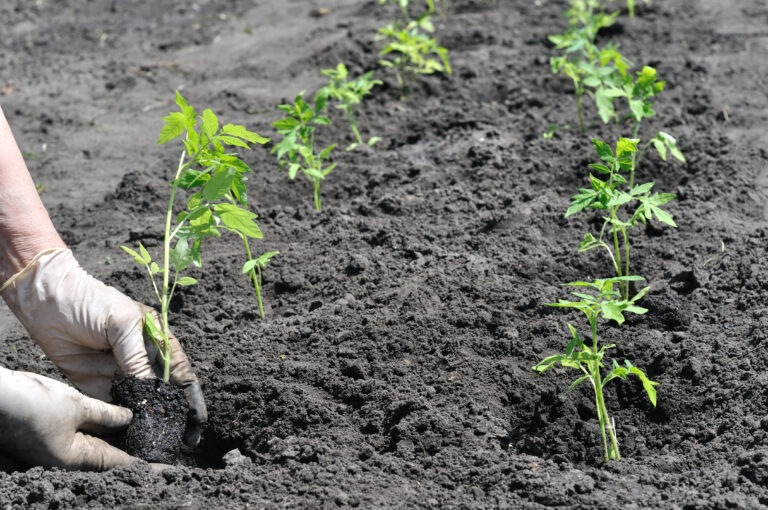
Transplanting involves starting seeds indoors or purchasing starts, then moving established seedlings into the garden later.
Transplanting works best for:
- long-season crops
- heat-loving vegetables
- slow starters
- crops needing early establishment
The goal is to match each crop to the growing conditions it prefers.
Why Soil Temperature Matters
Soil temperature directly affects:
- germination speed
- root development
- transplant recovery
- disease risk
- nutrient uptake
Seeds planted into cold soil may rot, germinate unevenly, or stall for weeks. Warm soil allows rapid emergence and vigorous growth.
For many warm-season vegetables, soil temperature matters more than air temperature.
Cool-Season Crops: Direct Sow vs Transplant
Cool-season crops generally tolerate colder soil and often germinate well between 45–60°F.
Best Cool-Season Crops for Direct Sowing
Carrots
- direct sow outdoors at 50°F soil
- do not transplant well due to taproot disturbance
Radishes
- direct sow at 45–50°F soil
- fast germination in cool conditions
Spinach
- direct sow at 45–50°F soil
- prefers cool weather establishment
Beets
- direct sow at 50°F soil
- transplanting usually unnecessary
Turnips
- direct sow at 50°F soil
- rapid cool-weather germination
Peas
- direct sow at 45–50°F soil
- transplanting rarely worthwhile
Cool-Season Crops Often Started Indoors
Broccoli
- start indoors 4–6 weeks before transplanting
- transplant outdoors at 50–55°F soil
Cabbage
- start indoors 4–6 weeks early
- transplant at 50–55°F soil
Cauliflower
- start indoors 4–6 weeks early
- transplant at 55°F soil
Kale
- start indoors 4–5 weeks early or direct sow
- transplant at 50–55°F soil
Lettuce
- start indoors 3–4 weeks early or direct sow
- transplant at 50°F soil
Celery
- start indoors 8–10 weeks early
- transplant at 55°F soil
Leeks and onions also benefit from early indoor starts because of their long growing period.
Warm-Season Crops: Direct Sow vs Transplant
Warm-season vegetables are much more sensitive to cold soil. Many struggle until soil temperatures consistently remain above 60°F.
Warm-Season Crops Commonly Direct Sown
Bush Beans
- direct sow once soil reaches 60°F
- ideal germination at 65–70°F
Pole Beans
- direct sow at 60–65°F soil
- rapid climbing growth in warm soil
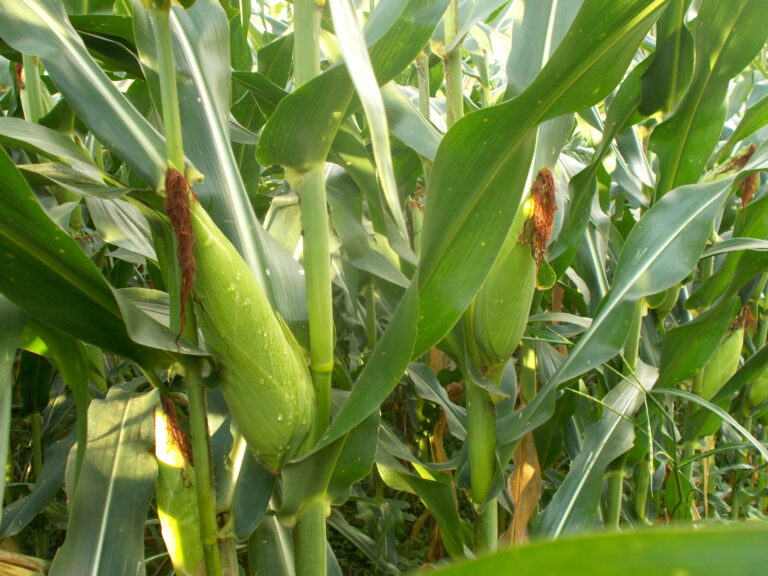
Sweet Corn
- direct sow at 60°F minimum
- strongest emergence at 65°F+
Cucumbers
- direct sow at 65°F soil
- may rot in cool spring soil
Summer Squash and Zucchini
- direct sow at 65°F soil
- rapid germination in warm conditions
Melons and Watermelons
- direct sow at 70°F soil
- require sustained warmth
Warm-Season Crops Usually Best Transplanted
Tomatoes
- start indoors 6–8 weeks before transplanting
- transplant outdoors once soil reaches 60–65°F
Peppers
- start indoors 8–10 weeks early
- transplant at 65°F+ soil
Eggplant
- start indoors 8–10 weeks early
- transplant at 65–70°F soil
Basil
- start indoors 4–6 weeks early or direct sow later
- transplant outdoors at 65°F soil
Tomatillos
- start indoors 6–8 weeks early
- transplant at 60–65°F soil
These crops benefit greatly from transplanting because indoor growth bypasses slow early spring conditions.
Conservative Spring Strategy
During periods when soil temperatures remain inconsistent below 60°F, I usually favor transplants over direct sowing for heat-loving crops.
Direct Sow Carefully or Delay
- beans → sow lightly in the warmest beds only
- cucumbers and squash → often delayed until soil stabilizes
- basil → direct sow only in very warm microclimates or containers
Preferred Transplants During Transitional Soil Temperatures
Tomatoes
- continue transplanting into warming soil
- focus on root establishment before heavy fruiting
Cucumbers and Squash
- transplants bypass slow or uneven germination
Peppers and Eggplant
- usually wait until soil consistently warms further before transplanting outdoors
This approach keeps the garden moving forward without risking seed rot or stalled growth.
Why Transplants Often Win Early
Using transplants early in the season allows gardeners to:
- bypass cold soil delays
- reduce seed rot risk
- accelerate harvest timing
- establish stronger early root systems
- take advantage of limited growing seasons
In cooler regions or variable springs, transplants can provide several weeks of additional production time.
My Experience With Direct Sowing and Transplants
Over many years of gardening, I’ve learned that timing matters more than rushing. Warm-season crops planted too early into cold soil often remain stunted for weeks, while slightly later plantings into warm soil quickly catch up and outperform them.
I now rely heavily on soil temperature to decide whether a crop should be direct sown or transplanted. In my Sonoma Valley garden, once soil reaches the mid-60s, cucumbers, squash, beans, basil, tomatoes, and peppers begin growing aggressively with much less stress.
Healthy early establishment almost always leads to better long-term production.
Final Thought
The decision to direct sow or transplant should be based on crop type, soil temperature, and seasonal timing—not simply the calendar.
Cool-season crops often thrive from direct sowing into cool soil, while warm-season crops usually perform better when transplanted into reliably warm ground. Understanding this balance helps create stronger plants, earlier harvests, and a more productive vegetable garden overall.