Vegetable Garden Bed Transitions: Real Relay Planting Rotations for Continuous Harvests

One of the biggest differences between beginner gardens and highly productive gardens is what happens after a crop finishes.
In many gardens, harvested beds sit empty for days or even weeks while gardeners decide what to plant next. But in productive vegetable gardens, beds move continuously from one crop into another through a process called relay planting.
Relay planting creates smooth seasonal handoffs:
one crop finishes → the next crop immediately begins.
Know What to Plant This Week
Every week I answer the gardener's most important question: what should I plant now? Get seasonal planting advice free — or go Pro for my full Soil Temperature Garden Report, with soil temperature, moisture, weather trends, and crop-by-crop recommendations.
Instead of viewing crops as isolated plantings, relay planting treats the entire garden as a continuous seasonal rotation driven by soil temperature, plant maturity, and succession timing.
After decades of gardening year-round in Sonoma Valley, I’ve found that the most productive beds are rarely empty. As spring crops finish, warm-season crops move in almost immediately while soil is warm, biologically active, and ready for rapid new growth.
With soil temperatures now averaging about 67°F in my garden and nights remaining in the low 50s, the garden has fully entered the summer relay phase. Warm-season crops now establish quickly with very little delay between plantings.
At this stage of the season, beds should transition within days—not weeks.
Why Bed Transitions Matter
Fast bed transitions help:
- maximize production space
- maintain continuous harvests
- keep roots active in soil
- improve soil biology
- reduce weed pressure
- stabilize soil moisture
- improve seasonal succession timing
The goal is not simply replacing crops.
The goal is maintaining continuous garden momentum.
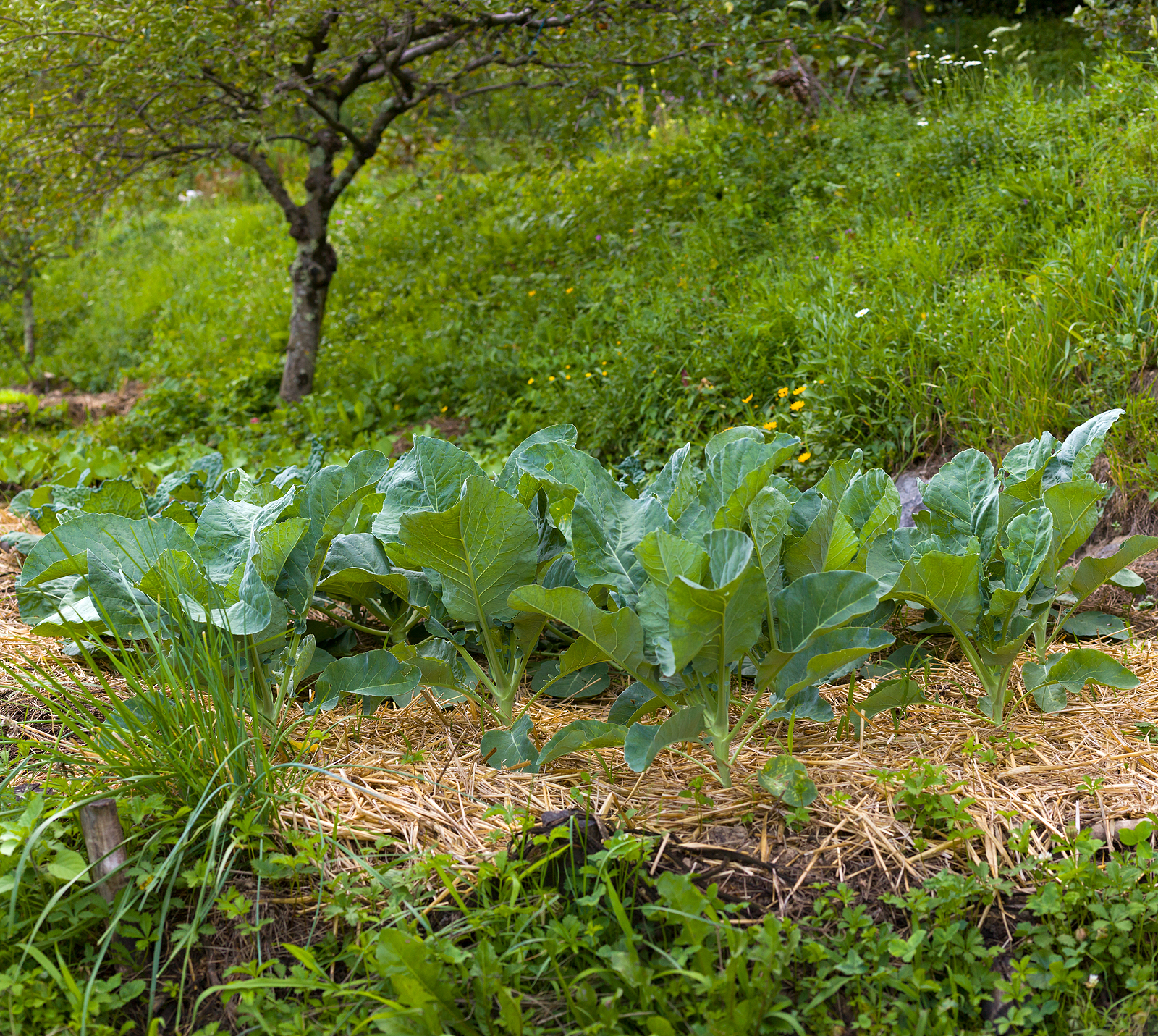
🌿 Cabbage → Peppers + Basil Relay
The Transition
- cabbage harvested
- bed lightly amended
- peppers transplanted
- basil underplanted between peppers
Once soil temperatures reach the mid-to-upper 60s, peppers establish far more reliably and begin rapid canopy growth.
Basil fills lower gaps while helping shade soil and increasing summer harvest diversity.
Why This Rotation Works
Cabbage finishes before peak summer heat while peppers thrive once nights warm. The transition naturally follows the seasonal warming pattern.
🌱 Spinach → Bush Bean Succession Relay
The Transition
- spinach bolts or finishes
- bed cleared quickly
- bush beans direct sown immediately
- second sowing follows 2–3 weeks later
This is one of the most dependable early-summer relay systems in my garden.
Why This Rotation Works
Spinach prefers cool conditions and declines rapidly as temperatures rise. Bush beans germinate aggressively once soil temperatures pass 60°F.
The timing creates a nearly seamless handoff.
🥬 Lettuce → Trellised Cucumbers Relay
The Transition
- lettuce harvested heavily
- trellis installed immediately
- cucumbers planted at base
- basil or scallions added as living mulch
At warm soil temperatures, cucumbers emerge rapidly and quickly begin vertical growth.
Why This Rotation Works
Lettuce occupies low spring canopy space while cucumbers later expand upward into vertical summer production.
The relay uses both seasonal timing and vertical space efficiently.
🌿 Broccoli → Tomatoes + Edge Plantings Relay
The Transition
- broccoli harvested
- side shoots allowed briefly
- tomatoes transplanted deeply
- carrots, basil, or scallions planted at edges
Once soil reaches about 65–70°F, tomatoes move from slow establishment into aggressive vegetative growth.
Why This Rotation Works
Broccoli finishes before tomatoes fully dominate summer space. Edge crops continue producing while tomato canopy develops.
This creates layered production within the same bed.
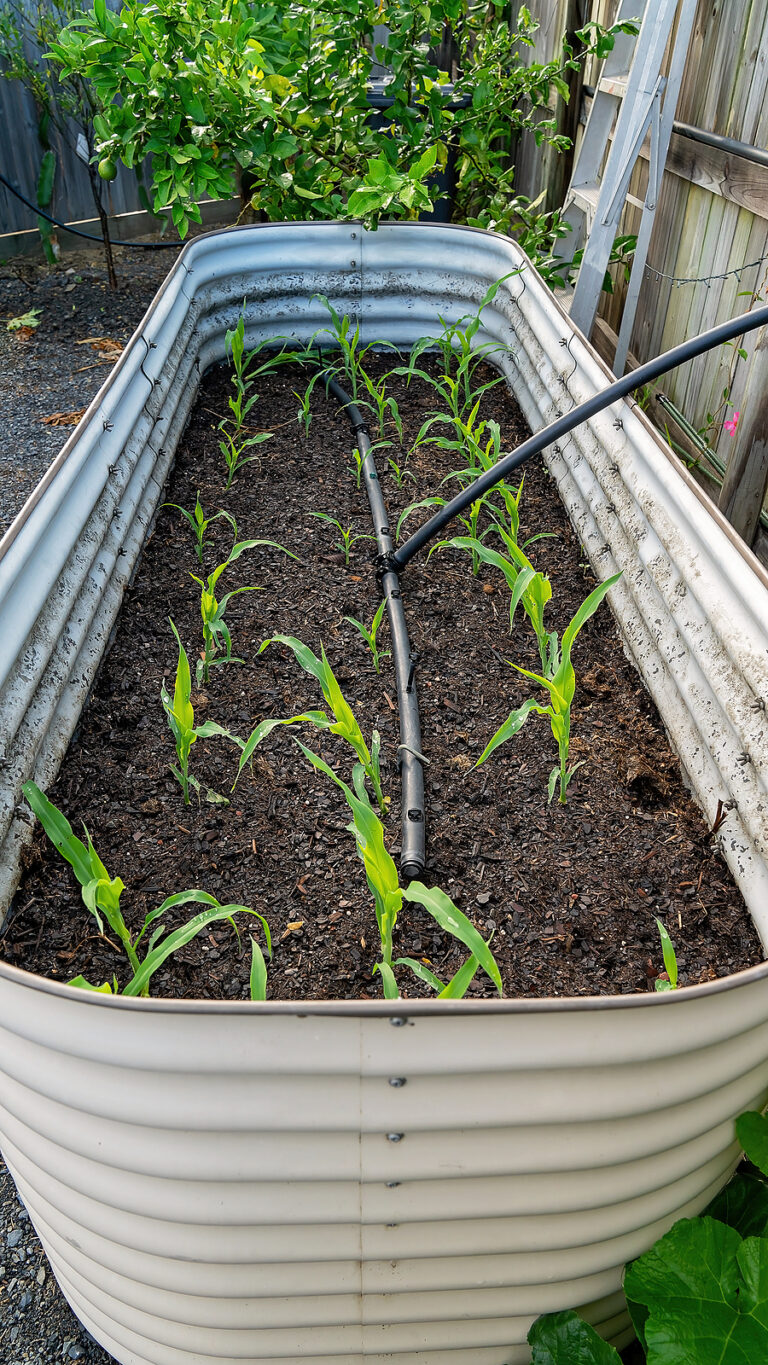
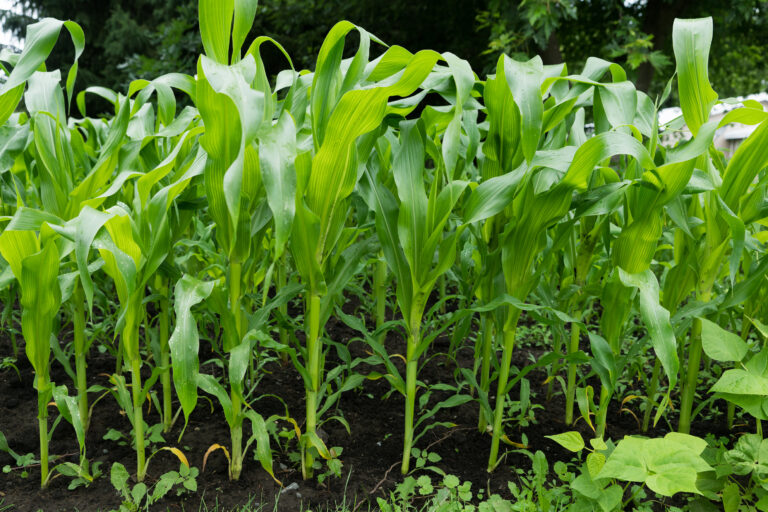
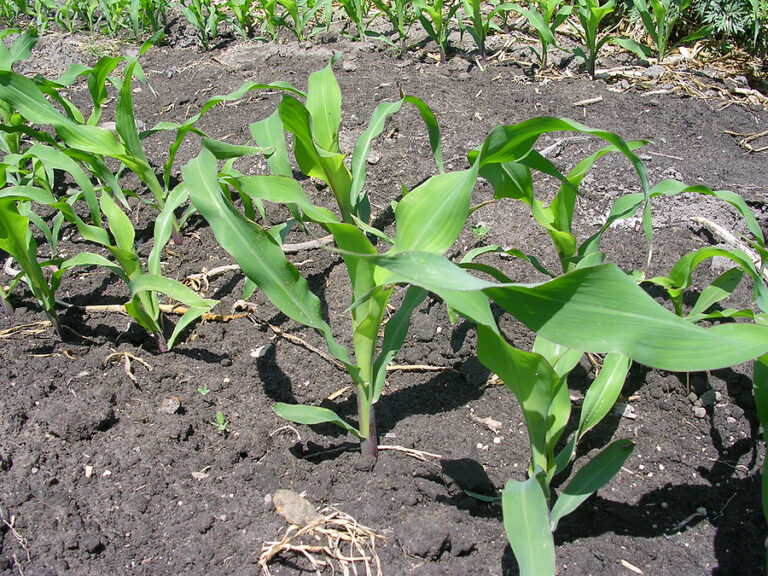
🌽 Peas → Sweet Corn + Beans Relay
The Transition
- pea vines removed after harvest
- sweet corn planted in blocks
- bush beans or squash planted nearby for succession
This creates a strong summer expansion system.
Why This Rotation Works
Peas improve soil structure and leave behind biologically active root zones. Corn establishes rapidly once soil temperatures warm, while beans and squash fill surrounding space.
The bed transitions from cool vertical production into dense summer canopy production.
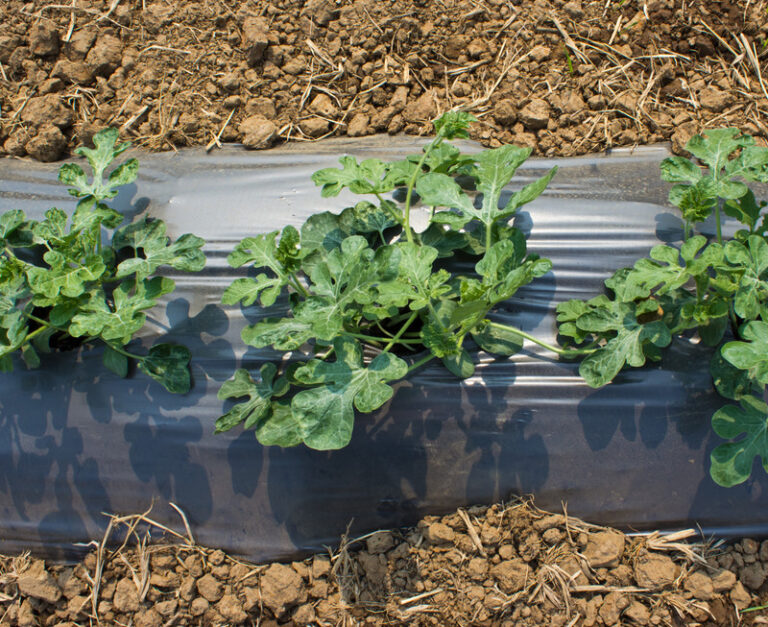
🌼 Radishes and Greens → Summer Squash Relay
The Transition
- radishes and greens harvested quickly
- squash planted into center space
- basil or flowers planted around edges
At warm soil temperatures, squash expands rapidly into large-leaf summer growth.
Why This Rotation Works
Fast spring crops clear early while squash benefits from fully warming soil and increasing day length.
Pollinator flowers help support heavy squash flowering later in summer.
The Core Relay Principle
Each productive garden bed functions as a relay system:
cool-season crop finishes → soil opens → warm-season crop establishes immediately → succession planting fills gaps → full summer canopy develops
As soil warms, the goal shifts from simply planting crops to maintaining continuous production flow.
Empty soil loses valuable growing time.
My Experience With Bed Rotations
Over many years of gardening in raised beds and wide-row systems, I’ve learned that timing matters as much as planting itself. The fastest garden transitions almost always happen once soil temperatures stabilize above 65°F. At that point, tomatoes, cucumbers, beans, basil, squash, and peppers establish rapidly enough that beds can move almost seamlessly from spring production into summer production.
I now think about beds seasonally rather than crop-by-crop. Every bed already has a “next crop” planned before the current crop finishes.
That planning keeps the garden continuously productive for much longer periods.
Final Thought
The most productive vegetable gardens are not built around isolated crops. They are built around smooth seasonal transitions.
When gardeners begin treating beds as relay systems instead of single-use spaces, the garden becomes more productive, more efficient, and far more connected to the natural rhythm of soil temperature and seasonal growth.