Cool Season Vegetable Garden Care for Spring

Plant Care and Garden Maintenance for the Spring Garden
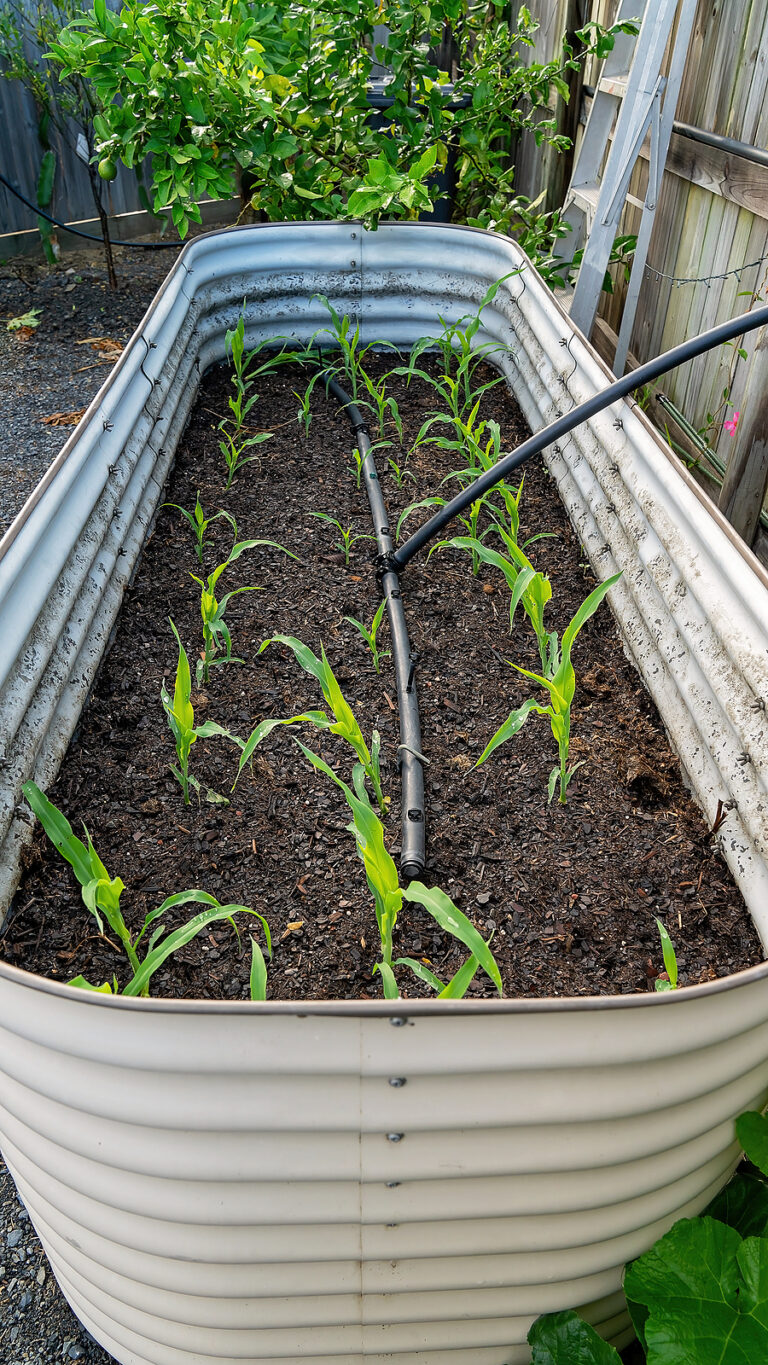
Cool-season vegetables thrive in the mild temperatures of early to mid-spring. In my Sonoma Valley garden, once soil temperatures reach about 45–65°F at 4 inches deep, cool-season crops move from simply surviving winter to putting on steady, flavorful growth.
After more than 30 years of growing vegetables year-round in raised and mounded beds, I’ve found that spring success with cool-season crops comes down to consistency—steady moisture, early thinning, and staying ahead of temperature swings. These crops are forgiving, but they respond quickly to stress.
Cool-Season Crops in the Spring Garden
The core cool-season crops I rely on each spring include:
- Leafy greens: lettuce, spinach, arugula, kale, mustard greens
- Root crops: carrots, beets, radishes, turnips
- Brassicas: broccoli, cabbage, cauliflower
- Alliums: onions, leeks, scallions
- Legumes: peas and fava beans
In my garden, leafy greens and carrots are the most reliable performers through spring, while broccoli and cauliflower require a bit more attention to timing.
Plant Care in the Spring Garden
1. Watering: Keep Growth Steady, Not Fast
Cool-season crops need consistent moisture—not heavy watering, but even soil moisture at all times.
In Sonoma’s spring, rainfall often tapers off just as crops begin active growth. I switch to regular irrigation early—before plants show stress.
- Water deeply 1–2 times per week depending on weather
- Keep the top 6–8 inches of soil evenly moist
- Use drip lines to avoid wet foliage
- Add a light mulch once seedlings are established
From experience: If lettuce or spinach goes even briefly dry, the plants don’t recover their sweetness—they turn noticeably bitter.
2. Thinning: The Most Overlooked Step
Most gardeners hesitate to thin, but crowding is one of the biggest causes of weak crops.
Using my NEW method (Narrow bed, Equidistant planting in Wide rows), I aim for consistent spacing early so plants mature evenly.
- Thin early—when seedlings are 2–3 inches tall
- Snip extras at soil level
- Don’t delay—late thinning stunts root crops permanently
What I’ve learned: A well-thinned row of carrots will outperform a crowded row every time—even if you start with fewer plants.
3. Feeding: Gentle, Consistent Nutrition
Cool-season crops don’t need heavy feeding, especially in beds amended with compost.
In my garden, I rely primarily on soil that has been built over time with organic matter.
- Side-dress with compost every 3–4 weeks
- Use fish emulsion or compost tea for leafy crops
- Avoid excess nitrogen for carrots and beets
Practical note: Too much nitrogen in spring produces beautiful leafy tops—but small, underdeveloped roots.
4. Temperature Management: Stay Ahead of Heat
Spring can shift quickly. A few warm days can trigger bolting, especially in lettuce and spinach.
I watch both air temperature and day length.
- Use shade cloth when temperatures rise above 70–75°F
- Keep soil moisture consistent to reduce stress
- Harvest frequently to delay maturity
In my experience: Bolting isn’t just about heat—it’s about sudden change. A quick jump in temperature after a cool stretch is often the trigger.
5. Succession Planting: Keep the Garden Full
Rather than planting all at once, I plant in waves.
- Sow lettuce, radishes, and spinach every 10–14 days
- Fill gaps immediately after harvest
- Tuck quick crops between slower growers
This approach keeps the garden productive and avoids gluts followed by gaps.
Garden Maintenance for Spring
1. Weed Control: Early and Light
Spring weeds grow fast in warming soil.
- Weed weekly while weeds are small
- Use a hoe on dry days for quick control
- Mulch to reduce repeat growth
What works best for me: Ten minutes every few days is far easier than a major cleanup later.
2. Mulching: Moderate, Not Heavy
Unlike summer, spring mulching should be light.
- Apply 1–2 inches of straw or compost
- Allow soil to continue warming
- Keep mulch away from stems
In cooler regions—or cooler springs—I often delay mulching slightly to let the soil warm first.
3. Pest Monitoring: Stay Observant
Spring brings a predictable set of pests.
- Aphids on tender new growth
- Slugs and snails in damp պայման
- Cabbage worms on brassicas
I rely first on observation and simple controls:
- Check undersides of leaves regularly
- Hand-pick when possible
- Use row covers early for brassicas
From experience: Catching pests early is the difference between a minor issue and a lost crop.
4. Disease Prevention: Airflow Matters
Cool mornings and damp conditions can invite disease.
- Space plants properly
- Water at soil level
- Remove damaged leaves quickly
Raised beds help significantly here—something I’ve relied on for decades to improve drainage and airflow.
5. Support Structures: Set Them Early
Peas and other climbers need support before they start reaching.
- Install trellises at planting time
- Use low tunnels for frost protection if needed
Lesson learned: Waiting even a week too long with peas means tangled vines that are difficult to manage.
6. Harvesting: The Key to Flavor
Cool-season crops are at their best when harvested young.
- Pick greens early and often
- Harvest root crops at peak size—not maximum size
- Use cut-and-come-again methods for leafy crops
In my garden: Frequent harvesting keeps plants productive and noticeably improves flavor.
Seasonal Transition: Looking Ahead
By mid to late spring in Sonoma Valley, the transition to warm-season crops begins.
- Soil nearing 60°F signals the shift
- Begin hardening off tomatoes and peppers
- Remove declining cool-season crops gradually
- Rebuild beds with compost before replanting
I don’t rush this transition. Holding onto cool-season crops a bit longer—especially with light shade—often gives a better overall yield.
Quick Spring Garden Checklist
- Keep soil consistently moist
- Thin early and decisively
- Feed lightly with compost
- Watch temperature swings
- Stay ahead of weeds
- Monitor pests closely
- Harvest often
- Replant continuously